
In today’s rapidly evolving industrial landscape, the adoption of innovative technologies is essential for efficiency and productivity. A significant development in this space is the smart dashboard for valves, which is revolutionizing how industries monitor and control their operations. Featuring advanced functionalities, it is becoming a key component in the digitization journey of industries.
The smart dashboard for valves has been strategically designed to integrate seamlessly into existing systems, providing real-time data and analytics that facilitate informed decision-making. These dashboards are increasingly being used across various sectors to optimize performance and enhance operational reliability. But how exactly do they work, and what benefits do they bring to the table?
What is a Smart Dashboard for Valves?
A smart dashboard for valves is a digital interface that allows users to monitor and control valve operations from a centralized location. It serves as the brain of the valve system, integrating various sensors and devices to collect and relay data about valve status, pressure, flow rates, and more. This empowers users to manage their systems effectively, minimizing downtime and optimizing resource utilization.
Why are Smart Dashboards Important?
The ability to access and analyze operational data in real-time is crucial for maintaining efficiency. Smart dashboards enable predictive maintenance, reduced energy consumption, and improved safety by providing insights that were previously unavailable. As industries strive towards automation and Industry 4.0, the role of smart dashboards becomes increasingly vital.
Monitor and Control Remotely
One of the primary benefits of a smart dashboard for valves is remote monitoring and control capabilities. This feature allows operators to adjust settings, respond to alerts, and make critical decisions without being physically present, enhancing flexibility and responsiveness.
Optimize Performance and Maintenance
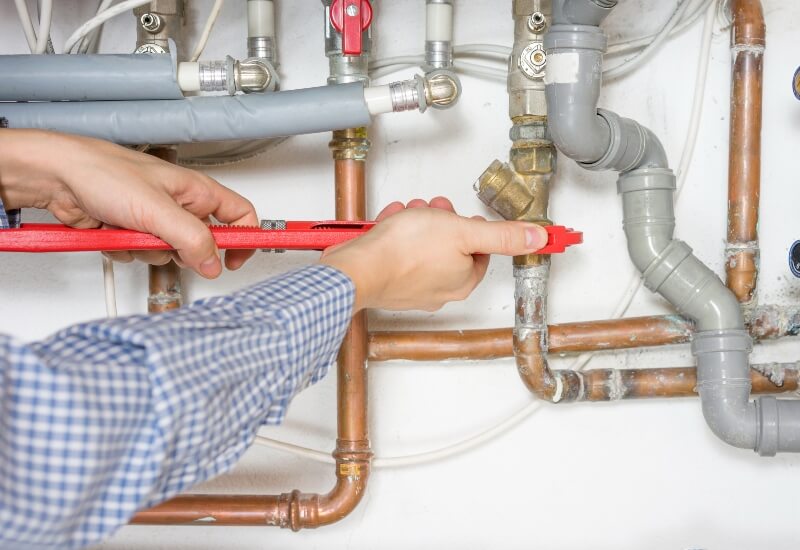
Smart dashboards play a pivotal role in optimizing valve performance and maintenance. By providing detailed analytics and predictive insights, they help schedule maintenance activities at the right time, reducing the risk of unexpected failures and prolonging equipment lifespan. For more on maintenance, see our article on pipe maintenance.
Components of a Smart Dashboard
Understanding the components of a smart dashboard for valves helps in appreciating its functionality. These components include:
Sensors and IoT Devices
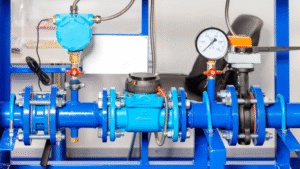
Sensors play a crucial role in collecting real-time data. They detect changes in pressure, temperature, and flow, sending this information to the dashboard for analysis.
Data Analytics Module
This module processes the raw data collected by the sensors, transforming it into valuable insights that are displayed on the dashboard.
User Interface
The user interface is designed for simplicity and ease of use, allowing operators to access critical information quickly and efficiently.
Applications of Smart Dashboards
The versatility of smart dashboards makes them beneficial across various industries, including:
Oil & Gas
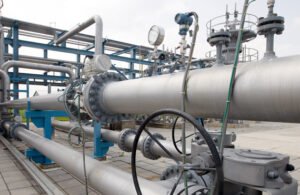
In the oil and gas industry, where operational reliability and safety are paramount, smart dashboards enhance monitoring and control, leading to better resource management and incident prevention.
Water Management
For water management systems, smart dashboards provide critical insights into flow rates and distribution, helping to conserve water and improve delivery efficiency. Learn more about smart valves in industry.
Manufacturing
Manufacturing industries benefit from enhanced process control and improved product quality, thanks to real-time monitoring and analytics provided by smart dashboards.
Challenges and Future Prospects
Despite their advantages, the adoption of smart dashboards is not without challenges. Issues such as cybersecurity, integration with legacy systems, and high initial costs need addressing. However, as technology advances, these hurdles are becoming easier to overcome.
Cybersecurity Concerns
Ensuring data security and protecting sensitive information from cyber threats is crucial in the deployment of smart dashboards.
Integration with Legacy Systems
Making smart dashboards compatible with older systems requires careful planning and execution, but it is critical for effective implementation.
Cost Considerations
While initial costs may be high, the long-term efficiency gains and cost savings make smart dashboards a worthwhile investment.
Conclusion
The smart dashboard for valves represents a major stride forward in industrial automation and efficiency. As industries continue to embrace digital transformation, these tools will be central to operations, offering unparalleled insights and control. By adopting smart dashboards, companies are not only streamlining their processes but also paving the way for a sustainable future.
FAQs
How do smart dashboards improve operational efficiency?
Smart dashboards provide real-time data and analytics that help in predictive maintenance and decision-making, thereby improving overall operational efficiency.
Are smart dashboards cost-effective?
While the initial investment may be high, the operational efficiencies and cost savings they bring make smart dashboards a cost-effective solution in the long run.
Can smart dashboards be integrated into existing systems?
Yes, with careful planning and execution, smart dashboards can be integrated into existing systems, enhancing their capabilities without requiring extensive modifications.
This article contains affiliate links. We may earn a commission at no extra cost to you.