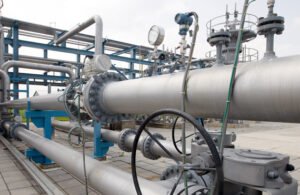
In today’s rapidly evolving industrial landscape, smart valve monitoring plays a critical role in ensuring efficiency, safety, and reliability. With the integration of advanced technologies, industries can now monitor and control their valves more effectively. This technology not only enhances operational efficiency but also helps in reducing maintenance costs and preventing unexpected failures.

What is Smart Valve Monitoring?
Smart valve monitoring refers to the use of advanced sensors and data analytics to monitor the performance and condition of valves in real-time. These systems leverage the power of the Internet of Things (IoT) to gather data, providing actionable insights to operators. The ability to predict potential issues before they occur significantly improves the safety and efficiency of industrial operations.
The Benefits of Smart Valve Monitoring
Enhanced Operational Efficiency
By implementing smart valve monitoring, industries can achieve remarkable improvements in operational efficiency. Real-time data allows for immediate adjustments, ensuring that systems are operating at peak performance.
Cost Reduction and Maintenance Savings
Proactive monitoring enables early detection of wear and potential failures, reducing downtime and maintenance costs. This approach allows industries to adopt a more sustainable maintenance strategy.
Improved Safety Standards
With precise monitoring, the risk of dangerous valve malfunctions is minimized. Safety protocols can be enhanced with automated alerts that warn operators of potential safety hazards before they escalate.
How Smart Valve Monitoring Works
The core of smart valve monitoring systems lies in the integration of sensors and IoT technology. These sensors collect data on variables such as pressure, temperature, and flow rate. This data is then transmitted to a centralized system for analysis, enabling informed decision-making and predictive maintenance.
Sensor Technology in Valves
Sensors play a pivotal role in collecting the necessary data for analysis. Various sensor types, such as pressure sensors and flow meters, are deployed to gather real-time information about the valve’s performance.
Role of IoT in Smart Valve Monitoring
The Internet of Things (IoT) connects valve systems with centralized control frameworks. Through IoT, data from different valves can be integrated and analyzed, providing a comprehensive view of entire systems.
Applications of Smart Valve Monitoring
Oil and Gas Industry
In the oil and gas sector, smart valve monitoring is vital for ensuring the integrity of pipelines and flow equipment. By implementing these systems, companies can avoid costly leaks and improve regulatory compliance.
Water Treatment Facilities
Water treatment facilities benefit from smart valve monitoring by improving the precision of water distribution and reducing wastage. Through accurate data monitoring, operators can ensure optimal water quality and availability.
Manufacturing and Production Plants
In manufacturing, these systems allow for the seamless integration of production lines, reducing bottlenecks and ensuring product quality remains consistent.
Challenges and Future of Smart Valve Monitoring
While smart valve monitoring offers significant advantages, challenges remain regarding the standardization and integration of diverse systems. However, as technology continues to evolve, these hurdles are expected to diminish, paving the way for more widespread adoption.
Looking ahead, the future of smart valve monitoring holds promise with advancements in artificial intelligence and machine learning, which will enhance predictive capabilities.
FAQs
How does smart valve monitoring improve safety?
Smart valve monitoring enhances safety by providing real-time data, which helps in identifying potential failures before they occur. This allows for timely interventions that prevent accidents.
Can smart valve monitoring reduce costs?
Yes, by enabling predictive maintenance and early fault detection, smart valve monitoring reduces maintenance costs and minimizes unplanned downtime.
What industries benefit from smart valve monitoring?
Industries such as oil and gas, water treatment, and manufacturing benefit significantly from smart valve monitoring by improving efficiency, safety, and cost-effectiveness.

Conclusion
Smart valve monitoring represents a transformative step in industrial management, offering unparalleled insight and control over valve systems. As technology advances, its adoption will likely become standard across industries, driving innovation and ensuring safety and efficiency.
This article contains affiliate links. We may earn a commission at no extra cost to you.