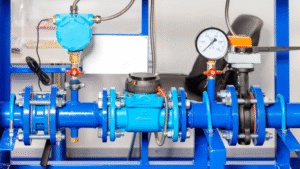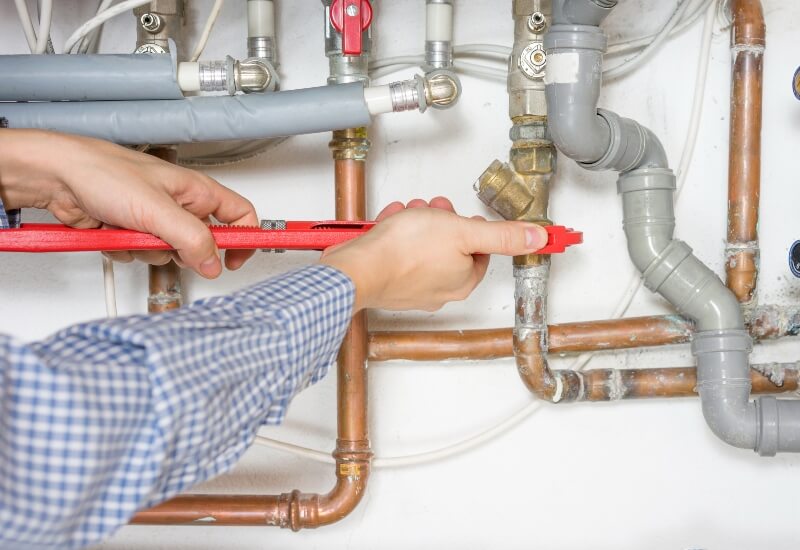

Imagine a world where every drop of water is accounted for, where leaks are detected before they become a catastrophe. A smart water leak sensor can make this a reality. Industrial engineers and homeowners alike can benefit from understanding how this marvellous technology functions. It goes beyond awareness to take proactive steps in water management, protecting valuable assets from water damage.
Smart water leak sensors are revolutionary, especially for those who need to manage water resources efficiently. Linking this to industrial engineering practices shows how technology integration in water management is no longer just an option but a necessity.

What is a Smart Water Leak Sensor?
A smart water leak sensor is a device that detects leaks and sends alerts to users. These sensors use various technologies such as ultrasonic, infrared, and conductivity sensors to identify the presence of unwanted water. Accorded with IoT capabilities, these systems send notifications through apps, emails, or SMS when they sense a water leak. This rapid response can help prevent costly damages.
How Does a Smart Water Leak Sensor Work?
These impressive devices often connect to a smart valve and operate by sensing abnormal levels of water or moisture. Using Wi-Fi and other connectivity options, they constantly monitor and relay data to centralized systems or directly to users’ smartphones. This ensures timely interventions, making your water management system more efficient.
Features of Smart Water Leak Sensors
Smart water leak sensors come with distinct features making them indispensable:
- Real-time Alerts: Instant notifications provide a head-start in addressing potential leaks.
- Easy-to-Install: Most models feature straightforward installation processes, usable by both industrial and home users.
- IoT Integration: Connects seamlessly with other devices for a well-rounded home or industrial automation system.
- Battery Operated: Many sensors use batteries, ensuring constant operation during power outages.
Why Industrial Engineers Should Be Interested
For industrial engineers, integrating a smart water leak sensor into existing systems improves overall efficiency and sustainability. Water conservation becomes a reality when you can swiftly respond to leaks. Pipe leaks result in loss of materials and operational downtime. Hence, engineering systems that prevent them should be a top priority.
Preventing Damage with Smart Sensors
The role of smart water leak sensors extends beyond detection. In industrial and residential spaces, they provide analytics that anticipates and prevents future leaks. With functionalities for shutting off water automatically upon leak detection, costly damages can be avoided.
Case Study: Industrial Application of Smart Leak Sensors
In a manufacturing plant, the use of these sensors contributed to a 45% reduction in water-related operational incidents over a year. Real-time data transmission facilitated immediate corrective actions, thus saving costs on major repairs.
Cost Efficiency and Savings
Smart water leak sensors can quickly pay for themselves. By avoiding expensive fixes and conserving water, significant savings are realized. An average household saves hundreds of dollars annually, while for industries, the savings are exponentially greater.
Long-Term Benefits
The longevity of plumbing systems is significantly enhanced with these sensors. They help maintain the integrity of water lines, extending their usable life by identifying weaknesses and leaks early.
Environmental Impact
Water conservation is crucial in today’s world, and every drop counts. Utilizing smart water leak sensors contributes to global water-saving efforts. Technologies that reduce wastage are indispensable in tackling environmental challenges.
Reducing Carbon Footprint
By minimizing water wastage, there is less need for water treatment processes, which reduces the carbon footprint associated with water management. Smart sensors offer actionable insights into usage patterns, encouraging better practices.
Choosing the Right Smart Water Leak Sensor
When selecting a sensor, consider factors like sensitivity, connectivity compatibility, and the reporting mechanisms used. Look for models that integrate well with smart valves for enhanced control, ensuring they fit the desired environmentbe it residential or industrial.
Installation and Maintenance Tips
Position your sensor in high-risk areas such as beneath sinks, near water heaters, or along pipelines. Regular battery checks and software updates ensure peak performance.
DIY vs. Professional Installation
While many prefer DIY installation, having a professional ensures optimal placement and performance. A trained eye can identify the most strategic spots for sensor placement.
Future of Smart Water Leak Sensors
As technology advances, we expect sensors with even greater accuracy and integration. From AI to machine learning, future developments promise to make leak detection more sophisticated and autonomous.
Conclusion
Whether for safeguarding your home or optimizing industrial processes, a smart water leak sensor is an invaluable tool. It signifies the fusion of technology with everyday utilities, providing a sustainable solution to water management.
FAQ
1. How do smart water leak sensors communicate with users?
They utilize IoT technology to send alerts via apps, emails, or SMS immediately after detecting leaks.
2. Can these sensors be integrated with home automation systems?
Yes, most smart water leak sensors can be part of broader home or industrial automation setups.
3. What is the average cost-saving with a smart water leak sensor?
While savings vary, households can save hundreds annually, and industries much more by averting potential water-related damages.
This article contains affiliate links. We may earn a commission at no extra cost to you.