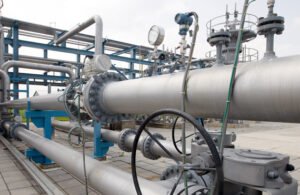
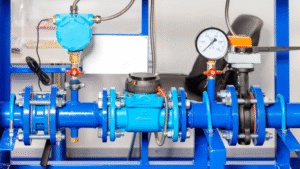
Industrial pressure valves are essential components in various engineering applications. These devices play a critical role in regulating and controlling the flow of fluids or gases under pressure. Understanding their function, types, and maintenance is crucial for every industrial engineer aiming for efficient systems management.
What is an Industrial Pressure Valve?
An industrial pressure valve is a mechanism designed to control the pressure and flow within a pipeline, ensuring safety and efficiency in industrial operations. It is pivotal in applications such as chemical manufacturing, oil refineries, and gas processing units.
Types of Industrial Pressure Valves
Gate Valves
Gate valves are used to start or stop the flow. Understanding their operation is essential for tasks involving the isolation of specific sections of a pipeline.
Ball Valves
Known for their durability and reliability, ball valves provide excellent shutoff capabilities. They are ideal for use in the harshest conditions.Top Brands
Check Valves
Check valves are vital in preventing backflow, protecting pumps in liquid systems and compressors in gas systems from damage.
Smart Valves
The integration of smart technology in valves allows for remote control and monitoring, enhancing efficiency in industrial settings. Discover more on smart valves.
Why Pressure Valves are Important?
Pressure valves ensure operational safety by maintaining optimal pressure levels, preventing accidents and downtimes. This is particularly critical in high-stakes environments such as petroleum refineries and chemical plants.
Maintenance and Troubleshooting
Regular Inspections
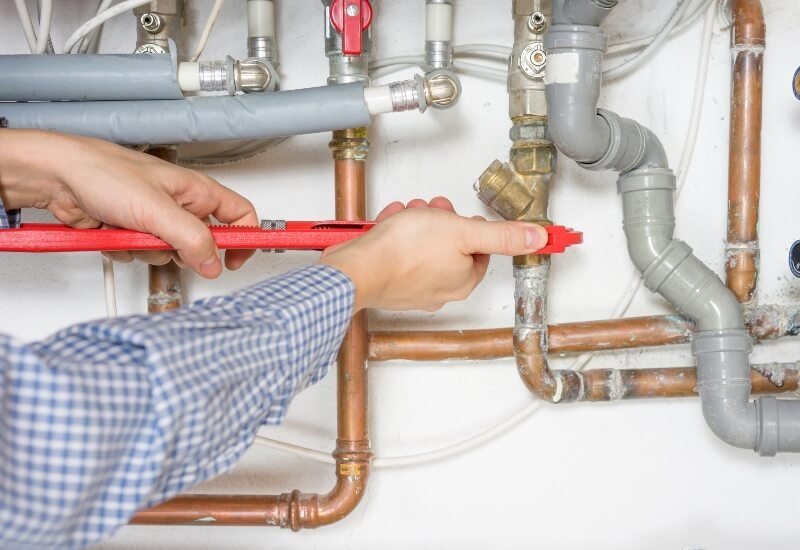
Regularly inspect valves for signs of wear and tear to avoid potential leaks and failures. Learn more about the importance of maintenance.
Troubleshooting Common Issues
Addressing common issues, such as leaks or unexpected pressure fluctuations, can prevent significant operational disruptions.
The Role of Technology in Pressure Valves
Advanced technologies have enabled the development of smart valves that provide real-time data and remote control functionalities, offering improved operational efficiency and safety. Explore further on automatic shut-off valves.
Future of Industrial Pressure Valves
The future promises further innovations with enhanced materials and designs aimed at increasing durability and eco-friendliness in valve systems.
Conclusion
The industrial landscape is evolving, and the importance of high-performing industrial pressure valves cannot be overstated. For engineers, staying informed about these vital components is key to aligning with advancements and maintaining optimal industrial operations.

FAQs
What materials are pressure valves made from?
Common materials include stainless steel, brass, and plastics, chosen based on the specific application and environment.
How often should pressure valves be inspected?
Inspection frequency can vary by usage and environment, but regular maintenance checks are recommended to ensure optimal function.
What are the signs of a failing pressure valve?
Signs include leaks, unusual noises, or inconsistent pressure readings, indicating a need for immediate inspection.
This article contains affiliate links. We may earn a commission at no extra cost to you.