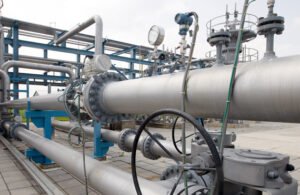
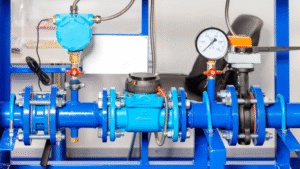
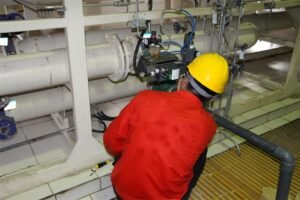
In the modern industrial landscape, maintaining the health of industrial valves is not just essentialits critical. The concept of industrial valve health monitoring has become a cornerstone in ensuring system efficiency and safety. With the advancement in technology, the ways we monitor and maintain these vital components have evolved significantly over the years.
At the forefront of this evolution is the utilization of smart technologies and Internet of Things (IoT) solutions. As an industrial engineer, understanding these technologies and implementing predictive maintenance strategies is imperative for optimizing operational processes and reducing downtime.
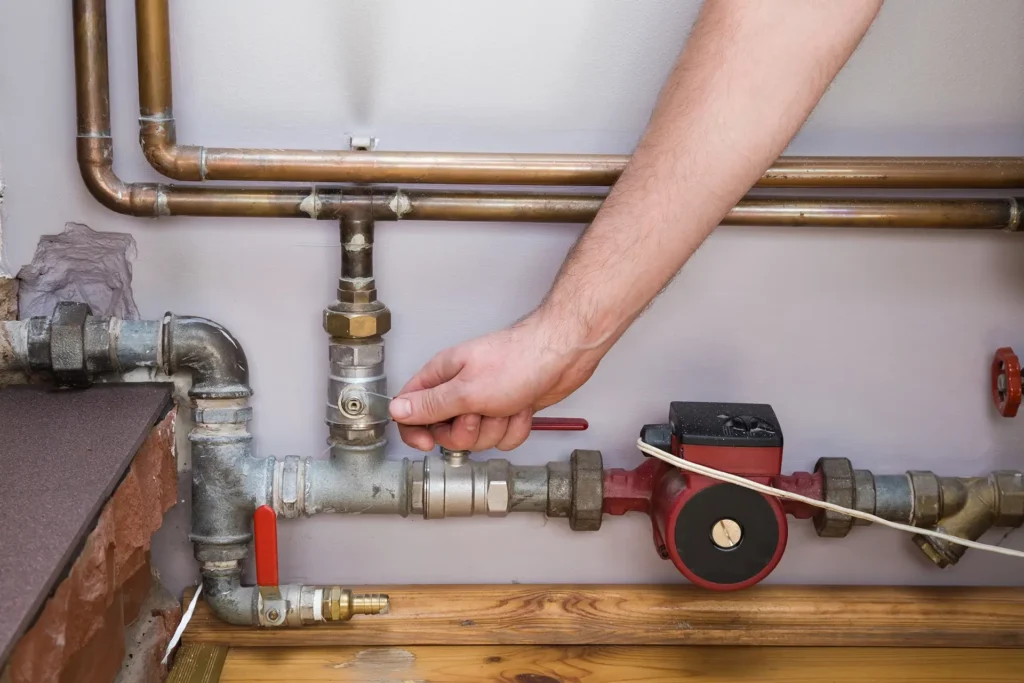
Understanding the Role of Valves in Industries
Valves serve as critical components in various industries, including petrochemical, water treatment, and manufacturing. They regulate, direct, and control the flow of fluids, gases, and other materials, making their optimal functioning indispensable.
The Need for Health Monitoring
Continuous monitoring of valve health ensures timely interventions and prevents catastrophic failures. Such practices save time, reduce costs, and enhance safety across industrial settings. Potential issues are identified and addressed before evolving into significant problems.
Techniques for Monitoring Valve Health
- Condition Monitoring: This involves regular checks to determine the operational status of valves using various sensory technologies.
- Predictive Maintenance: Leveraging data analytics and IoT technologies to forecast potential breakdowns and schedule maintenance accordingly.
Condition monitoring techniques often employ sensors that measure pressure, temperature, and flow rates, while predictive maintenance is heavily reliant on data analytics and trends. For more insights into how smart valves revolutionize plumbing, pipe maintenance is also paramount.
Internet of Things (IoT) and Industrial Valves
The integration of IoT with industrial valves allows for real-time data acquisition and analysis, thus enabling predictive maintenance. IoT devices collect extensive data on valve performance, which can be analyzed to predict issues.
Advantages of Using IoT for Valve Health Monitoring
- Real-Time Monitoring: Provides immediate insights into valve conditions.
- Data-Driven Decisions: Facilitates precise maintenance scheduling.
- Improved Efficiency: Reduces downtime and maximizes operational efficiency.
Learn more about how these technologies transform control at Intuz.
Case Studies: Success Stories in Valve Health Monitoring
Examining real-world applications provides valuable insights. Many companies have successfully integrated valve health monitoring with IoT, realizing reduced maintenance costs and improved safety. The advantages drawn from these cases highlight an efficient and resilient operational framework.
Future Trends in Valve Health Monitoring
Looking ahead, the landscape of valve health monitoring promises to evolve even further. With advanced AI and machine learning algorithms, the accuracy and efficiency of monitoring systems are expected to enhance significantly.
Conclusion: Embracing the Future with Confidence
The future of industrial valve health monitoring is promising, with emerging technologies leading the charge. By embracing these advancements, industries can ensure greater safety standards, maximize efficiency, and reduce costs over time.
Frequently Asked Questions (FAQs)
What is the role of valves in industry?
Valves control and regulate the flow of materials, ensuring smooth and safe operations across industrial processes.
Why is health monitoring crucial for valves?
Monitoring helps preempt failures, reduce downtime, and maintain efficient operations.
How does IoT transform valve monitoring?
IoT facilitates real-time data analysis leading to predictive maintenance efficiencies.
This article contains affiliate links. We may earn a commission at no extra cost to you.