
In the fast-evolving landscape of industrial operations, a focus on efficiency and automation is essential. One of the technologies spearheading this transformation is the valve sensor system for industry. This technology is not just a trend; its a game-changer, shifting how industries approach operational efficiency and control. Understanding its nuances and benefits can help industrial engineers and decision-makers harness its full potential.

The Importance of Valve Sensors in Industrial Operations
Valve sensors play a crucial role in ensuring that industrial systems operate smoothly. These sensors are integral in monitoring and controlling the flow of materials, which is vital for maintaining operational efficiency. By providing real-time data, valve sensors allow industries to adapt quickly to changes in demand or supply, reducing downtime and improving productivity.
Key Components of a Valve Sensor System
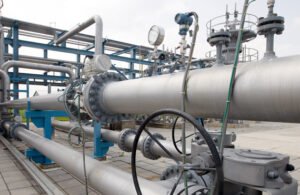
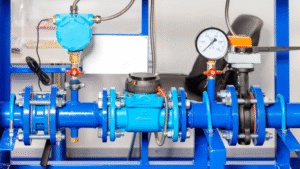
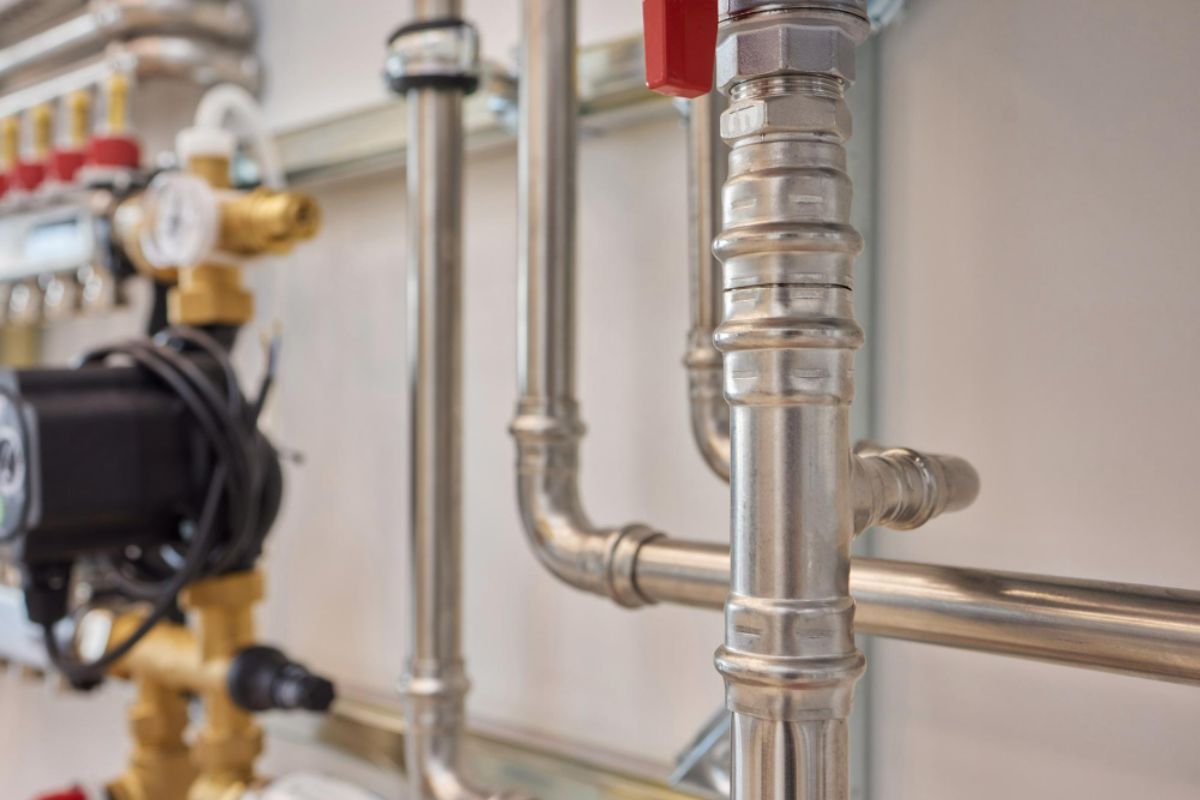
Understanding the components of a valve sensor system is essential for its integration and operation. Primarily, these systems consist of sensors, actuators, control units, and communication systems. Each component plays a key role in ensuring accurate monitoring and regulation of industrial processes.
Types of Sensors Used in Valve Systems
There are various sensors involved in these systems, including pressure sensors, flow sensors, and temperature sensors. Each type is designed to monitor specific parameters, ensuring that the system functions optimally under varying conditions.
Role of Actuators
Actuators are pivotal in translating the electronic signals from sensors into physical movement, allowing for precise control of the valve position. This enhances the ability to automate processes and achieve higher accuracy in operations.
Control Units and Communication Systems
Control units are crucial for processing data from sensors and directing actuators. Modern systems often incorporate advanced communication technologies like Wi-Fi and Bluetooth to enable remote monitoring and control, which is vital for industrial settings.
Advantages of Implementing Valve Sensor Systems
Industrial operations benefit from valve sensor systems in numerous ways. These systems help in reducing waste, improving accuracy, and lowering operational costs. Automation facilitated by these sensors also leads to improved safety by reducing manual interventions.
Improved Operational Efficiency
By utilizing real-time data, industries can enhance their processes and reduce inefficiencies. This real-time approach minimizes the chances of errors and enhances the overall efficiency of the operation.
Enhanced Safety Measures
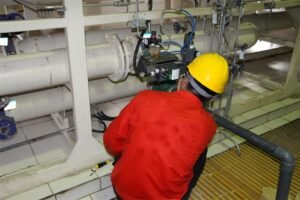
Safety is paramount in industrial settings, and valve sensor systems significantly contribute to safeguarding operations. By monitoring and controlling critical parameters, these systems help prevent accidents and ensure a safer working environment.
Challenges in Implementing Valve Sensor Systems
Despite the benefits, there are challenges in integrating valve sensor systems. These include costs, technical complexity, and the need for skilled personnel to manage and maintain the systems.
Cost Implications
The initial investment in technology can be high; however, it provides returns in terms of efficiency and reduced operational costs. Companies need to weigh the long-term benefits against the upfront costs.
Technical Challenges
The technical intricacies involved in integrating different components can be daunting. Thus, having a skilled workforce and investing in training are critical to overcoming these challenges.
Future Trends in Valve Sensor Systems
The future of valve sensor systems is promising, with trends leaning towards enhanced connectivity and the use of artificial intelligence. These developments are expected to further increase the efficiency and capabilities of industrial operations.
Smart Valve Technology
Smart valves that integrate with IoT platforms are increasing in popularity. They offer enhanced data analysis capabilities, further improving operational efficiencies and predictive maintenance approaches. For more insights on smart valves, visit this comprehensive [article](https://www.intuz.com/blog/smart-valves-in-industrial-settings) on their impact in industrial settings. External link – nofollow
Integration with AI
Artificial intelligence plays an increasingly pivotal role in refining operations. With AI, valve sensor systems can predict potential failures and optimize operations on-the-fly, ushering in a new era of industrial efficiency.
Conclusion
The integration of valve sensor systems in industry represents a significant step forward in the pursuit of enhanced efficiency and safety. These systems not only optimize processes but also provide valuable data that can help in decision-making and strategic planning. For industrial engineers, understanding and leveraging these technologies is essential in maintaining a competitive edge. To delve deeper into innovations in smart valve systems, you can explore this insightful piece about [smart valves innovations](https://valvex.ai/how-smart-valves-are-revolutionizing-home-and-industrial-plumbing/) and discover how they’re transforming industries. Internal link – dofollow
FAQs
What are the primary components of a valve sensor system?
The primary components include sensors, actuators, control units, and communication systems, each playing a significant role in the system’s functionality.
How do valve sensor systems improve safety?
They monitor and control critical parameters in real-time, reducing the potential for accidents and ensuring a safer work environment.
What future developments are expected in valve sensor systems?
Trends suggest increased integration with IoT and AI technologies, improving connectivity and data analysis capabilities for enhanced industrial efficiency.
This article contains affiliate links. We may earn a commission at no extra cost to you.