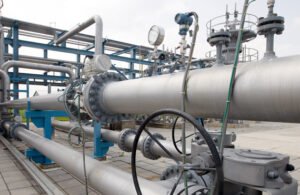
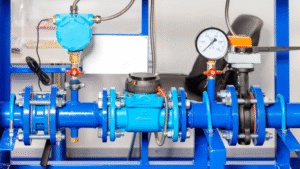
The evolution of technology in the industrial sector is nothing short of remarkable. Among the technological advances, the smart valve for chemical plants stands out for its significant impact. These smart valves are integral to improving efficiency, safety, and productivity in the complex environment of chemical processing.
The smart valve not only promises a streamlined workflow but also assists in minimizing risks associated with chemical handling. In this article, we will delve into how these valves are changing the landscape in chemical plants, all while maintaining a focus on safety and reliability. In this article, we will delve into how these valves are changing the landscape in chemical plants, all while maintaining a focus on safety and reliability.
Understanding Smart Valves
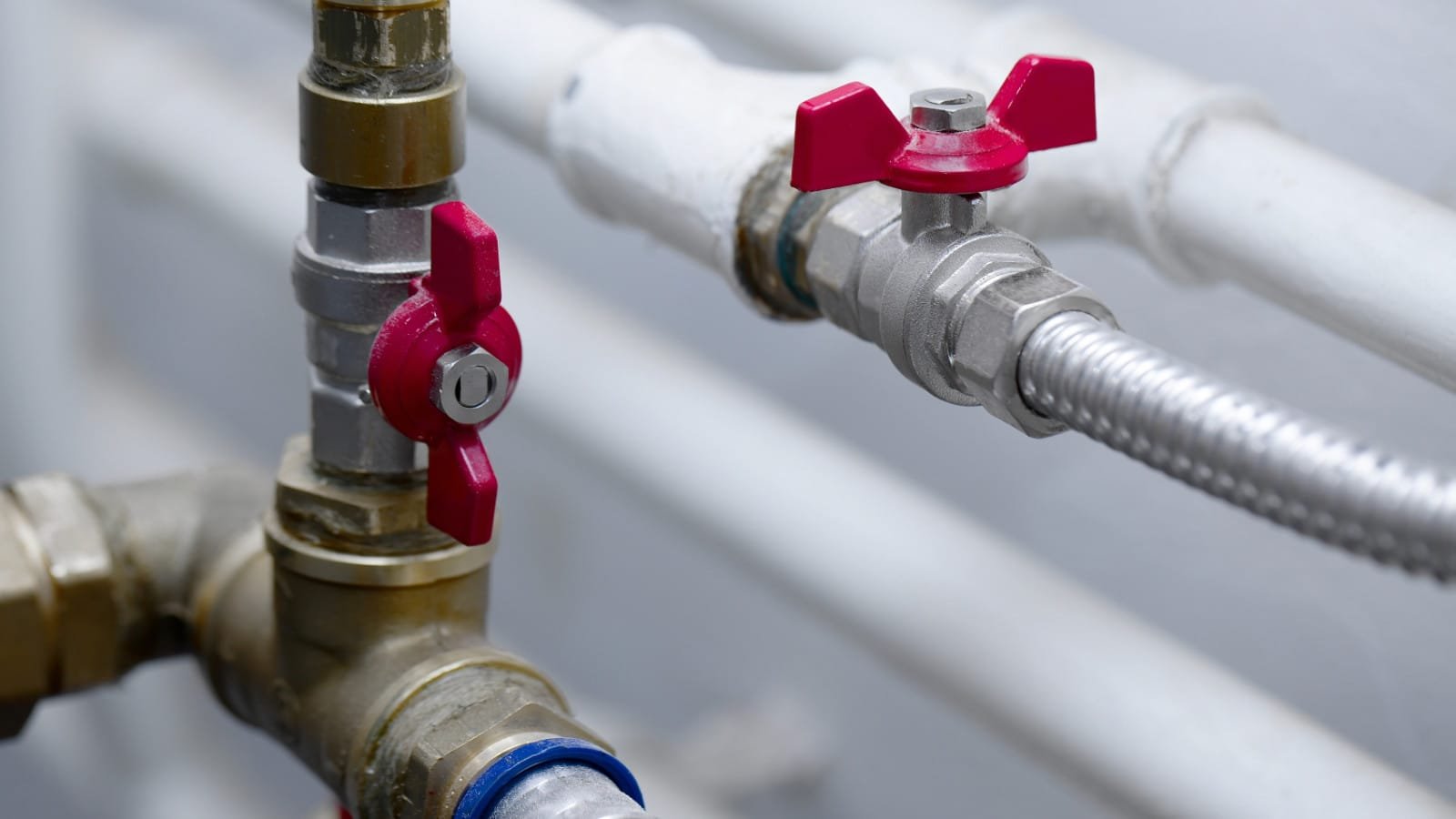
So, what exactly is a smart valve? Essentially, it is an advanced valve that incorporates sensors and communication technology to control and regulate flow and pressure with precision. These high-tech components allow for real-time monitoring and adjustments, which are vital in the fast-paced environment of chemical plants.
For more insights on how smart valves function, you can refer to detailed discussions on their operation.
Applications in Chemical Plants
The primary application of a smart valve for chemical plants is to manage the processes where fluid control is critical. They are utilized in several units, ensuring precise flow rates. The application of smart valves is not just limited to the chemical industry; they are revolutionizing plumbing systems worldwide. Their advanced capabilities provide enormous benefits in plumbing, streamlining the systems while preventing mishaps.
Improving Operational Efficiency
By implementing smart valves, chemical plants can significantly enhance operational efficiency. These valves provide detailed analytics, allowing operators to make informed decisions quickly. This level of automation not only saves time but also reduces human error, making operations smoother and more efficient.
Safety Enhancements
Safety is paramount in chemical plants. The incorporation of smart valves introduces enhanced safety protocols due to their ability to detect and respond to anomalies instantly. This unique function minimizes the risk of leaks and accidents, protecting not just the workforce but the environment as well. For more on how smart systems prevent disasters, you can explore further insights on safety protocols.
Technological Integration
The modern-day smart valve is an epitome of technological integration. Equipped with IoT capabilities, they offer remote monitoring and control, thus adding a layer of convenience. Such integration is transformative, aligning with the broader trend towards automation in industrial operations.
Interested to learn how IoT is reshaping industries? The article on digital transformation offers a comprehensive overview.
Cost Efficiency
Though the initial investment in smart valves is higher compared to traditional valves, the long-term savings they offer are substantial. By reducing downtime and maintenance costs, they prove to be a cost-effective choice for chemical plants. This aspect of reducing operational costs makes them an attractive option for many industries aiming to optimize their budgets.
Environmental Benefits
Finally, the environmental impact of smart valves couldn’t be overlooked. With their precise control capabilities, they minimize waste, contributing to a more sustainable production process. This align with global efforts towards reducing industrial footprints.
Conclusion
The smart valve for chemical plants is indeed a technological marvel that enhances efficiency, safety, and cost-saving in various industrial processes. By integrating smart valves, plants not only improve their operational capabilities but also contribute positively towards a sustainable future.
FAQs
What distinguishes smart valves from traditional valves?
Smart valves use advanced technologies such as sensors and IoT integration to manage and control flow processes with precision, unlike traditional valves that require manual control.
Are smart valves cost-effective in the long run?
Yes, despite higher initial costs, smart valves result in significant savings by reducing maintenance, preventing leaks, and improving operational efficiency.
How do smart valves enhance safety in chemical plants?
They enhance safety by providing real-time monitoring and prompt responses to anomalies, thus minimizing risks of accidents and leaks in chemical plants.
This article contains affiliate links. We may earn a commission at no extra cost to you.