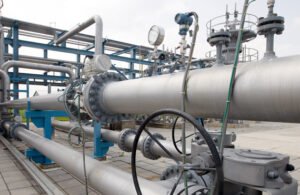
The industrial smart valve is a game-changer in the world of automation, offering unprecedented control and efficiency. As industries strive for more efficient processes, the demand for reliable and accurate flow control systems increases.
The smart valve technologies are paving the way for such advancements by enhancing operational flexibility and reducing the chances of maintenance issues.

1. What is an Industrial Smart Valve?
An industrial smart valve integrates sensors and actuators for precise and adaptive flow control. Unlike traditional valves, smart valves can communicate with control systems, providing valuable data to optimize industrial operations.
2. How Do Smart Valves Work?
Smart valves work by utilizing sensors to monitor various fluid dynamics parameters like pressure and flow. The collected data is processed to adjust the valve’s position accordingly, ensuring optimal performance.
3. Benefits of Using Smart Valves in Industry
Smart valves offer numerous benefits, such as:
- Efficiency and Accuracy: Ensuring precision control.
- Cost Reduction: Reducing energy consumption and maintenance costs.
- Data Sharing: Improved decision-making through data analytics.
4. Applications of Industrial Smart Valves
4.1 Oil and Gas Industry
In the oil and gas sector, smart valves help manage high-pressure and high-temperature systems efficiently, ensuring safety and minimizing risks.
4.2 Water Management
Smart valves play a crucial role in water management systems by precisely regulating water distribution, enhancing sustainability efforts.
5. How Smart Valves Improve Safety
Safety is a primary concern, and smart valves contribute by providing real-time data to predict system failures, thus preventing accidents.
6. Smart Valves and Industrial IoT
With the rise of Industrial IoT, smart valves have become integral to connected systems, leading to better predictive maintenance and operational efficiency.
7. The Future of Industrial Smart Valves
The future of smart valves looks promising, with continuous advancements likely to enhance their functionality and integration into more extensive IoT ecosystems.
8. Challenges Facing Smart Valve Implementation
Despite their advantages, challenges such as high initial costs and the need for skilled personnel in installation and maintenance remain significant hurdles.
9. Choosing the Right Smart Valve
Choosing the right smart valve involves evaluating the specific requirements of an application, considering factors like flow capacity and material compatibility.
Interested in learning about top valve brands before making a choice?
10. Regular Maintenance of Smart Valves
Routine maintenance is crucial for ensuring the longevity and reliability of smart valves, involving periodic inspections and updates.
Read more about maintenance essentials for efficient operations.
11. Environmental Impact of Smart Valves
Smart valves contribute to reducing waste and energy consumption, aligning with global efforts towards sustainability and environmental conservation.
12. Real-World Case Studies
Several industries have successfully integrated smart valve technologies, witnessing significant improvements in efficiency and cost-effectiveness.
13. Comparing Traditional and Smart Valves
While traditional valves offer simplicity, smart valves provide advanced capabilities like remote monitoring and control, which can lead to better management and optimization.
14. The Technological Evolution of Valves
The transition from manual to smart systems marks a significant milestone, providing new opportunities for efficiency and innovation.

15. Frequently Asked Questions (FAQs)
15.1 What makes a valve ‘smart’?
A valve is considered ‘smart’ when it incorporates technology for self-regulation, data collection, and remote communication with other systems.
15.2 How can smart valves save money?
Smart valves reduce maintenance costs, energy consumption, and operational downtime, leading to substantial savings over time.
15.3 Are there any industries that shouldn’t use smart valves?
Most industries can benefit from smart valves, although sectors with limited technological infrastructure might face challenges in implementation.
Explore more about how valves are transforming sectors.
This article contains affiliate links. We may earn a commission at no extra cost to you.