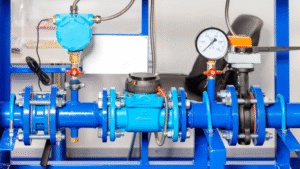
Today, the concept of a home automation water valve is gaining traction, especially among Industrial Engineers and tech-savvy homeowners. These innovative devices are transforming the way we manage water flow in our homes, providing both convenience and peace of mind. With the integration of smart water valves, homeowners can now control their water systems remotely, optimizing efficiency and preventing potential water damage.
Home automation represents the future of home management, wherein smart water valves play a crucial role. These devices detect leaks, shut off the water supply automatically, and can even be programmed to operate based on daily routines.
What is a Home Automation Water Valve?
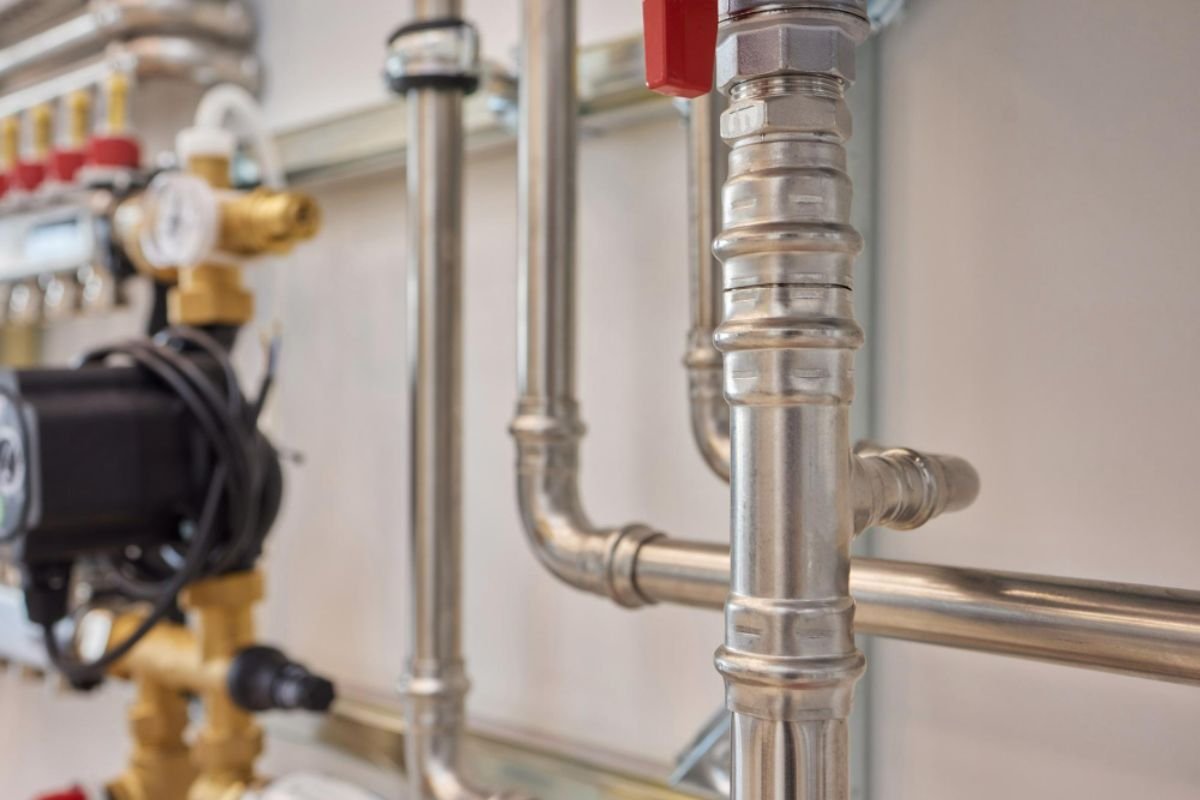
A home automation water valve is a device designed to automatically manage water flow in residential and commercial settings. It integrates automation technology to monitor, control, and optimize water usage. These devices are part of the broader category of smart home devices that use sensors and internet connectivity to function.
Key Features of Smart Water Valves
Remote Access and Control
One of the primary advantages of a home automation water valve is its ability to be controlled remotely via smartphone apps. This feature provides users with the ability to shut off or turn on the water supply from anywhere in the world.
Leak Detection
These devices often come equipped with advanced sensors that detect leaks in real-time, significantly reducing the risk of water damage. When a leak is detected, the system alerts the homeowner and automatically shuts off the water supply.
Integration with Smart Home Systems
A home automation water valve can easily integrate with existing smart home systems, allowing for centralized control. This seamless integration ensures that all devices communicate effectively for optimal performance.
Benefits of Using Home Automation Water Valves
Enhanced Convenience
With the integration of home automation water valves, everyday tasks such as watering the garden or filling up pools can be automated. This feature allows for a more leisurely lifestyle.
Preventing Water Damage
By automatically detecting leaks, these valves significantly reduce the risk of flooding and water damage in homes. This capability not only protects property but also saves money on repairs.
Environmental Conservation
Automating water systems ensures efficient use of this valuable resource. With smart technology, users are encouraged to adopt water-saving practices.
Real-World Applications
Residential Use
In homes, smart water valves are often employed in kitchens, bathrooms, and outdoor areas. They provide a user-friendly way to manage water usage, ensuring efficient operation and minimal wastage.
Commercial and Industrial Use
Industrial Engineers and commercial property managers also employ these valves to optimize operations. For example, in manufacturing environments, these devices can regulate water flow to machinery, enhancing efficiency. For a detailed understanding of how smart valves impact industrial settings, explore more through industry insights.
Choosing the Right Home Automation Water Valve
Consider Your Specific Needs
Before installing a home automation water valve, it’s important to assess your specific needs and water usage patterns. Consider factors such as the size of your property, the number of water outlets, and potential points of leakage.
Research Quality Brands
Opt for reputable brands known for reliability and service. Understanding the plethora of brands available can be overwhelming; for an insightful guide, check out smart valve brand comparisons.
Installation and Maintenance
Professional Installation
While some home automation water valves can be installed by DIY enthusiasts, it is best to hire professionals to ensure proper setup and function.
Regular Maintenance
To extend the longevity of your system, engage in regular pipe maintenance. For detailed maintenance tips, explore pipe maintenance strategies.
Challenges and Solutions
Technical Difficulties
Like all tech devices, home automation water valves may face technical challenges. Staying updated with software patches and system updates is crucial for smooth operation.
Understanding Smart System Integration
Understanding the intricacies of integrating these valves with existing smart systems can be challenging. Engaging professional support ensures seamless integration.
The Future of Smart Home Water Management
The future of water management lies in harnessing smart technology to create eco-friendly and efficient homes. Implementing a home automation water valve is a step towards a smarter future.
FAQs
How does a home automation water valve work?
A home automation water valve works by using sensors and internet connectivity to monitor and control water flow. It can detect leaks and shut off the water supply automatically.
Can these valves be integrated with existing smart home systems?
Yes, most home automation water valves can easily integrate with other smart home systems, allowing centralized control through a single app.
What are the benefits of using a home automation water valve?
The primary benefits include convenience, prevention of water damage, and environmental conservation through efficient water use.
This article contains affiliate links. We may earn a commission at no extra cost to you.