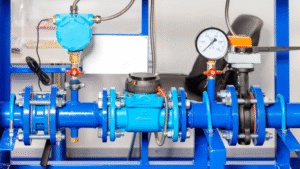
In any home, the kitchen water shutoff valve plays a critical role. This small but significant component ensures that homeowners can quickly stop the flow of water, preventing potential disasters that could lead to costly repairs. Knowing how to locate, operate, and maintain your home’s shutoff valves is essential for every homeowner and aligns with sustainable living and smart home innovations. In this article, we explore the various aspects of a kitchen water shutoff valve, offering insights on its importance and how to install and maintain it effectively.

Why the Kitchen Water Shutoff Valve is Essential
A kitchen water shutoff valve is crucial for several reasons. It provides an immediate means to stop the water supply in the event of a leak or when maintenance on the plumbing system is required. Not only does this help in protecting your kitchen from water damage, but it also becomes a cost-effective tool in managing emergencies, potentially saving thousands in repair costs.
Types of Shutoff Valves in Kitchens
- Ball Valves: These valves use a ball with a hole through its center to control the flow. They offer a firm seal, making them ideal for kitchen settings.
- Gate Valves: Controlled by a wheel, these valves are perfect for regulating water flow over time but are less ideal for immediate shut-off scenarios.
- Angle Stop Valves: Common under kitchen sinks, these are compact and easy to operate, ideal for tight spaces.
How to Locate the Kitchen Water Shutoff Valve
Finding the kitchen water shutoff valve is straightforward. Generally, it is located under the kitchen sink. It looks like a small wheel and is usually connected directly to the water supply pipes. Some homes may also have a main shutoff valve, located near the water meter or where the main water line enters the house.
Step-by-Step Guide to Installing a Kitchen Water Shutoff Valve
Installing a new valve or replacing an old one requires a few steps:
Materials Needed: New shutoff valve, adjustable wrench, plumbers tape, bucket to catch any dripping water.
Steps:
- Turn off the main water supply to prevent any accidents.
- Detach the old valve using an adjustable wrench. Be sure to have your bucket ready to collect any residual water spill.
- Wrap plumbers tape around the threads of the new valve to ensure a tight fit and prevent leakage.
- Install the new valve and secure it tightly with the wrench.
- Turn the main water supply back on and check for any leaks around the newly installed valve to ensure everything is sealed properly.
Doing it yourself can save on plumbing costs and provides a great learning opportunity for understanding how your homes plumbing system operates.
Maintaining Your Kitchen Water Shutoff Valve
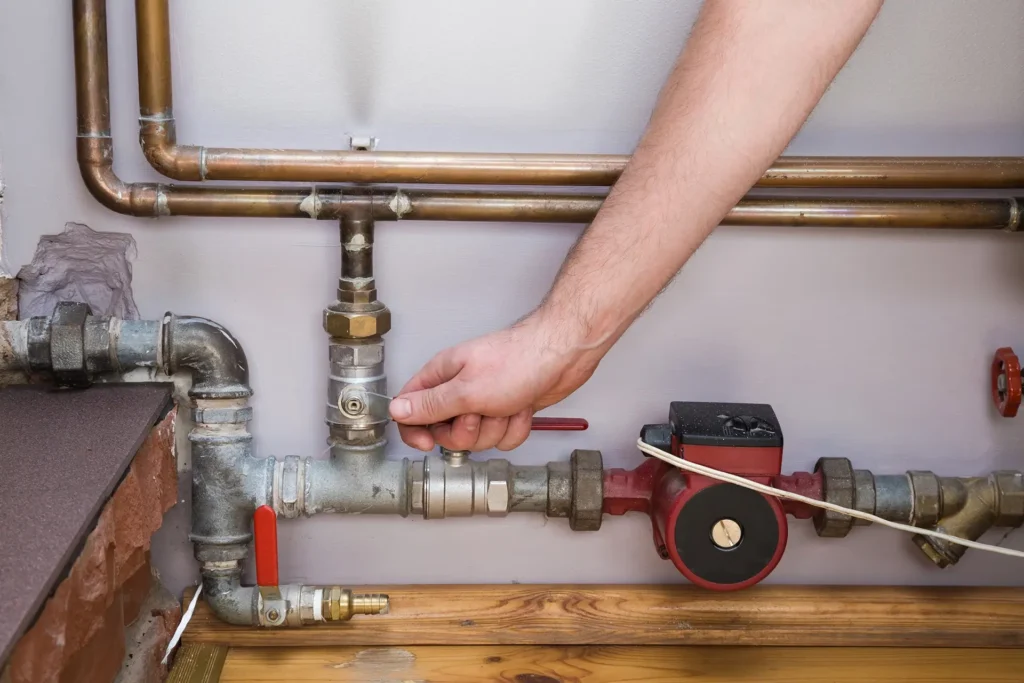
Maintenance of your kitchen water shutoff valve is crucial for its longevity and reliability. Regular checks for leaks and occasional operation ensure that the valve does not seize up over time.Regular maintenance is key to avoiding major plumbing disasters.
Common Issues with Shutoff Valves and Solutions
One common issue with shutoff valves is seizing up, where the valve fails to turn. Another is leaks, which can often be fixed by simply tightening the nut at the valves stem. For persistent issues, seeking expert advice or installing a smart valve system can be beneficial.
Innovations: Smart Water Shutoff Valves
Modern homes are now integrating smart technology into their plumbing systems. Smart water shutoff valves can detect leaks automatically and shut off water, providing a proactive approach to managing home plumbing.Smart valves are a step ahead in modernizing home and industrial plumbing solutions.
Conclusion
The kitchen water shutoff valve is a small but essential component in any home’s plumbing system. Knowing how to operate, locate, and maintain it not only ensures smooth functionality but also protects your home from potential water-related disasters. With advancements in technology, smart valves are now providing even greater protection and efficiency. Whether you decide to stick with the traditional model or explore modern alternatives, being informed is your best tool.
FAQ Section
- Where is the kitchen water shutoff valve usually located? Typically, it is found under the kitchen sink, near the water supply pipes.
- How often should I check my kitchen water shutoff valve? It is advisable to check your valve every six months to ensure it is functioning and not leaking.
- Can I install a smart shutoff valve myself? While basic valves are DIY-friendly, smart valves may require professional installation to ensure proper connectivity and operation.
This article contains affiliate links. We may earn a commission at no extra cost to you.