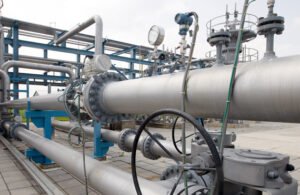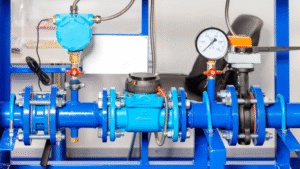

As technology continues to evolve at a rapid pace, the industrial sector is witnessing transformative changes. One of the most promising advancements is the advent of the AI integrated valve. These valves are not only reshaping traditional manufacturing processes but are also leading the charge toward smarter and more efficient industrial operations.
The adoption of AI integrated valves promises to revolutionize industries by facilitating improved process optimization and automation. This technology leverages artificial intelligence to enhance the functionality of conventional valves, turning them into intelligent components that can make decisions and adapt to changing conditions without human intervention.
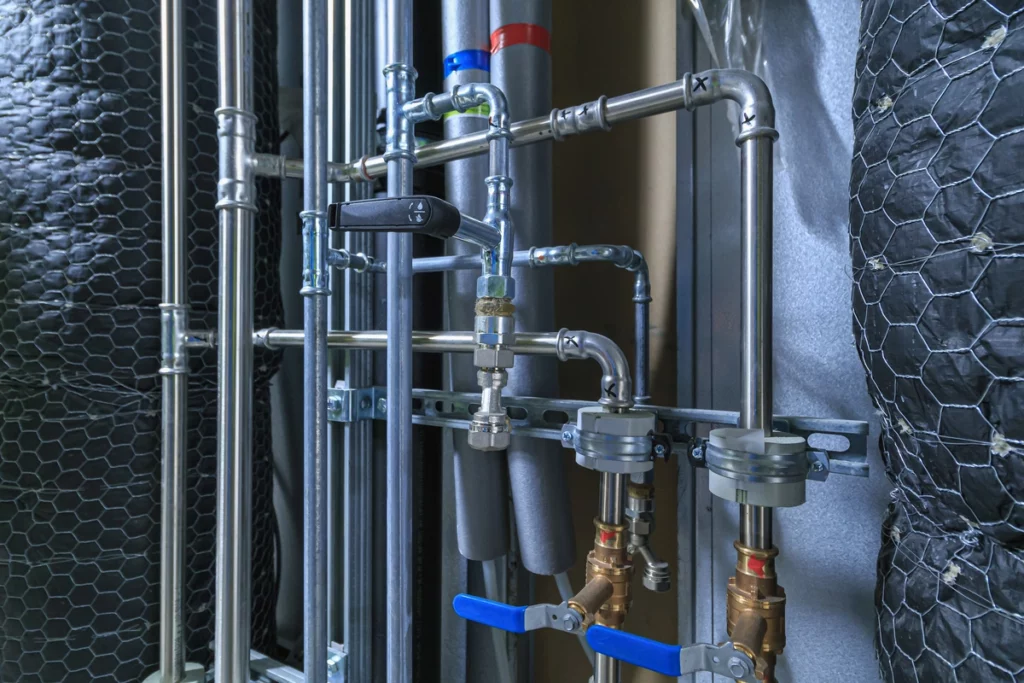
Understanding AI and Its Application
Artificial intelligence refers to computer systems that can perform tasks that usually require human intelligence. Such tasks include visual perception, decision-making, and language translation. The integration of AI into industrial components like valves marks a significant leap forward in how industrial processes are managed and executed.
Functionality of AI Integrated Valves
At its core, an AI integrated valve combines the traditional mechanical components of a valve with sophisticated AI software. This combination enables the valve to monitor operational conditions in real-time, analyze data, and make adjustments as necessary to maintain optimal performance.
Moreover, these intelligent valves can predict potential failures before they occur, ensuring minimal downtime and reducing maintenance costs. This proactive approach to maintenance is a game-changer for industries that rely heavily on operational efficiency.
Benefits of AI Integrated Valves
The benefits of adopting AI integrated valves are extensive. They include enhanced operational efficiency, reduced downtime, and minimized maintenance costs. Additionally, these valves contribute to more sustainable industrial practices by improving resource management and reducing waste.
Industries that have adopted AI integrated valves have witnessed significant reductions in energy consumption and operational costs, leading to higher profit margins and improved sustainability metrics.
Industry-Specific Applications
The potential applications of AI integrated valves span across various sectors. Here are some examples:
Oil and Gas Industry
In the oil and gas industry, safety and efficiency are of paramount importance. AI integrated valves ensure precise control over fluid flow, pressure adjustments, and temperature regulation, mitigating the risks of accidents and leaks. For more detailed insights about preventive maintenance, visit our resources.
Chemical Manufacturing
Chemical plants deal with complex reactions that require precise control. AI integrated valves help maintain balance within these systems by providing real-time data, which is critical for safety and efficiency. To learn more about the challenges of home system leaks and how smart valves can prevent disasters, refer to our release on pipe leak issues.
Water Management Systems
For water utilities, ensuring an uninterrupted supply and reducing wastage is crucial. AI integrated valves play an essential role by optimizing water flow and detecting anomalies in distribution networks. For further information about the impact of smart valves on both home and industrial plumbing, see our dedicated article on smart valve impacts.
Challenges in Adoption
Despite the numerous benefits, the adoption of AI integrated valves is not without challenges. One of the primary hurdles is the initial cost associated with upgrading existing systems. Additionally, industries must invest in training personnel to effectively manage and maintain these advanced components.
Nevertheless, as technology becomes more accessible and affordable, it is anticipated that the barriers to adoption will diminish, paving the way for widespread use of AI integrated valves.
Future Prospects
As industries continue to evolve, the role of AI in managing industrial processes will expand. The integration of AI into valves is just the beginning. Future advancements could see even greater enhancements in valve technology, potentially leading to fully autonomous industrial plants.
The evolution of AI integrated valves is intricately linked to the broader trend of Industry 4.0, where smart technology and industrial automation are imperative. To understand more about the strategic importance of smart valves in modern industry, consult this external source on industry trends.
Conclusion
The rise of AI integrated valves represents a significant step towards smarter and more efficient industrial operations. By harnessing the power of AI, industries can optimize processes, reduce costs, and improve sustainability.
Despite facing certain challenges, the future of AI integrated valves looks promising. As technology becomes increasingly ingrained in industrial processes, the potential for innovation and efficiency is limitless.
FAQ Section
1. What are AI integrated valves?
AI integrated valves are advanced valves equipped with artificial intelligence to enhance operational efficiency, predict maintenance needs, and optimize industrial processes.
2. What industries benefit from AI integrated valves?
Industries such as oil and gas, chemical manufacturing, and water management benefit greatly from AI integrated valves due to their ability to optimize processes, ensure safety, and reduce waste.
3. What challenges do industries face in adopting AI integrated valves?
Initial costs and the need for specialized training are two of the primary challenges. However, as technology becomes more affordable, these barriers are expected to decrease.
This article contains affiliate links. We may earn a commission at no extra cost to you.