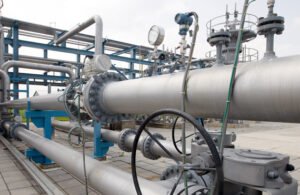
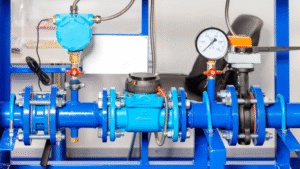
Smart valves for pipelines are transforming how industrial engineers approach flow control and pipeline management. These innovative devices integrate with cutting-edge technologies to offer enhanced efficiency, safety, and reliability in fluid handling systems. Understanding their workings and advantages is pivotal for optimizing pipeline operations.
What is a Smart Valve?
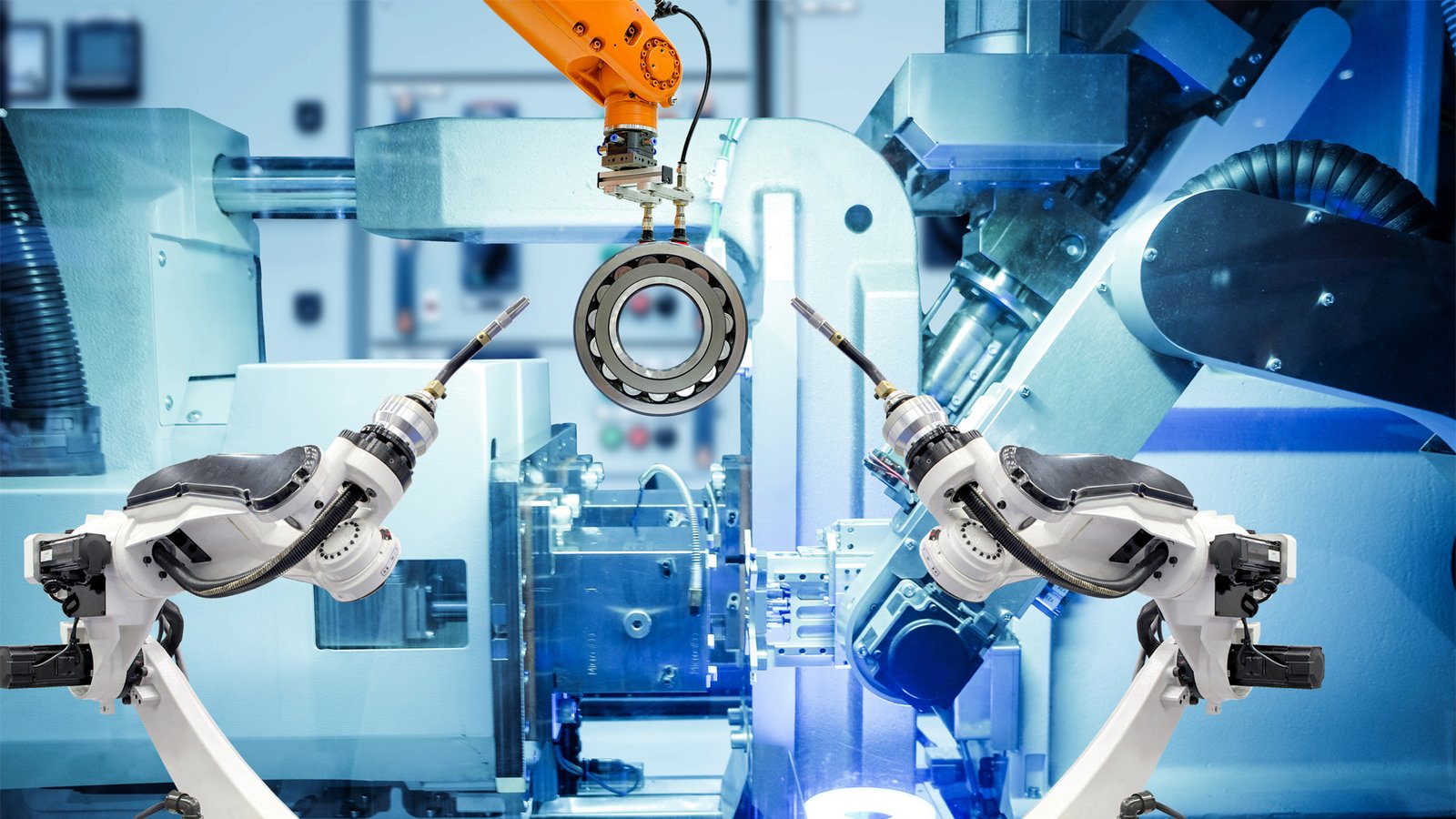
A smart valve is an advanced control device that can adjust its position automatically in response to various signals. These valves are equipped with sensors and communication interfaces that allow them to be part of a broader network. They represent a significant leap from traditional manual or automated valves due to their ability to interact with an entire system in real-time.
Key Features of Smart Valves
Integration with IoT and Automation
One of the defining features of smart valves is their ability to integrate with the Internet of Things (IoT) and automation systems. This allows for remote monitoring, controlling, and diagnostics, which leads to more streamlined operations and reduced downtime.
Enhanced Safety Measures
With built-in sensors, smart valves can detect anomalies such as pressure spikes or potential leaks. This feature significantly enhances the safety of pipeline systems by enabling prompt interventions.
The Role of Smart Valves in Pipeline Management
Efficiency and Cost-Effectiveness
Integrating smart valves for pipelines dramatically improves operational efficiency, thus lowering energy consumption and reducing costs. This economical benefit is essential for industrial operations looking to enhance competitiveness while maintaining profitability. For more insights, take a look at Smart Valve Brands.
Real-time Data and Analytics
By continuously collecting data, smart valves provide invaluable insights into pipeline performance. This data can be used to improve decision-making and forecast maintenance needs, thus preventing costly breakdowns.
Applications of Smart Valves in Different Industries
Oil and Gas Sector
In the oil and gas industry, the implementation of smart valves has become increasingly prevalent. They provide precise control over fluid flow and pressure, reducing the risk of operational failures and environmental hazards.
Water Treatment and Distribution
Smart valves ensure that water treatment processes operate efficiently. By optimizing flow rates and detecting leaks, they help maintain water quality and reduce wastage, crucial for sustainable utility management.
Manufacturing and Process Industries
In manufacturing, smart valves enhance production precision and process control. They contribute to maintaining product quality and reducing material waste within various production lines.
Challenges and Considerations
Technical Complexity
Despite their advantages, smart valves present challenges due to their technical complexity. Adequate training and knowledge are necessary for their installation, maintenance, and troubleshooting.
Cost of Implementation
The initial investment for installing smart valves can be high. However, this is counterbalanced by long-term savings brought by increased efficiency and reduced errors in pipeline systems.
A Look into the Future
The constant evolution of technology suggests that the capabilities of smart valves will continue to advance. Emerging trends in IoT and automation will likely lead to even smarter, more integrated systems for pipeline management. For further reading on how IoT and automation are transforming valve systems, visit Valves in the Digital Age.
Conclusion
Smart valves for pipelines mark a significant technological advancement in industrial engineering. Their capacity to enhance efficiency, safety, and reliability makes them indispensable in modern pipeline management. By bridging the gap between manual processes and full automation, they are paving the way for the future of fluid handling systems.
FAQs
How do smart valves improve safety in pipeline systems?
Smart valves improve safety by using sensors to detect anomalies and potential hazards, allowing for quick intervention to prevent accidents.
What industries benefit the most from smart valve technologies?
Industries such as oil and gas, water treatment, and manufacturing see significant benefits from adopting smart valve technologies due to their need for precise fluid control and efficiency.
What challenges are associated with smart valve implementation?
The main challenges include the technical complexity of these valves and the high initial cost of installation, offset by their long-term benefits in operational efficiency and cost savings.
This article contains affiliate links. We may earn a commission at no extra cost to you.