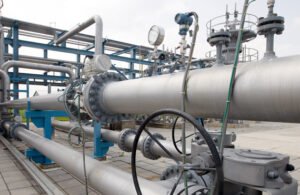
In today’s fast-paced industrial landscape, maintaining control and optimizing operations is crucial. One of the key solutions is the implementation of an enterprise valve monitoring system. This system plays a vital role in ensuring safety, efficiency, and reliability. Prioritizing its installation can lead to remarkable improvements in productivity and overall industrial success.
An enterprise valve monitoring system provides real-time data and analytics, helping industries make informed decisions quickly. Utilizing advanced technologies, such systems offer remote monitoring, critical alerts, and detailed performance analyses. By detecting and preventing potential issues, industries can experience fewer disruptions and enhanced operational flow.

What is an Enterprise Valve Monitoring System?
An enterprise valve monitoring system is an integrated solution designed to oversee and manage the performance of numerous valves in a large-scale industrial setting. These systems use sensors and software to gather data, which is then analyzed to ensure optimal functioning of the valves. By integrating this technology, industries can automate processes, improve safety measures, and reduce operational costs.
Key Features of Valve Monitoring Systems
1. Real-Time Data Collection
The system continuously collects data from various valves, providing a comprehensive overview of their status and performance. This data is crucial for forecasting maintenance needs and optimizing performance.
2. Remote Monitoring
With remote capabilities, industrial operators can access valve data from anywhere. This feature significantly reduces the need for on-site inspections, saving time and resources.
3. Predictive Maintenance Alerts
By analyzing data trends, the system can predict potential failures before they occur. This proactive approach minimizes downtime and extends the lifespan of the valves.
Benefits of Implementing an Enterprise Valve Monitoring System
1. Improved Safety
Continuous monitoring helps in identifying safety risks early, preventing accidents and ensuring a safe working environment.
2. Enhanced Operational Efficiency
The system’s intelligent insights enable industries to streamline operations, significantly boosting efficiency and productivity.
3. Cost Effectiveness
By detecting issues before they escalate, the system helps in reducing repair costs and preventing costly operational halts.
The Role of Machine Learning in Valve Monitoring
Machine learning algorithms play a crucial role in optimizing the performance of valve monitoring systems. These algorithms can recognize patterns and predict potential failures, leading to enhanced decision-making and operational efficiency.
Considerations When Choosing a Valve Monitoring System
1. System Compatibility
Ensure the selected system is compatible with existing setups to enable seamless integration and functionality.
2. Cost vs. Benefits
An effective cost-benefit analysis will help determine the return on investment, guiding the selection of the most suitable system.
3. Vendor Support
Choose a provider with robust customer support and consultation services to ensure continuous system efficiency.
Real-World Applications and Case Studies
Industries such as oil and gas, chemical manufacturing, and water services have successfully implemented these systems. For example, in the oil industry, they have significantly reduced operation shutdowns by forecasting and preventing potential valve failures.
External Insight on Smart Valves
For more detailed insights on how smart valves revolutionize industrial settings, visit this link.
Integrating with Existing Systems
Integration is key to maximizing the potential of the valve monitoring system. Proper compatibility checks and expert consultations can ensure a smooth transition and enhanced operational capabilities.
Innovative Valve Uses
Discover how smart valves are making a mark in industrial plumbing by reading this article.
Future Trends in Valve Monitoring
Future advances will likely include enhanced AI integration, real-time data processing improvements, and increased focus on cybersecurity measures.
Frequently Asked Questions
What are the primary benefits of a valve monitoring system?
Benefits include improved safety, higher efficiency, and significant cost savings.
How does predictive maintenance work?
Predictive maintenance uses data analytics to forecast when a valve might fail, allowing preventative measures to be taken in advance.
Can the system be integrated with other industrial technologies?
Yes, these systems can be integrated with existing industrial technologies to offer an end-to-end solution and enhance operational efficiency.
By understanding and implementing an enterprise valve monitoring system, industries can ensure operational success and adaptability in a competitive landscape.
This article contains affiliate links. We may earn a commission at no extra cost to you.