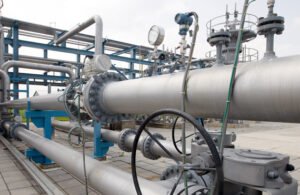
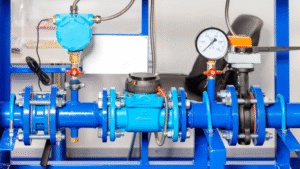
In today’s fast-paced industrial world, the pursuit of efficiency and safety is paramount. Industries are constantly seeking innovative solutions that can enhance operational control and reliability. Certified smart valves are emerging as a game-changer in this context, offering advanced capabilities that cater to modern needs. These intelligent devices have become pivotal in achieving automation, cost-effectiveness, and sustainability in industrial settings. In this article, we delve into the essence of certified smart valves, their advantages, applications, and future prospects.
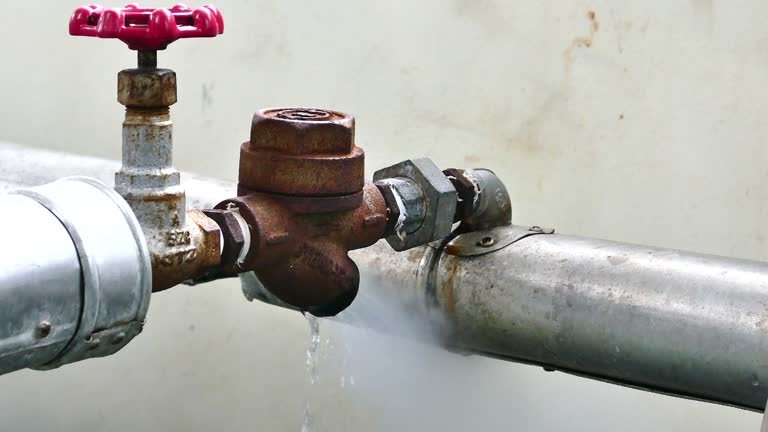
Understanding Certified Smart Valves
The term ‘certified smart valves’ refers to valves equipped with embedded sensors and digital controls, capable of autonomously managing the flow of fluids or gases based on real-time data. Certification indicates that these valves meet stringent industry standards and regulatory requirements, ensuring their safety and efficiency.
Benefits of Using Certified Smart Valves
1. Enhanced Safety Features
A prominent benefit of certified smart valves is their enhancement of safety measures. These valves can detect operational anomalies and alert operators to potential risks. In particular, industries prone to hazardous environments gain immense assurance from these features.
2. Operational Efficiency and Cost Savings
Certified smart valves greatly improve operational efficiency by minimizing human intervention and reducing operational errors. Their ability to self-regulate based on analytics can lead to significant cost savings in energy and maintenance.
3. Environmental Impact
Innovations in certified smart valves contribute to reducing environmental footprints by optimizing resource usage. By ensuring precise control over fluid dynamics, these valves can help industries meet stringent environmental regulations.
Key Applications in Industries
1. Petrochemical Industry
The petrochemical industry relies heavily on fluid dynamics for refining and production processes. Certified smart valves provide remote monitoring capabilities and predictive maintenance, essential for smooth operation in this sector.
2. Water Management
In water utilities, the use of certified smart valves aids in the effective management of water resources by providing accurate flow control and leakage monitoring. This is crucial in addressing global water scarcity issues.
3. Automotive Manufacturing
Automotive industries leverage these valves to ensure precision in hydraulic systems used in assemblage lines, reducing downtime and increasing productivity.
The Future of Certified Smart Valves and Industrial Automation
The integration of Artificial Intelligence and Internet of Things in certified smart valves marks the beginning of a new era in industrial automation. Future advancements are likely to focus on enhanced data analytics, predictive maintenance, and energy-efficient operations.
FAQs
What are certified smart valves?
Certified smart valves are advanced fluid control devices that use sensors and digital technology to autonomously manage and regulate flow, ensuring operational safety and efficiency.
How do certified smart valves enhance safety?
They enhance safety by detecting anomalies and alerting operators to potential risks, preventing industrial hazards and improving overall operational security.
In which industries are certified smart valves most beneficial?
These valves are highly beneficial in industries such as petrochemicals, water management, and automotive manufacturing, where precision and reliability are critical.
For more information on the integration of smart valves in both home and industrial systems, visit Smart Valves in Plumbing. To understand the importance of regular maintenance in managing industrial efficiency, explore Pipe Maintenance.
For comprehensive insights on the latest trends in valve automation, consider external research from reputable sources such as Smart Home Perfected.
This article contains affiliate links. We may earn a commission at no extra cost to you.