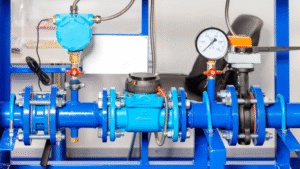
In recent years, the integration of modern technology into everyday systems has dramatically improved efficiency and functionality. One such innovation is the wireless smart valve, a game-changer particularly in plumbing and industrial applications. With its ability to be controlled remotely and provide real-time data, this device is leading the wave of technological advancement in various industries.
The wireless smart valve offers unparalleled convenience, allowing industrial engineers and homeowners to manage and monitor their systems efficiently. This article explores the significant impact, benefits, and features of these innovative valves, and their role in modern plumbing systems.

The Evolution of Valve Technology
Valve technology has undergone tremendous evolution over the years. Traditional valves required manual operation and were limited in terms of connectivity and automation. However, with the advent of IoT and automation, valves can now be integrated into smart systems, offering greater control and efficiency.
Incorporating wireless capabilities into valve technology represents a significant leap forward. It provides a sophisticated solution that can automatically regulate fluid flow based on predefined conditions, significantly reducing the need for constant human intervention.
How Wireless Smart Valves Work
A wireless smart valve is equipped with sensors and a wireless communication interface that enables remote control and monitoring. These valves are typically connected to an IoT network, which allows them to send and receive data in real-time. This data can then be used to adjust the valves operation, ensuring optimal performance.
Unlike traditional valves, which require manual operation, smart valves can be operated using a simple command from a smartphone app or a centralized control system. This feature is particularly beneficial in industrial settings, where quick changes can prevent potential hazards.
Benefits of Wireless Smart Valves
Enhanced Operational Efficiency
The primary benefit of wireless smart valves is the significant increase in operational efficiency. By automating the process, these valves reduce the need for manual inspections and adjustments, which can be both time-consuming and costly.
Additionally, smart valves can optimize system operations by automatically adjusting according to the data received from various sensors, ensuring the system operates at peak efficiency.
Improved Safety
Safety is a critical concern in any plumbing or industrial system. The ability to monitor valves remotely and receive alerts if there’s an issue enhances safety significantly. In the case of a fault or leak, a smart valve can automatically shut off, preventing further damage.
This feature is particularly crucial in industrial applications, where a failure could lead to significant downtime and potential hazards.
Integration with Other Smart Systems
One of the compelling features of a wireless smart valve is its ability to integrate seamlessly with other smart systems. Whether its part of a comprehensive plumbing system or integrated into a buildings smart infrastructure, these valves enhance overall system performance.
The ability to communicate with other devices allows for a more coordinated approach to system management, ensuring all components are working harmoniously to achieve desired outcomes.
Challenges in Adopting Smart Valve Technology
Despite the numerous benefits, the adoption of wireless smart valves comes with its challenges. These include the initial cost of installation and a requirement for a certain level of technological literacy to operate and maintain the systems effectively.
Yet, the long-term savings in maintenance and improved system efficiency often outweigh these initial challenges.
Case Studies in Industrial Use
Several industries have successfully integrated smart valves into their systems, showcasing the practicality and benefits of this technology. These case studies highlight increased efficiency, reduced maintenance costs, and enhanced safety measures.
Industries ranging from manufacturing to water management have employed these advanced valves to streamline their operations effectively.
Future of Wireless Smart Valve Technology
The future holds great promise for wireless smart valve technology. With the continuous advancement in IoT technology and increasing demand for efficient plumbing and industrial solutions, the adoption rate of these valves is expected to rise significantly.
Future innovations may include even smarter systems capable of predictive maintenance analytics and further enhancements in connectivity and user interface.
Conclusion
The wireless smart valve is indeed a transformative technology in the realm of plumbing and industrial systems. Its ability to improve efficiency and safety while seamlessly integrating into existing smart systems makes it an indispensable tool for modern applications.
For more information on how these technologies are revolutionizing industry practices, explore further on smart home applications.
FAQ
What are the main benefits of using a wireless smart valve?
Wireless smart valves offer enhanced operational efficiency, improved safety, and seamless integration with other systems, leading to cost savings and optimized operations.
Can a wireless smart valve be integrated with other smart systems?
Yes, smart valves can integrate with various smart systems, providing a comprehensive solution for managing plumbing and industrial operations more effectively.
What are potential challenges when implementing wireless smart valves?
Challenges include the initial cost of installation and a need for technological understanding. However, these are often offset by the long-term benefits.
This article contains affiliate links. We may earn a commission at no extra cost to you.