The world of industrial engineering has always been a hub for innovation and technological advancement. One of the most profound developments in recent times is smart valve technology. As industries evolve, so does their need for more precise, efficient, and reliable solutions. This technology is leading the charge toward a more automated and interconnected future, paving the way for smarter operations and enhanced productivity.
Smart valve technology isn’t merely an upgrade over traditional systems. It’s a revolutionary approach that integrates advanced technologies for improved control and monitoring. The promise of optimized efficiency, reduced waste, and better resource management makes it an attractive choice for engineers and managers alike. In this article, we will dive deep into the world of smart valves and explore how they are reshaping industries.

The Components of Smart Valve Technology
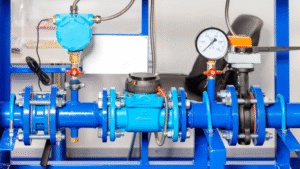
The beauty of smart valve technology lies in its components. At its core, it combines mechanical systems with sensor technology, actuators, and communication capabilities. These elements work in tandem to provide real-time data and control across a range of applications.
Applications in Various Industries
1. Oil and Gas
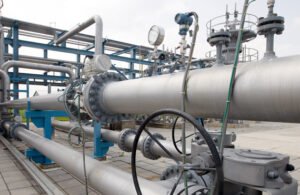
The oil and gas industry is one of the largest beneficiaries of smart valve technology. By implementing these advanced valves, companies can achieve better pressure management, leak detection, and remote operations. Visit this article to learn more about the role of smart valves in modern industry.
2. Water Treatment
In the realm of water treatment, smart valves enhance the monitoring and regulating of water flow, thus ensuring efficient operations. These systems can detect anomalies and inform maintenance teams proactively.
3. HVAC Systems
Smart valves in HVAC systems have redefined how climate control systems function, delivering improved energy efficiency and user comfort.
The Future of Smart Valve Technology
Looking ahead, smart valve technology promises even more integration with IoT devices and platforms. This level of connectivity will facilitate comprehensive data analytics and process automation. As technology evolves, the design and features of smart valves will continue to improve, leading to more sustainable industrial practices.
Challenges and Considerations
While the benefits are numerous, implementing smart valve technology isn’t without its challenges. Issues like cybersecurity, initial cost, and the need for skilled personnel for maintenance and upgrades are crucial considerations. That said, companies like Valvex are leading the way in making these technologies more accessible and effective.
Conclusions
Smart valve technology represents a monumental shift in industrial processes. As adoption increases, so will the efficiency and sustainability of these systems. For engineers and industry leaders, understanding and embracing this technology will be vital for future success.

FAQ
What is smart valve technology?
It is an integrated system of valves, sensors, and communication tools that allow for enhanced control and monitoring of fluid and airflow in various applications.
How does smart valve technology benefit industries?
Industries benefit through improved efficiency, reduced waste, enhanced safety, and better resource management.
Are there challenges in implementing smart valve technology?
Yes, challenges include ensuring cybersecurity, the initial setup cost, and the need for skilled labor to maintain and operate these technologies.
This article contains affiliate links. We may earn a commission at no extra cost to you.