
Modern industrial facilities are under increasing pressure to improve efficiency, safety, and reliability. As operations grow more complex, the need for real-time insight into critical infrastructure becomes essential. Automated valve monitoring solutions are transforming how industries manage their flow control systems, offering continuous data, predictive maintenance, and seamless integration with digital platforms. These technologies enable smarter decision-making and help organizations stay competitive in a rapidly evolving landscape.
Industries such as oil and gas, water treatment, chemical processing, and power generation rely on valves to regulate flow, pressure, and safety. Traditionally, manual inspection and monitoring have been time-consuming and prone to human error. With the advent of automation and digitalization, organizations can now deploy advanced monitoring systems that provide accurate, real-time valve status and performance data. This shift not only reduces operational risks but also supports proactive maintenance and resource optimization.
For organizations seeking to enhance their valve management strategies, exploring the latest advancements in automated valve monitoring solutions is a logical next step. To learn more about how these systems are being applied in process industries, visit this overview of valve monitoring and control in process industries.
Key Components of Modern Valve Monitoring Systems
A comprehensive valve monitoring system integrates several hardware and software elements to deliver actionable insights. These components work together to ensure that valves operate within specified parameters and that any deviations are detected promptly.
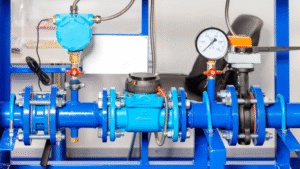
- Smart Sensors: These devices are installed directly on or near valves to measure position, pressure, temperature, and flow. Advanced sensors can detect partial strokes, leaks, or abnormal vibrations, providing early warning of potential issues.
- Wireless Communication: Modern systems utilize wireless protocols such as LoRaWAN, Zigbee, or cellular networks to transmit data from remote or hard-to-access locations. This reduces wiring costs and simplifies installation.
- Data Analytics Platforms: Cloud-based or on-premises software platforms aggregate sensor data, apply analytics, and generate alerts or maintenance recommendations. These platforms often feature dashboards for visualization and integration with existing SCADA or DCS systems.
- Automated Actuators: In some setups, actuators can receive remote commands to open, close, or modulate valves based on real-time data or pre-set logic, further enhancing operational flexibility.
Benefits of Automated Valve Monitoring Solutions
Implementing automated valve monitoring solutions delivers a range of tangible benefits for industrial operators. These advantages extend beyond simple status tracking, supporting broader operational goals.
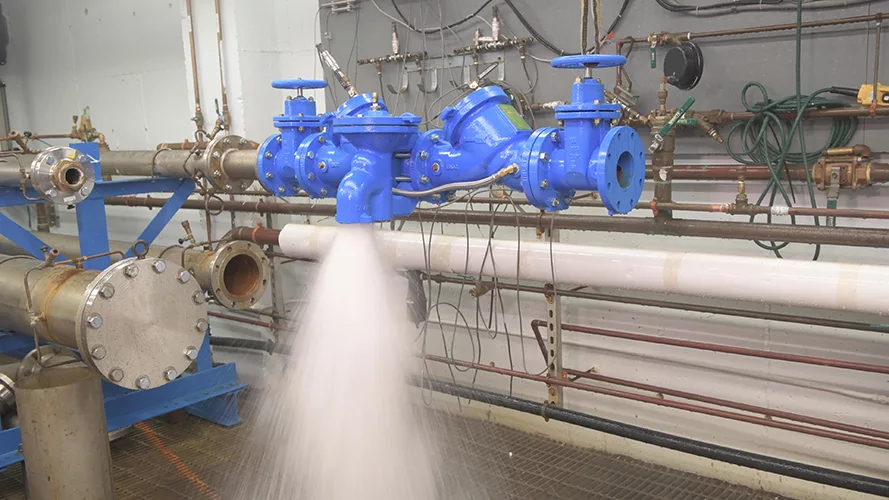
- Increased Uptime: Real-time monitoring helps identify issues before they lead to failures, minimizing unplanned downtime and production losses.
- Enhanced Safety: Automated alerts for abnormal valve behavior or leaks reduce the risk of hazardous incidents, protecting personnel and the environment.
- Predictive Maintenance: By analyzing trends in valve performance, maintenance teams can schedule interventions based on actual equipment condition rather than fixed intervals, optimizing resource use.
- Regulatory Compliance: Continuous data logging supports compliance with industry regulations by providing auditable records of valve operation and maintenance activities.
- Operational Efficiency: Automation reduces manual inspection rounds, freeing staff for higher-value tasks and improving overall productivity.
Applications Across Industries
The adoption of intelligent valve monitoring is growing across multiple sectors. Each industry faces unique challenges, but the core benefits of automation remain consistent.
- Oil and Gas: Pipelines, refineries, and storage facilities use automated monitoring to detect leaks, prevent overpressure events, and optimize flow control.
- Water and Wastewater: Utilities deploy these systems to manage distribution networks, monitor critical isolation valves, and ensure water quality.
- Chemical Processing: Plants benefit from early detection of process upsets, reducing the risk of product contamination or equipment damage.
- Power Generation: Automated monitoring supports the safe operation of steam, cooling, and fuel systems in power plants.
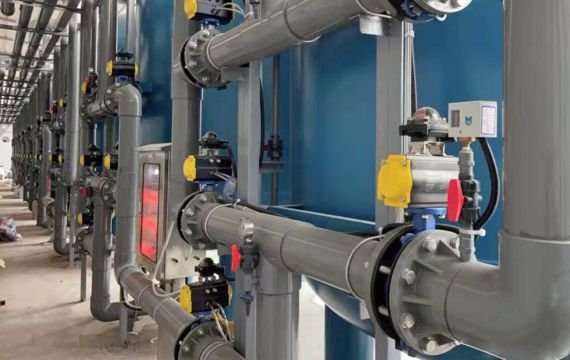
How Automated Monitoring Improves Maintenance Strategies
Traditional maintenance approaches often rely on scheduled inspections or reactive repairs after a failure occurs. By contrast, automated monitoring enables a shift toward predictive and condition-based maintenance. This approach leverages continuous data streams to identify subtle changes in valve performance, such as increased cycle times, excessive vibration, or temperature anomalies.
Maintenance teams can use this information to prioritize work orders, allocate resources efficiently, and avoid unnecessary part replacements. Over time, organizations can reduce maintenance costs, extend equipment life, and minimize the risk of catastrophic failures. The result is a more resilient and cost-effective operation.
Integration with Industrial Control Systems
One of the strengths of modern valve monitoring technology is its ability to integrate with existing industrial control systems. Whether a facility uses SCADA, DCS, or PLC-based architectures, most automated solutions offer compatibility through standard communication protocols such as Modbus, OPC UA, or MQTT.
This interoperability allows for seamless data sharing, centralized management, and coordinated control actions. Operators can view valve status alongside other critical process variables, enabling faster response to abnormal conditions and more informed decision-making.
Choosing the Right Automated Valve Monitoring Solution
Selecting the best-fit monitoring system depends on several factors, including the type of valves in use, the operating environment, and integration requirements. Key considerations include:
- Valve Types and Sizes: Ensure compatibility with the specific valve models and actuation methods in your facility.
- Environmental Conditions: Choose sensors and communication hardware rated for temperature, humidity, and hazardous area classifications as needed.
- Data Security: Evaluate cybersecurity features, especially for systems connected to corporate networks or the cloud.
- Scalability: Opt for solutions that can grow with your operation, supporting additional valves or sites as needed.
- Vendor Support: Consider the availability of technical support, training, and spare parts from your chosen provider.
Frequently Asked Questions
What types of valves can be monitored with automated systems?
Most modern monitoring solutions are compatible with a wide range of valve types, including ball, gate, butterfly, globe, and check valves. Both manual and actuated valves can be equipped with sensors, provided the appropriate mounting hardware and communication interfaces are available.
How does automated valve monitoring support predictive maintenance?
By continuously collecting and analyzing data on valve position, cycle count, temperature, and vibration, automated systems can detect early signs of wear or malfunction. Maintenance teams receive alerts when performance deviates from normal patterns, allowing them to schedule repairs before failures occur.
Is it difficult to retrofit existing valves with automated monitoring?
Many solutions are designed for easy retrofit, using non-intrusive sensors and wireless communication to minimize installation time and disruption. However, the complexity depends on valve accessibility, existing infrastructure, and the desired level of integration with control systems.