Having a properly functioning shower drain is crucial for maintaining a clean and pleasant bathroom environment. However, many homeowners often encounter issues with their shower drains that can disrupt their daily routines. This shower drain troubleshooting guide aims to assist you in identifying and resolving common drain problems, ensuring that your shower remains in top working condition.
In this shower drain troubleshooting guide, we will explore various issues that can arise with shower drains and provide practical solutions to fix them. Whether you’re dealing with clogs, leaks, or unpleasant odors, understanding the root causes of these problems can help you implement effective solutions and prevent future occurrences.
Understanding Common Shower Drain Problems
1. Clogged Drains
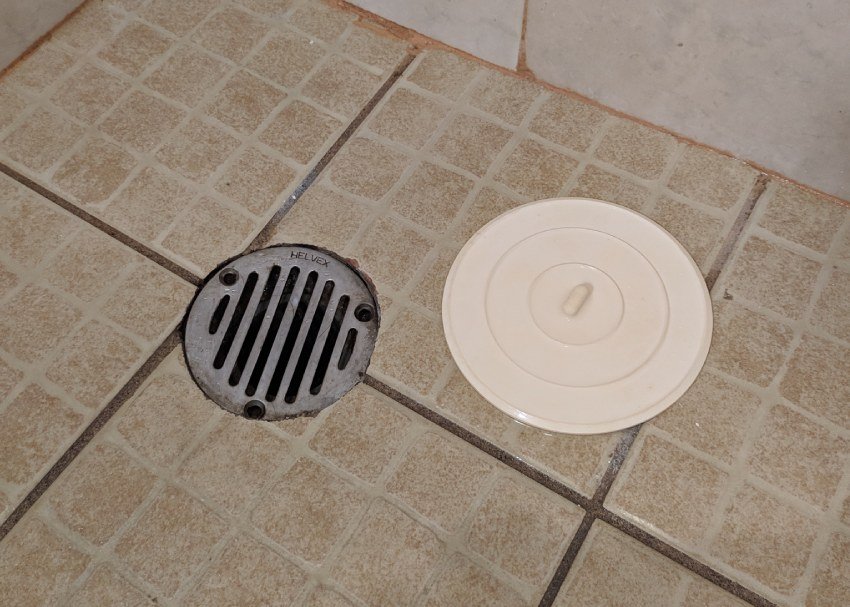
Clogged drains are one of the most frequent issues homeowners face. They can occur due to a buildup of hair, soap scum, and other debris that accumulates over time. To address this problem, consider using a drain snake or a plunger to remove the blockage. Additionally, regular maintenance such as cleaning the drain cover can help prevent clogs from forming in the first place.
2. Leaking Drains
Leaking drains can lead to water damage and mold growth if not addressed promptly. If you notice water pooling around your shower area or damp spots on the ceiling below, it’s crucial to investigate the source of the leak. Check the joints and connections of the drain pipes for any signs of damage or loose fittings. Re-sealing the joints or replacing damaged components can often resolve the issue.
3. Unpleasant Odors
Persistent foul odors emanating from your shower drain can make your bathroom an unpleasant place to be. These odors are often caused by a buildup of bacteria and organic matter in the drain. Regularly cleaning the drain with a mixture of baking soda and vinegar can help eliminate odors. Additionally, ensuring proper ventilation in the bathroom can further prevent the accumulation of unpleasant smells.
Preventive Measures for Shower Drain Maintenance
4. Regular Cleaning
Implementing a regular cleaning routine for your shower drain can significantly reduce the likelihood of clogs and odors. Remove debris from the drain cover and use a mixture of baking soda and vinegar to flush out any buildup. This simple maintenance task can go a long way in keeping your drain in optimal condition.
5. Install a Drain Cover
Using a drain cover is an effective way to prevent larger debris, such as hair and soap scum, from entering the drain and causing clogs. Ensure that the cover is cleaned regularly to maintain its effectiveness. This small addition can make a significant difference in the longevity of your shower drain.
6. Avoid Chemical Cleaners
While it may be tempting to use chemical drain cleaners to tackle clogs, they can often do more harm than good. These harsh chemicals can damage your pipes and harm the environment. Instead, opt for natural alternatives like baking soda and vinegar or consider using a drain snake to clear stubborn clogs.
When to Seek Professional Help
7. Persistent Clogs
If you’ve tried multiple methods to clear a clog without success, it may be time to call a professional plumber. Persistent clogs could indicate a more severe issue within your plumbing system that requires expert attention.
8. Ongoing Leaks
Leaks that persist despite your efforts to fix them should be evaluated by a professional. A plumber can assess the situation and recommend the appropriate repairs to prevent further damage to your home.
9. Strong Odors
If unpleasant odors continue to linger despite your cleaning efforts, it’s advisable to seek professional assistance. A plumber can identify any underlying issues contributing to the odor and provide targeted solutions.
Additional Resources
For more detailed guidance on maintaining your shower drain and preventing issues, consider visiting how to prevent leaks and why avoid chemical cleaners on our website. Additionally, you can explore external resources like this helpful guide on unclogging shower drains from HGTV.
Conclusion
By understanding the common issues that can arise with shower drains and implementing preventive measures, you can maintain a clean and functional bathroom environment. This shower drain troubleshooting guide provides valuable insights and practical solutions to help you address drain problems effectively. Remember, when in doubt, don’t hesitate to seek professional assistance to ensure the longevity and efficiency of your plumbing system.
FAQ Section
What causes shower drain clogs?
Shower drain clogs are typically caused by a buildup of hair, soap scum, and other debris that accumulates over time. Regular cleaning and maintenance can help prevent these clogs.
How can I prevent shower drain leaks?
To prevent shower drain leaks, ensure that all joints and connections are properly sealed and in good condition. Regular inspections and maintenance can help identify potential issues before they become major problems.
What should I do if my shower drain smells bad?
If your shower drain emits unpleasant odors, clean the drain regularly with a mixture of baking soda and vinegar. If the smell persists, consult a professional plumber to identify and address any underlying issues.
This article contains affiliate links. We may earn a commission at no extra cost to you.