Dealing with a shower drain leaking into the basement can be a distressing issue for any homeowner. This problem not only creates discomfort but might also lead to structural damage if not addressed timely. Understanding the causes and finding effective solutions is key to maintaining a safe and dry home environment.
Understanding the Basics of Shower Drain Systems
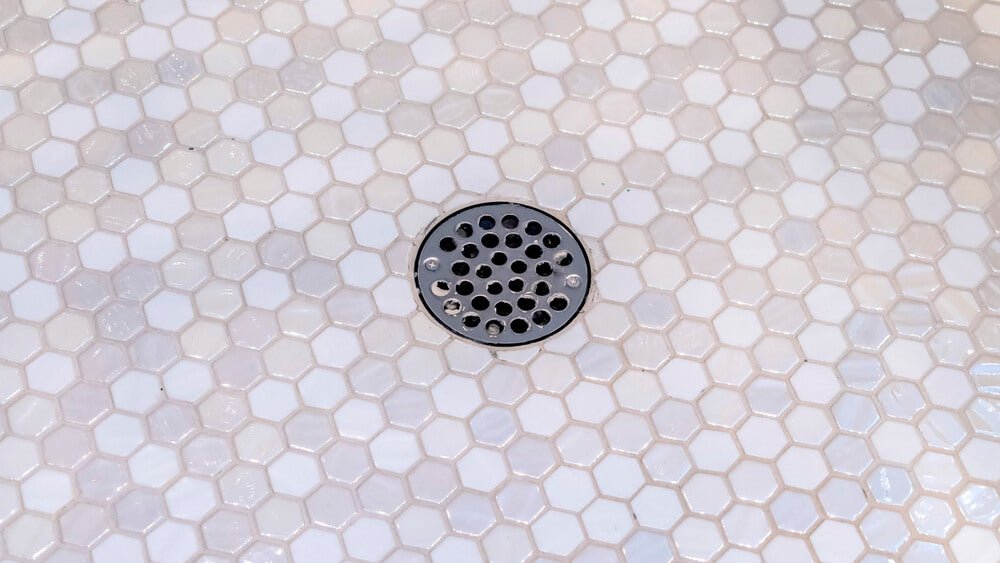
A shower drain system is designed to efficiently channel water from the shower floor to the main drainage system. It consists of several components, including the drain cover, trap, and piping, each playing a vital role in preventing leaks and clogs.
Components of a Shower Drain
The fundamental components of a shower drain include:
- Drain Cover: The visible part that prevents large debris from entering the drain.
- Drain Trap: A U-shaped pipe that holds water to block sewer gases.
- Piping: Connects the trap to the main sewage line.
Common Causes of Shower Drain Leaks
Several factors can contribute to a shower drain leaking into the basement. Identifying these causes is the first step in resolving the issue.
Worn-Out Seals and Gaskets
Over time, the seals and gaskets within the drain assembly can deteriorate, leading to leaks. Regular inspection and replacement of these components can prevent potential water damage.
Pipe Corrosion
Corroded pipes are a common issue in older homes. Corrosion can lead to leaks, particularly if the pipes are made of outdated materials such as galvanized steel. Replacing old pipes with modern alternatives like PVC can offer a long-term solution.
Poor Installation
Improper installation can result in a shower drain leak. Ensuring that all components are correctly fitted and sealed is crucial in preventing leaks.
Signs of a Shower Drain Leak in the Basement
Detecting a shower drain leak early can save you from extensive repairs and expenses. Here are some warning signs to watch out for:
Musty Odor
A musty smell in the basement often indicates moisture buildup, which could be a result of a leaking shower drain.
Water Stains
Water stains on the ceiling or walls of the basement are clear indicators of a leak. Addressing these signs promptly can prevent further damage.
Mold Growth
The presence of mold or mildew is a serious concern. Mold not only damages property but also poses health risks. If you notice mold growth, it’s crucial to investigate and resolve any underlying leaks.
How to Fix a Shower Drain Leak
Once you’ve identified a leak, taking the right steps to fix it is essential. Depending on the cause, different solutions might be required.
Tightening Drain Components
Sometimes, a simple tightening of the drain components can stop the leak. Ensure all nuts and bolts are secure, and check for any visible signs of wear.
Replacing Worn-Out Parts
If the leak persists, replacing worn-out seals and gaskets might be necessary. This process involves removing the existing components and installing new ones, ensuring a watertight seal.
Professional Plumbing Services
For more complex issues, hiring a professional plumber is advisable. Professional services can accurately diagnose and repair leaks, providing peace of mind and long-term solutions.
Preventing Future Shower Drain Leaks
Prevention is always better than cure. Implementing preventive measures can save you from future headaches and expenses.
Regular Maintenance
Conducting regular maintenance checks can help identify potential issues before they become major problems. Clean the drain regularly and inspect components for signs of wear.
Upgrading Plumbing Systems
Consider upgrading old plumbing systems to modern standards. New materials and technologies can enhance the durability and efficiency of your plumbing, reducing the likelihood of leaks.
Using Quality Materials
Invest in quality materials for your plumbing needs. High-quality components might have a higher upfront cost but will offer better performance and longevity.
Linking the Solution with an Expert Guide
For more detailed guidance on preventing leaks, you can explore the expert tips offered by Valvex AI. Check out their guide on how to check if shower drain is leaking for comprehensive insights.
Frequently Asked Questions
What causes a shower drain to leak into the basement?
Various factors, including worn-out seals, corroded pipes, and poor installation, can cause a shower drain to leak into the basement.
How can I detect a shower drain leak early?
Look for signs like musty odors, water stains, and mold growth in your basement. Early detection can prevent further damage.
Should I hire a professional to fix a shower drain leak?
While some minor leaks can be fixed with DIY methods, it’s advisable to hire a professional plumber for complex issues to ensure a thorough and lasting repair.
Conclusion
Dealing with a shower drain leaking into the basement requires prompt attention and action. By understanding the causes, recognizing the signs, and implementing preventive measures, you can safeguard your home against future leaks. Remember, regular maintenance and investing in quality plumbing materials will go a long way in ensuring your home’s plumbing system remains leak-free.
This article contains affiliate links. We may earn a commission at no extra cost to you.