In the world of home maintenance, a seemingly minor issue like a shower drain can lead to significant problems such as floor damage. Many homeowners overlook the potential for a shower drain to cause floor damage, but it’s a concern that should not be ignored. Understanding the connection between a shower drain and floor damage is crucial for preventing costly repairs.
When we think about home maintenance, our minds often drift to major appliances or structural elements. However, the humble shower drain can be a source of hidden trouble. Floor damage due to a faulty shower drain is more common than one might think, and addressing it promptly can save both time and money.
Understanding How Shower Drains Work
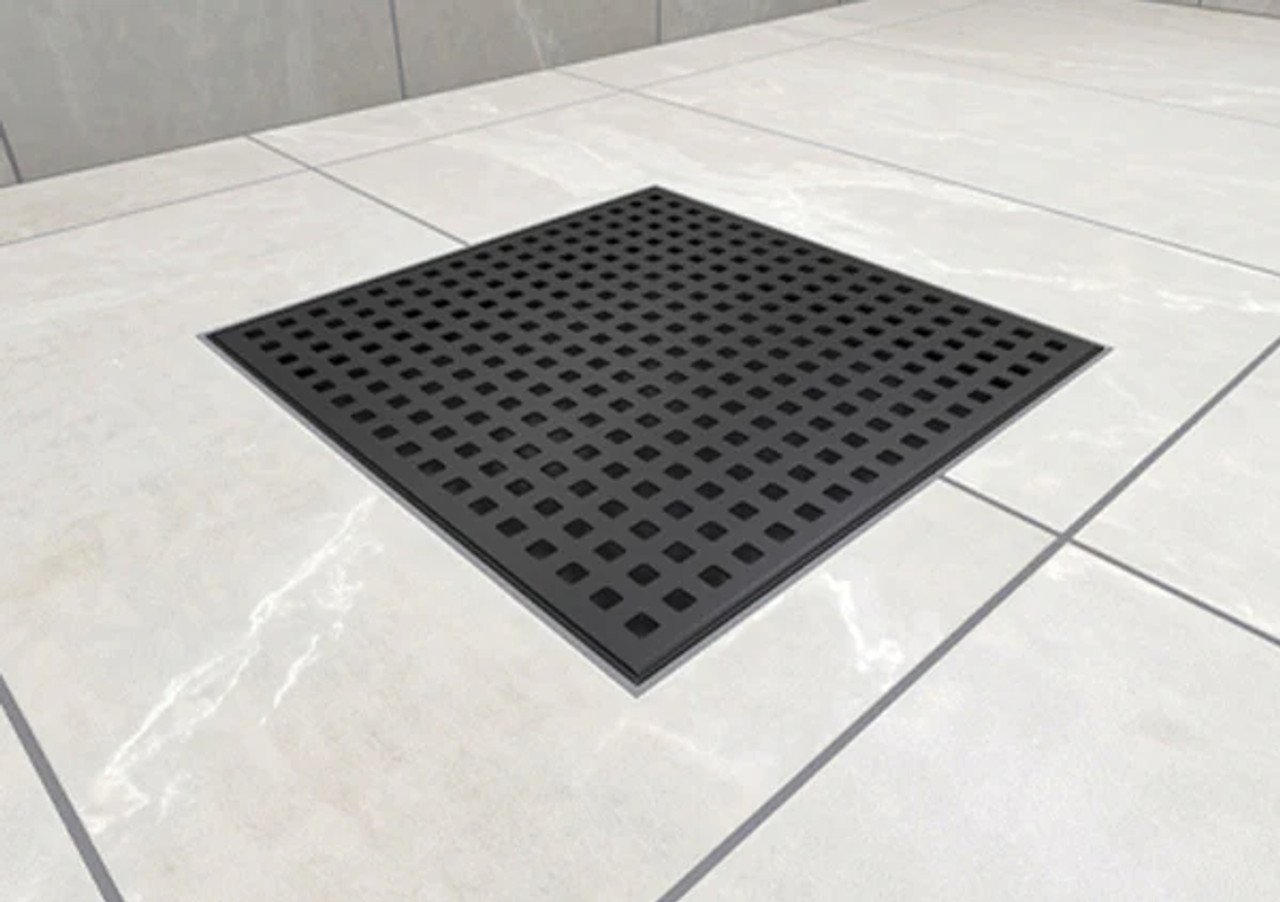
A shower drain is designed to efficiently channel water from the shower area to the plumbing system. It consists of several parts, including the drain cover, the trap, and the connecting pipes. When functioning correctly, a shower drain prevents any water from seeping through, keeping your floors safe and dry.
Components of a Shower Drain
The shower drain has several components that work together to ensure proper drainage. These include:
- Drain cover: Prevents debris from entering the drain.
- Trap: Holds a small amount of water to block sewer gases.
- Connecting pipes: Transport water to the main plumbing system.
Common Causes of Drain Leaks
Several factors can lead to shower drain leaks. Understanding these causes is the first step in preventing floor damage.
Improper Installation
A common culprit of shower drain leaks is improper installation. If the drain is not securely fitted, water can seep through, causing floor damage. It’s essential to ensure that all components are correctly installed to prevent leaks.
Wear and Tear
Over time, the components of a shower drain can wear out. Rubber gaskets may degrade, and pipes might develop cracks. Regular inspection and maintenance can help identify these issues early.
Clogs and Blockages
Debris such as hair and soap scum can accumulate, leading to clogs. A clogged drain can cause water to back up and overflow, resulting in floor damage. Regular cleaning can prevent such blockages.
Signs of Floor Damage from Shower Drains
Identifying the signs of floor damage early can help mitigate the problem. Here are some indicators to look out for:
Water Stains
Water stains on the ceiling below your bathroom or on the bathroom floor itself can be a telltale sign of a leaking shower drain.
Warped Flooring
If the flooring around the shower area begins to warp or buckle, it may indicate water damage caused by a faulty drain.
Mold and Mildew
Mold and mildew thrive in moist environments. If you notice musty smells or visible mold around the shower area, it could be a result of water leakage.
Preventing Shower Drain-Related Floor Damage
Prevention is always better than cure. Here are some strategies to prevent floor damage from a shower drain:
Regular Inspections
Conduct regular inspections of your shower drain to ensure all components are in good condition. Look for signs of wear and tear, and address any issues promptly.
Proper Installation
Ensure the shower drain is installed correctly. Hiring a professional plumber can guarantee that the installation meets all necessary standards.
Routine Cleaning
Regular cleaning of the shower drain can prevent clogs and blockages. Removing debris like hair and soap scum will keep the drain functioning properly.
For more detailed guidance on maintaining a shower drain, you can visit this external resource.
Repairing Floor Damage
If you already have floor damage due to a leaking shower drain, taking quick action is crucial. Here are some steps to consider:
Assess the Damage
Before any repairs, it’s important to assess the extent of the damage. Check for signs of mold, mildew, and structural damage.
Professional Repairs
In cases of significant floor damage, hiring a professional contractor is advisable. They can provide the expertise needed to repair and restore the affected area.
DIY Solutions
For minor repairs, DIY solutions can be effective. Replacing damaged tiles or patching small leaks can be done with the right tools and materials.
Useful Resources and Links
For those interested in learning more about maintaining and repairing shower drains, these resources may be helpful:
FAQ
How can I tell if my shower drain is leaking?
Look for water stains on the ceiling below the bathroom or warping on the floor. A musty smell can also indicate leakage.
What should I do if I suspect floor damage?
First, assess the extent of the damage. Depending on the severity, you may need to call a professional for repairs.
How often should I clean my shower drain?
It’s advisable to clean your shower drain every month to prevent clogs and ensure efficient drainage.
This article contains affiliate links. We may earn a commission at no extra cost to you.