Are you tired of dealing with a clogged shower drain? Knowing how to use a plunger on a shower drain can be a lifesaver. Its a simple yet effective tool that can save you a lot of time and money. In this guide, well walk you through the steps to effectively use a plunger, ensuring your shower drains smoothly. This knowledge is not only beneficial for homeowners but also for industrial engineers who might encounter such issues in their work environments.
Understanding the Problem: Why Drains Clog
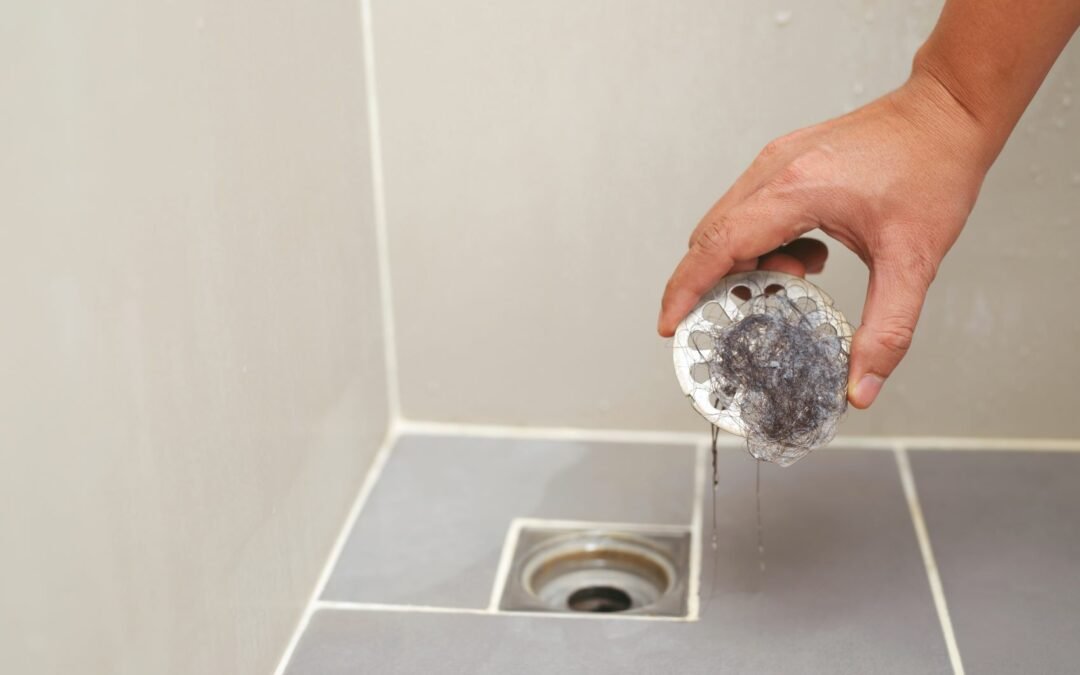
Before diving into the solution, its essential to understand why shower drains clog. Common causes include hair, soap scum, and mineral deposits. Over time, these elements accumulate, leading to blockages. Regular maintenance and cleaning can prevent these issues, but when clogs occur, a plunger can be your best friend.
Tools You Need
To get started, you will need a few tools:
- Plunger – Preferably a flat-bottomed one for better suction.
- Petroleum jelly – To improve the seal.
- Bucket of water – To help create pressure.
- Rubber gloves – For hygiene.
Steps to Unclog a Shower Drain
Step 1: Prepare the Area
Clear the shower area of any items. Put on your rubber gloves to maintain hygiene. Ensure the drain cover is removed to allow the plunger to cover the drain completely.
Step 2: Seal the Plunger
Apply a thin layer of petroleum jelly around the rim of the plunger. This will help create a stronger seal, which is crucial for effective plunging.
Step 3: Fill with Water
Pour enough water into the shower to cover the base of the plunger. This water is necessary to create the pressure needed to dislodge the clog.
Step 4: Start Plunging
Place the plunger over the drain, ensuring it seals completely. Push down and pull up vigorously for about 15-20 seconds. The motion should be quick and forceful to create the necessary suction and pressure.
Step 5: Check the Drain
After a few plunging attempts, check if the water drains properly. If not, repeat the process. Stubborn clogs might require multiple attempts.
When to Call a Professional
If after several attempts your drain remains clogged, it might be time to call in a professional. Persistent clogs can indicate bigger plumbing issues that require expert attention.
Preventing Future Clogs
Prevention is better than cure. Regularly clean your drain by removing visible debris and using drain covers to catch hair and other particles. Also, consider monthly treatments with a natural drain cleaner.
Understanding Plunger Types
Not all plungers are created equal. For shower drains, a flat-bottomed plunger is most effective. Cup plungers, commonly used for sinks, might not provide the best seal for shower drains.
Alternative Methods
While a plunger is effective, sometimes alternative methods can be helpful. These include using a plumber’s snake or a mixture of baking soda and vinegar. However, these methods might require more time and effort.
Additional Tips for Industrial Engineers
For those in the industrial field, understanding plumbing basics is crucial. Its beneficial to familiarize yourself with various plumbing tools and techniques, as unexpected plumbing issues can occur in industrial settings.
Conclusion
Learning how to use a plunger on a shower drain is an invaluable skill. Whether at home or in an industrial setting, this knowledge can save time and prevent frustration. Remember, regular maintenance is key to avoiding clogs. For more information on maintaining plumbing systems, check out this helpful guide.
FAQs
How often should I clean my shower drain?
It’s best to clean your shower drain at least once a month to prevent clogs.
Can plungers damage pipes?
When used correctly, plungers do not damage pipes. Ensure you use the right type of plunger and technique.
What if the plunger doesnt work?
If the plunger is ineffective, consider using a plumbers snake or contacting a professional plumber.
This article contains affiliate links. We may earn a commission at no extra cost to you.