In the realm of industrial engineering, the importance of tank protection using PRVs cannot be overstated. Pressure Relief Valves (PRVs) play a vital role in maintaining the safety and efficiency of storage tanks. As industrial processes become increasingly complex, ensuring that tanks are protected from overpressure is crucial for both operational success and safety.
Understanding how tank protection using PRVs works is essential for engineers and industry professionals alike. The application of PRVs not only prevents potential tank failures but also optimizes process efficiency, reducing downtime and maintenance costs.
What are Pressure Relief Valves (PRVs)?
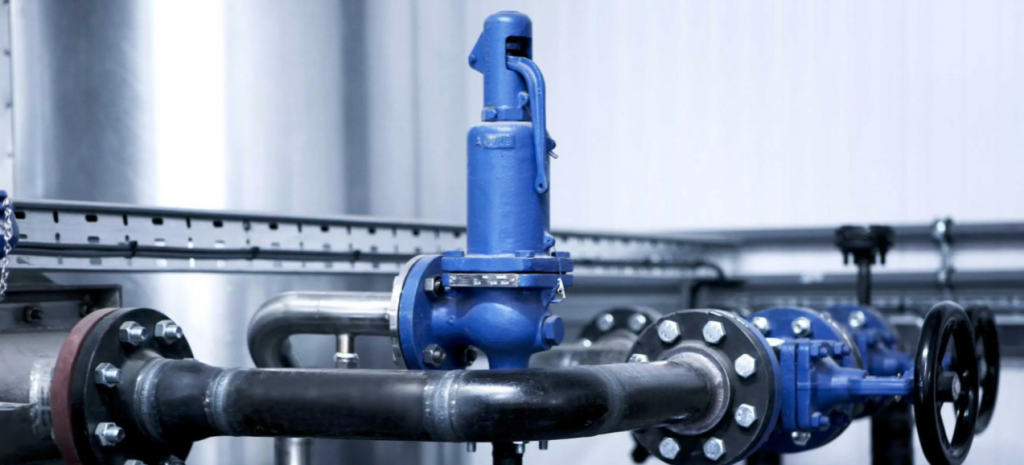
PRVs are devices designed to open at a predetermined set pressure to protect pressure vessels and other equipment from excessive pressure. They are a critical component in a wide range of industries, including oil and gas, chemical processing, and water treatment.
How PRVs Function
When the pressure within a tank exceeds the designated safe level, the PRV automatically opens, allowing the excess pressure to escape. This prevents potential damage to the tank and ensures the safety of the surrounding environment.
The Importance of PRVs in Tank Protection
The primary purpose of PRVs in tank protection is to safeguard against overpressure scenarios that could lead to catastrophic failures. By venting excess pressure, PRVs help maintain the structural integrity of tanks and other pressure vessels.
Preventing System Failures
Without adequate pressure relief mechanisms, tanks are susceptible to ruptures and explosions, which can have severe consequences for both personnel and equipment. Implementing PRVs is a proactive measure to mitigate these risks.
Types of Pressure Relief Valves
There are several types of PRVs available, each suited to specific applications and industries. Understanding the differences between these valves is essential for selecting the right one for your system.
Spring-Loaded PRVs
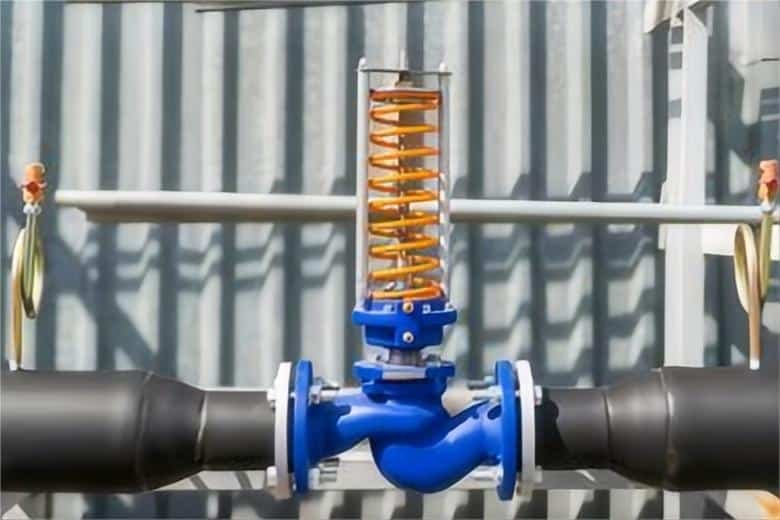
These are the most common type of PRVs, relying on a spring mechanism to open the valve when the pressure exceeds the set point.
Pilot-Operated PRVs
Pilot-operated PRVs use an auxiliary pressure pilot to control the opening of the main valve, allowing for more precise pressure control.
Installation and Maintenance of PRVs
Proper installation and regular maintenance of PRVs are critical for ensuring their optimal performance. Engineers must consider several factors, such as the orientation and accessibility of the valve, to ensure effective operation.
For detailed guidance on designing PRV accessibility, check out this PRV accessibility guide.
Regular Inspection and Testing
Routine inspection and testing of PRVs are essential to identify potential issues before they become serious problems. This includes checking for wear and tear, corrosion, and blockages.
Challenges in PRV Implementation
While PRVs are indispensable for tank protection, their implementation can present challenges. Engineers must navigate these obstacles to ensure the successful integration of PRVs into their systems.
Managing System Backpressure
System backpressure can affect the performance of PRVs. Understanding its impact is crucial for optimizing valve function. Learn more about the impact of backpressure on PRVs.
Innovations in PRV Technology
Advancements in technology continue to improve the efficiency and reliability of PRVs. These innovations are paving the way for more robust tank protection solutions.
Smart PRVs and Digital Monitoring
Smart PRVs equipped with digital monitoring capabilities allow for real-time data analysis and remote operation, enhancing the overall safety and efficiency of the system.
Conclusion
In conclusion, tank protection using PRVs is a fundamental aspect of industrial safety and efficiency. By understanding the functionality, types, and maintenance requirements of PRVs, engineers can ensure the reliable protection of their systems.
For more insights into pressure relief systems, explore this comprehensive guide on pressure relief valves.
FAQs
Why are PRVs important for tank protection?
PRVs are crucial for preventing overpressure scenarios that can lead to tank failures and safety hazards.
What are the different types of PRVs?
The main types of PRVs include spring-loaded and pilot-operated valves, each suited for specific applications.
How often should PRVs be inspected?
Regular inspection and testing should be conducted at least annually to ensure optimal performance.
This article contains affiliate links. We may earn a commission at no extra cost to you.