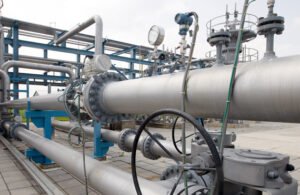
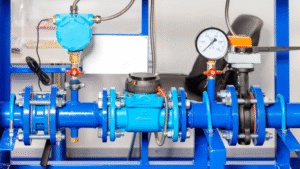
In the world of industrial engineering, maintaining the safety and efficiency of systems is of utmost importance. One critical component in achieving this is the relief valve calibration log. This log is not just a record but a crucial tool that ensures the proper functioning of relief valves, thereby safeguarding equipment and personnel. Understanding the relief valve calibration log is essential for all engineers who aim to maintain high standards of safety and operational efficiency.
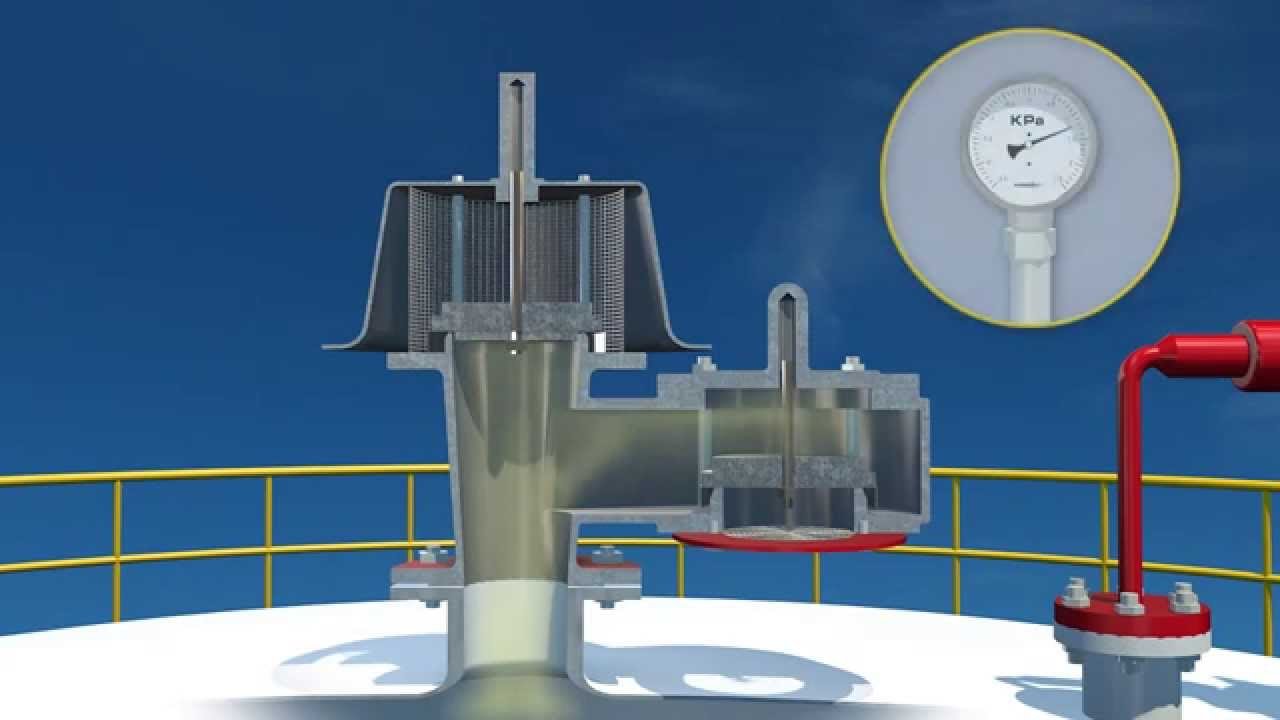
What is a Relief Valve?
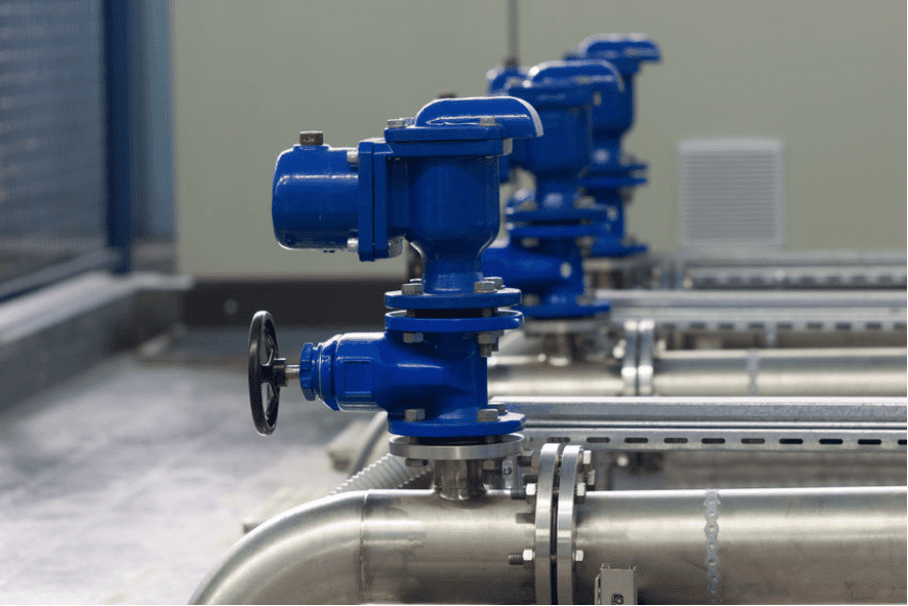
A relief valve is a safety device designed to control or limit the pressure in a system. If the pressure exceeds a predetermined limit, the relief valve opens, allowing fluid or gas to flow out of the system. This helps prevent potential overpressure situations that could lead to equipment failure or even catastrophic events.
The Role of the Calibration Log
The relief valve calibration log serves several critical functions. It systematically records all calibration activities, providing a historical record of the valve’s performance. This log is essential for ensuring compliance with industry standards and regulations, facilitating maintenance planning, and enhancing system reliability.
Compliance with Standards
Compliance with industry standards is non-negotiable. The relief valve calibration log ensures that all valves are calibrated according to the required standards, such as those set by the American Society of Mechanical Engineers (ASME). This not only ensures safety but also maintains the integrity of the system.
Facilitating Maintenance Planning
Regular maintenance is crucial for the longevity and efficiency of relief valves. The calibration log aids in planning maintenance activities by providing detailed records of previous calibrations, adjustments, and repairs. This helps in identifying patterns or recurring issues that may need attention.
Enhancing System Reliability
System reliability is paramount in industrial operations. A well-maintained calibration log helps in predicting potential failures before they occur, thus reducing downtime and maintaining the continuous operation of systems.
Components of a Relief Valve Calibration Log
A comprehensive relief valve calibration log should include the following components:
- Identification Information: This includes the valve’s serial number, model, and location within the system.
- Calibration Details: Records of calibration dates, the person performing the calibration, and the results.
- Adjustments and Repairs: Any adjustments made during calibration and details of repairs if necessary.
- Next Calibration Date: Scheduling information for the next calibration to ensure ongoing compliance and safety.
Best Practices for Maintaining a Calibration Log
Maintaining an accurate and up-to-date calibration log involves several best practices:
Regular Updates
Ensure that the log is updated immediately after each calibration. Delays in updating can lead to inaccuracies and potential safety risks.
Training Personnel
All personnel involved in calibration activities should be adequately trained. Proper training ensures that calibrations are performed correctly and that logs are maintained accurately.
Utilizing Technology
Consider using digital logbooks and calibration software to streamline the process. These tools can enhance accuracy, provide alerts for upcoming calibrations, and facilitate data analysis.
Challenges in Maintaining Calibration Logs
While the importance of relief valve calibration logs is clear, maintaining them can present challenges:
Data Management
Managing vast amounts of data can be overwhelming. Implementing an efficient data management system is crucial to handle this data effectively.
Compliance Pressure
With stringent industry regulations, ensuring compliance can be challenging. Regular audits and reviews of the calibration log can help in staying compliant.
Resource Allocation
Allocating sufficient resources for calibration activities and log maintenance is essential. This includes time, personnel, and financial resources.
Future of Relief Valve Calibration Logs
The future of relief valve calibration logs is likely to be influenced by technological advancements. Automation and digitalization are expected to play significant roles in enhancing the accuracy and efficiency of calibration logs.
Automation
Automated calibration systems can reduce human error, increase efficiency, and provide real-time data updates. This can significantly improve the reliability of calibration logs.
Integration with IoT
Integrating calibration systems with the Internet of Things (IoT) can provide continuous monitoring and real-time alerts, further enhancing the safety and efficiency of industrial systems.
For more information on related topics, you can visit Wikipedia’s article on relief valves.
Conclusion
The relief valve calibration log is an indispensable tool in industrial engineering. It ensures compliance, facilitates maintenance, and enhances system reliability. By understanding its importance and implementing best practices, engineers can significantly improve the safety and efficiency of their systems.
FAQs
What is the main purpose of a relief valve?
A relief valve’s main purpose is to control or limit the pressure in a system, preventing overpressure situations that could lead to equipment failure.
Why is a calibration log important?
A calibration log is important because it records all calibration activities, ensuring compliance with industry standards and enhancing system reliability.
How often should relief valves be calibrated?
The frequency of calibration depends on industry standards and the specific requirements of the system. Regular calibration is essential for maintaining safety and compliance.
This article contains affiliate links. We may earn a commission at no extra cost to you.