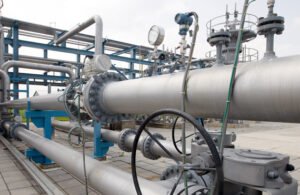
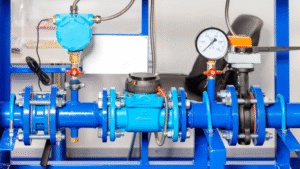
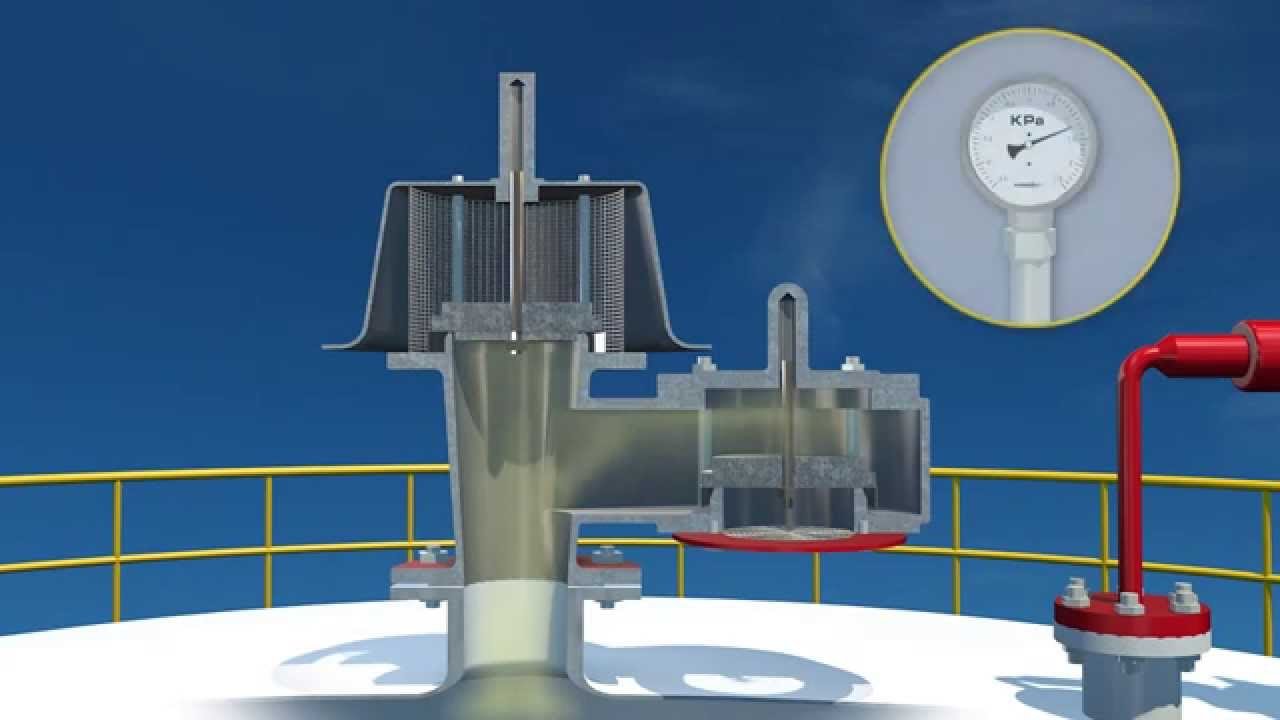
In the world of industrial engineering, the **relief valve with remote sensing line** is a crucial component. These valves ensure systems operate safely by preventing overpressure conditions, which can lead to catastrophic failures. The integration of a remote sensing line enhances their effectiveness, offering precise control and monitoring.
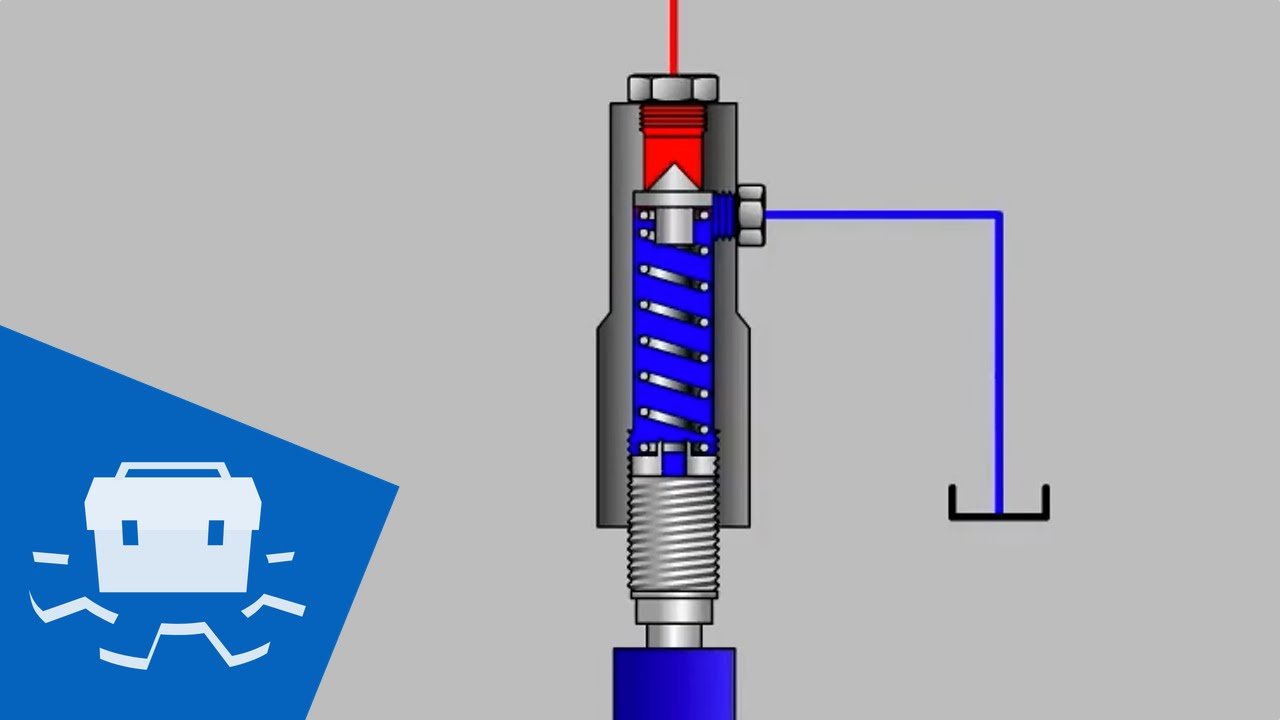
What is a Relief Valve?
A **relief valve** is a type of safety valve used to control or limit the pressure in a system. When the pressure exceeds a preset level, the valve opens, allowing the excess pressure to be released. This process protects the equipment from damage and ensures safety.
The Role of Remote Sensing Line
The addition of a **remote sensing line** in a relief valve system enhances its functionality. This line allows the valve to sense pressure from a remote location, offering greater flexibility and accuracy in pressure monitoring. This setup is particularly beneficial in complex systems where direct measurement isnt feasible.
Advantages of Using Remote Sensing Lines
Using a remote sensing line provides several advantages:
- Accuracy: It allows for precise pressure measurements, reducing the risk of inaccurate readings.
- Flexibility: The ability to monitor pressure from a distance offers greater flexibility in system design.
- Safety: It enhances safety by ensuring the relief valve responds correctly to pressure changes.
Applications in Industrial Engineering
Relief valves with remote sensing lines are widely used in various industries, including oil and gas, chemical processing, and manufacturing. They are essential in systems where maintaining precise pressure levels is critical for operational efficiency and safety.
Oil and Gas Industry
In the oil and gas sector, these valves are integral to maintaining pressure in pipelines and processing systems. They ensure that operations are safe and efficient, protecting both personnel and equipment from potential overpressure scenarios.
Chemical Processing
In chemical plants, maintaining the correct pressure is crucial to prevent chemical reactions from becoming uncontrollable. Relief valves with remote sensing lines provide the necessary control to manage these pressures effectively.
Manufacturing Sector
Manufacturing processes often involve high pressures, making these valves essential for safe operations. They ensure that machinery operates within safe pressure limits, reducing the risk of failures and accidents.
Design Considerations for Relief Valves with Remote Sensing Lines
When designing a system incorporating these valves, several factors must be considered:
- Pressure Settings: The valve must be set to open at the correct pressure level to ensure safety.
- Location of Sensing Line: The placement of the sensing line is critical for accurate pressure readings.
- Material Selection: The materials used must be compatible with the fluids in the system to prevent corrosion and ensure longevity.
For more detailed information about designing for **PRV accessibility**, visit this resource.
Challenges and Solutions
Implementing these valves can present challenges, such as ensuring accurate pressure readings and avoiding blockages in the sensing line. Solutions include regular maintenance and using high-quality materials to prevent wear and tear.
Maintenance and Testing
Regular maintenance is crucial for the reliable operation of relief valves. This includes checking for leaks, testing the valve’s opening pressure, and ensuring the sensing line is clear of obstructions.
For insights into **valve seat wear and repair**, you can explore this guide.
Importance of Regular Testing
Testing is vital to ensure the valve operates correctly. This involves simulating overpressure conditions to verify that the valve opens at the intended pressure. Regular testing helps identify potential issues before they lead to system failures.
Conclusion
The **relief valve with remote sensing line** is a critical component in many industrial systems. Its ability to accurately monitor and control pressure from a remote location makes it invaluable in ensuring system safety and efficiency. By understanding its applications, design considerations, and maintenance needs, engineers can effectively integrate these valves into their systems.
FAQs
Why is a remote sensing line important?
A remote sensing line allows for more accurate pressure monitoring from a distance, enhancing the safety and flexibility of the system.
How often should relief valves be tested?
Relief valves should be tested regularly, typically annually, to ensure they function correctly and open at the designated pressure levels.
What industries benefit from using relief valves with remote sensing lines?
Industries such as oil and gas, chemical processing, and manufacturing benefit significantly from these valves due to their need for precise pressure control.
This article contains affiliate links. We may earn a commission at no extra cost to you.