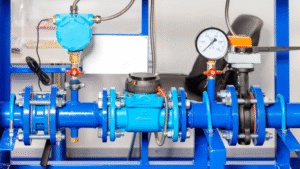
In the evolving landscape of industrial engineering, the integration of PRVs (Pressure Relief Valves) with SCADA (Supervisory Control and Data Acquisition) systems is gaining significant attention. This integration promises enhanced operational efficiency and improved safety measures, making it a compelling choice for industrial engineers. Understanding the nuances of this integration is crucial for optimizing system performance and ensuring safety across various applications.
Understanding the Basics of PRVs and SCADA
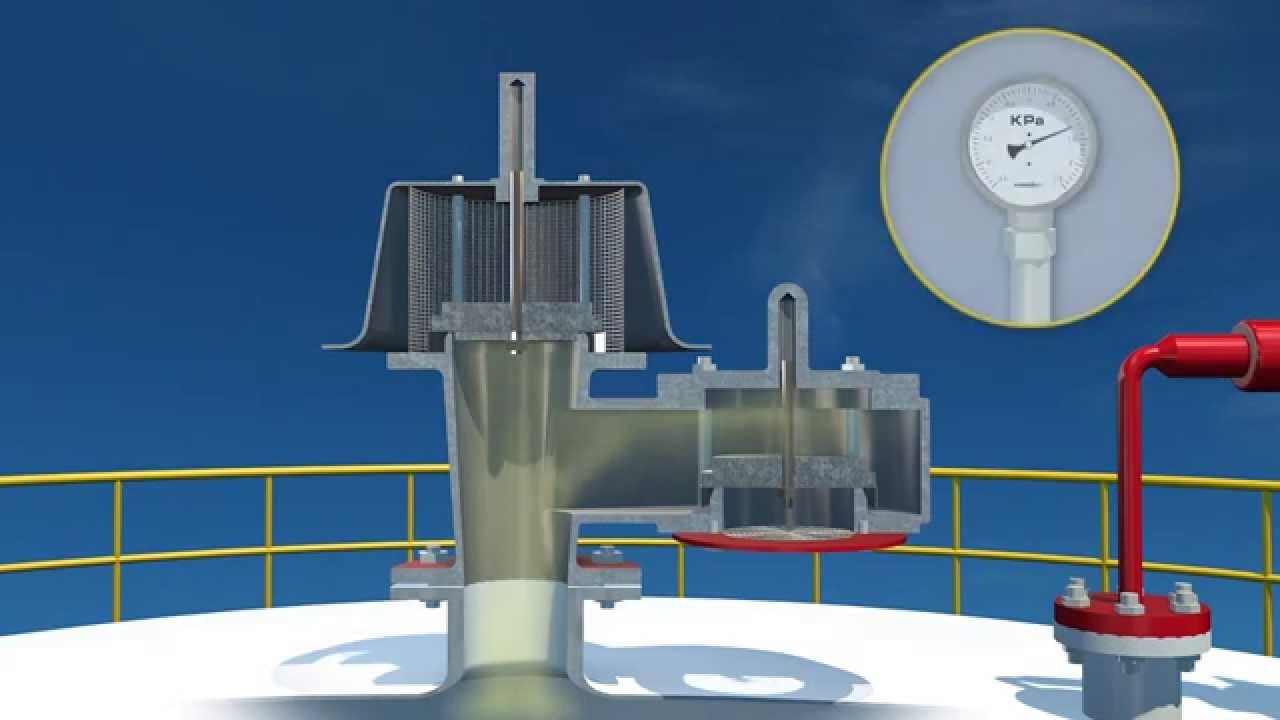
Before diving into the integration process, it’s essential to grasp the basics of PRVs and SCADA. Pressure Relief Valves are critical components used to control or limit the pressure in a system or vessel, preventing potential failures or disasters. On the other hand, SCADA is a control system architecture that uses computers, networked data communications, and graphical user interfaces for high-level process supervisory management.
Importance of PRVs in Industrial Systems
PRVs play a pivotal role in maintaining safety and operational efficiency in industrial systems. They automatically release pressure from a system when it exceeds a preset limit, preventing potential overpressure conditions that could lead to equipment damage or catastrophic failure. Proper PRV orientation and accessibility are crucial for ensuring their effectiveness in pressure management.
Role of SCADA in Modern Industries
SCADA systems have become indispensable in modern industries due to their ability to monitor and control industrial processes remotely. By collecting real-time data and providing insights into system performance, SCADA helps in making informed decisions, enhancing productivity, and ensuring compliance with safety standards.
The Integration Process: Merging PRVs with SCADA
Integrating PRVs with SCADA involves incorporating pressure relief valve data into the SCADA system for real-time monitoring and control. This integration allows for immediate response to pressure fluctuations, thereby enhancing safety and operational efficiency.
Steps for Successful Integration
- Assessment and Planning: Begin by evaluating the current system setup and identifying potential integration points for PRVs within the SCADA architecture.
- Hardware Compatibility: Ensure that the existing PRVs and SCADA hardware are compatible or can be upgraded to support integration.
- Software Configuration: Configure the SCADA software to incorporate PRV data, enabling real-time monitoring and control capabilities.
- Testing and Validation: Conduct thorough testing to validate the integration and ensure seamless communication between PRVs and SCADA.
For more detailed integration techniques, refer to resources like Safety Relief Valves: The Pressure is On.
Benefits of Integrating PRVs with SCADA
The integration of PRVs with SCADA offers numerous benefits that enhance overall system performance and safety. Some of the key advantages include:
Real-Time Monitoring and Control
By integrating PRVs with SCADA, industries can achieve real-time monitoring of pressure levels, allowing for immediate corrective actions in case of anomalies. This proactive approach minimizes the risk of overpressure conditions and potential system failures.
Enhanced Safety Measures
With integrated PRVs and SCADA, safety measures are significantly enhanced. The system can automatically trigger alarms and initiate safety protocols, ensuring a swift response to pressure variations and preventing hazardous situations.
Improved Operational Efficiency
The seamless integration of PRVs with SCADA leads to improved operational efficiency by optimizing pressure management processes and reducing downtime. This efficiency translates into cost savings and increased productivity for industries.
Challenges and Considerations
While the benefits of integrating PRVs with SCADA are compelling, there are challenges and considerations to keep in mind during the integration process.
Technical Challenges
One of the primary challenges is ensuring compatibility between existing PRV systems and SCADA infrastructure. Upgrading or modifying components may be necessary to achieve seamless integration.
Cost Considerations
The integration process may involve significant costs, especially if system upgrades or replacements are required. It’s essential to conduct a cost-benefit analysis to determine the feasibility and long-term advantages of integration.
Security Concerns
As with any digital integration, security is a paramount concern. Ensuring robust cybersecurity measures are in place is critical to protect the integrated system from potential threats or breaches.
Case Studies: Successful Integrations
Several industries have successfully integrated PRVs with SCADA, yielding significant improvements in system performance and safety. For instance, companies in the oil and gas sector have leveraged this integration to enhance pressure management and reduce the risk of incidents.
Oil and Gas Industry
In the oil and gas industry, integrating PRVs with SCADA has led to better pressure control and monitoring, resulting in increased safety and operational efficiency. The ability to monitor and respond to pressure changes in real-time has minimized the risk of pipeline failures and environmental hazards.
Manufacturing Sector
Manufacturers have also benefited from integrating PRVs with SCADA, especially in processes involving high-pressure systems. The integration has enabled manufacturers to optimize their operations, reduce downtime, and ensure product quality by maintaining precise pressure control.
Future Trends in PRV and SCADA Integration
The future of PRV and SCADA integration looks promising, with several trends emerging in the industrial landscape.
IoT and Smart Technologies
The integration of IoT and smart technologies with PRVs and SCADA is expected to revolutionize pressure management. Smart sensors and data analytics will enable predictive maintenance and enhanced system performance.
Cloud-Based Solutions
Cloud-based solutions are becoming increasingly popular in SCADA systems, offering scalability and flexibility. Integrating PRVs with cloud-based SCADA can provide industries with greater accessibility and control over their systems.
FAQs
What are the main advantages of integrating PRVs with SCADA?
The primary advantages include real-time monitoring and control, enhanced safety measures, and improved operational efficiency.
Are there any challenges in integrating PRVs with SCADA?
Yes, technical challenges, cost considerations, and security concerns are some of the challenges faced during the integration process.
How does SCADA improve the functionality of PRVs?
SCADA enhances the functionality of PRVs by enabling real-time monitoring, data analysis, and automated control, leading to optimized pressure management.
This article contains affiliate links. We may earn a commission at no extra cost to you.