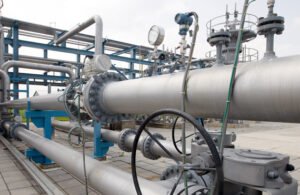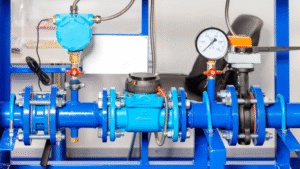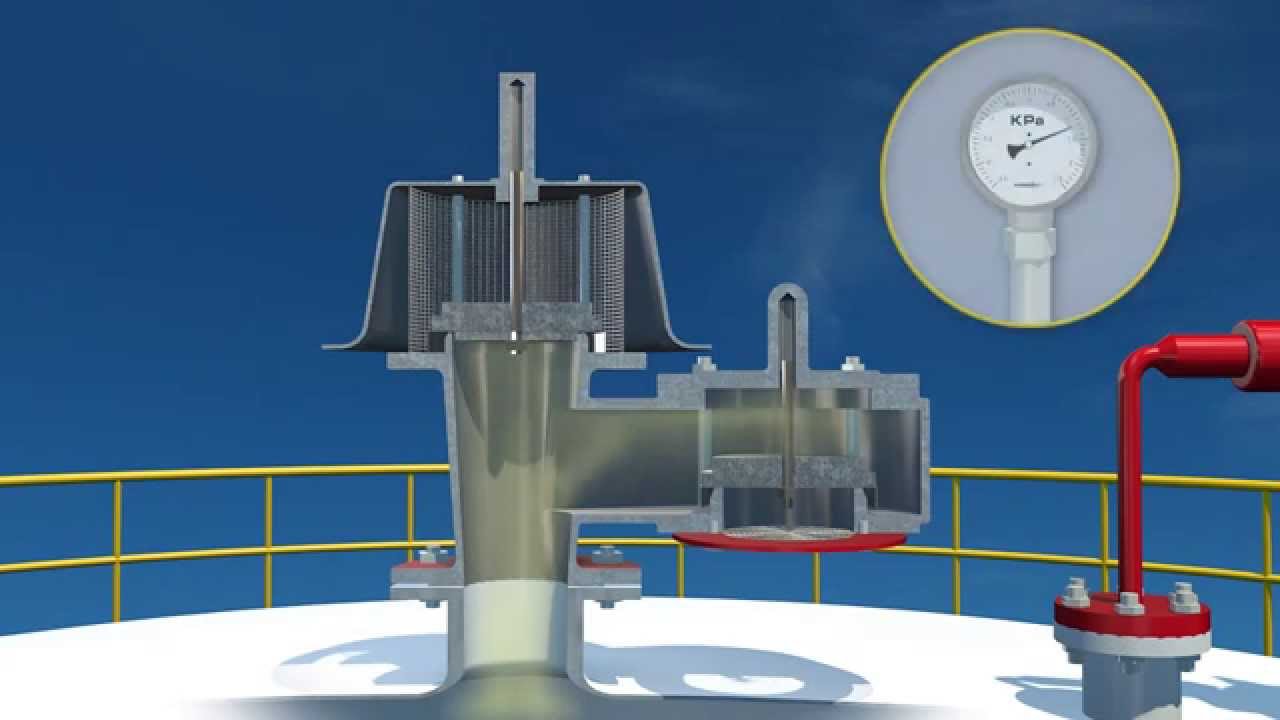

In today’s fast-paced industrial landscape, the significance of relief valve simulation software cannot be overstated. This innovative technology has become a cornerstone for industrial engineers, offering unparalleled insights into the functionality and efficiency of pressure relief valves. As we delve into the intricacies of this software, we will explore how it is reshaping the field of industrial engineering.
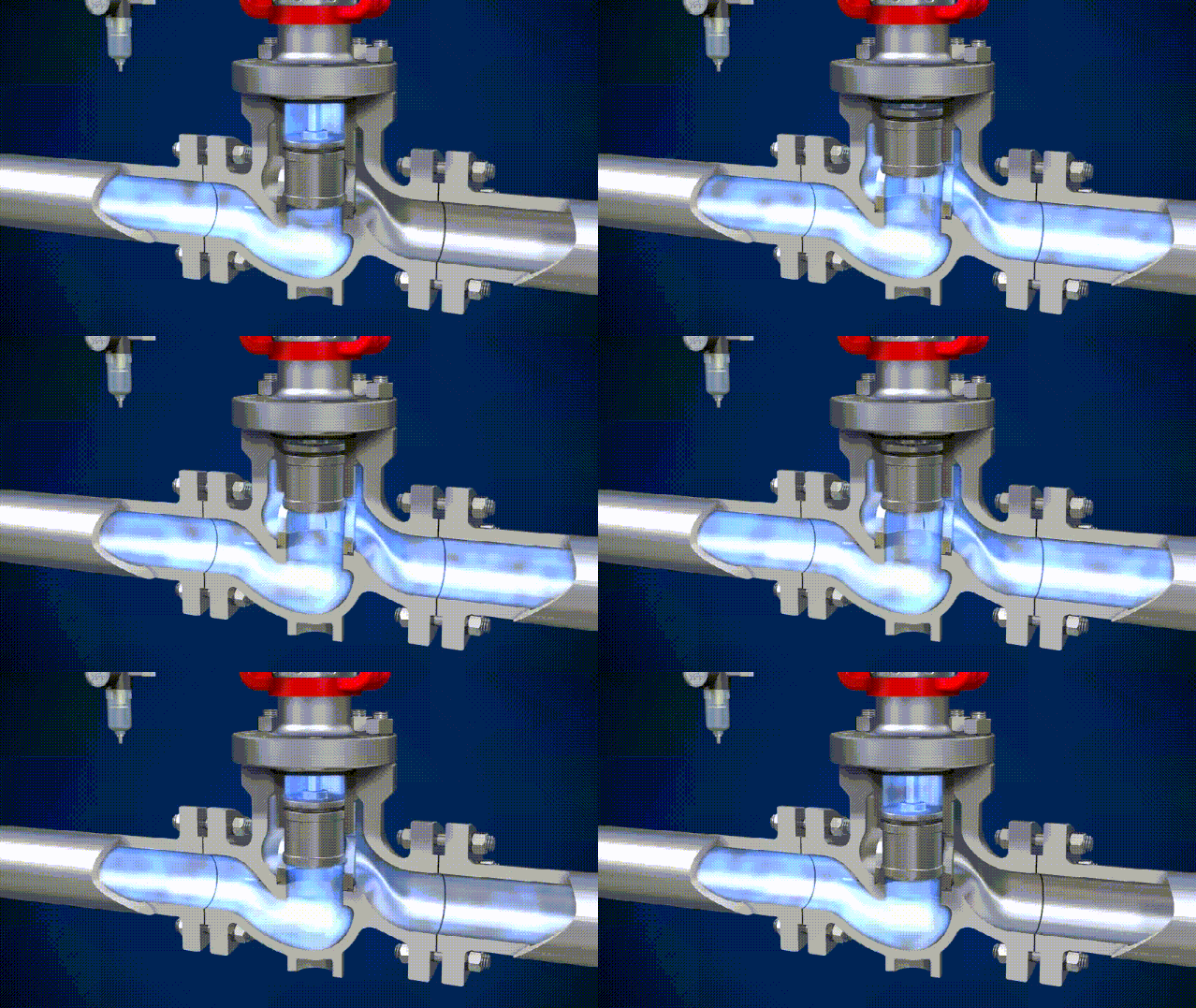
Understanding Relief Valve Simulation Software
At its core, relief valve simulation software serves as a virtual testing ground for pressure relief valves. It allows engineers to simulate various scenarios and conditions, ensuring that these valves operate optimally under different pressures and temperatures. This capability is crucial in industries where safety and efficiency are paramount.
The Importance of Pressure Relief Valves
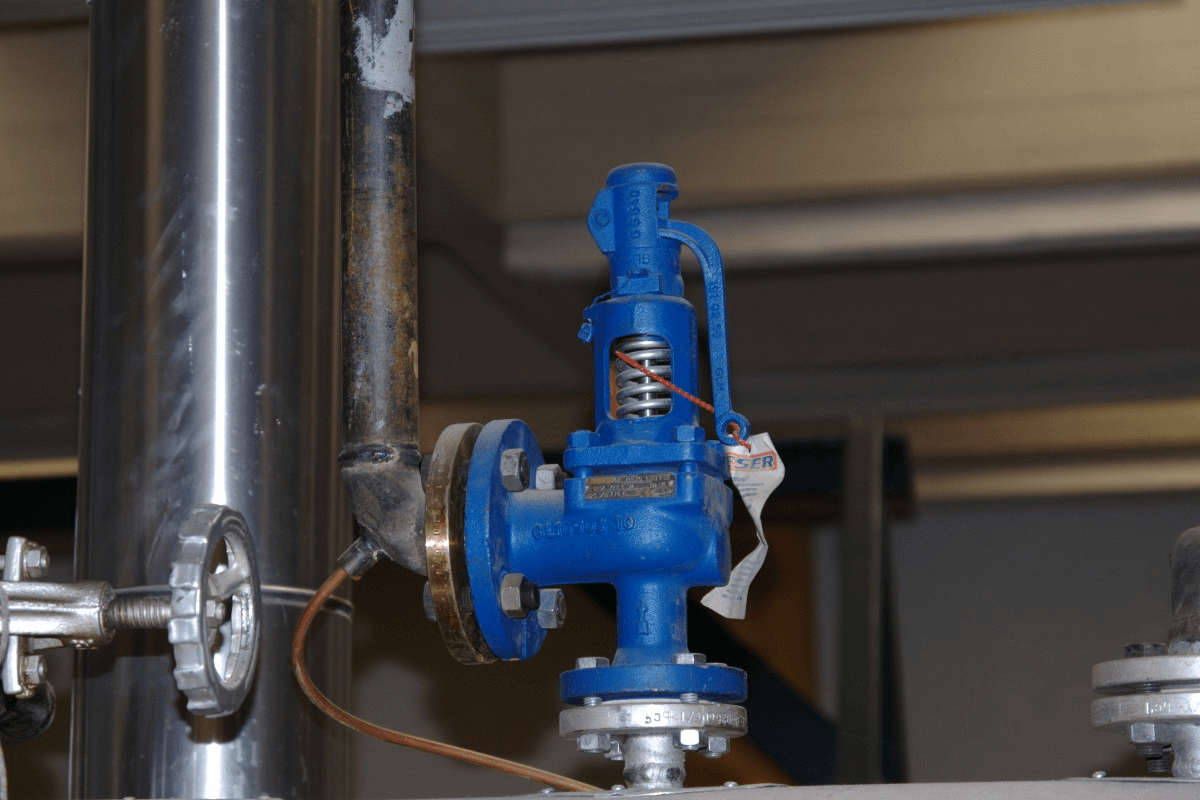
Before diving deeper into the software, it’s essential to understand the role of pressure relief valves. These valves are critical components in systems that handle pressurized fluids. They act as safety devices, preventing excessive pressure build-up that could lead to catastrophic failures. For more detailed insights, you can visit this external resource.
How Simulation Software Enhances Valve Performance
The integration of simulation software in valve design and testing offers numerous advantages. Engineers can analyze the dynamic behavior of valves under various conditions, identify potential weaknesses, and optimize designs for better performance. This approach not only enhances safety but also extends the lifespan of the valves.
Key Features of Relief Valve Simulation Software
Modern relief valve simulation software is equipped with a range of features designed to aid engineers in their tasks. These include:
- Real-time Analysis: The software provides immediate feedback on valve performance, allowing for quick adjustments and refinements.
- 3D Modeling: Engineers can create detailed 3D models of valves to visualize their operation and identify potential issues.
- Customizable Parameters: Users can adjust various parameters such as pressure, temperature, and flow rate to simulate different conditions.
The Role of Simulation in Preventing Valve Failures
Valve failures can have severe consequences, including equipment damage and safety hazards. By utilizing simulation software, engineers can proactively identify and address potential failure points. This proactive approach significantly reduces the risk of unexpected failures in real-world applications.
Applications Across Industries
While the primary focus of this article is on industrial engineering, it’s worth noting that relief valve simulation software has applications across various industries. From oil and gas to pharmaceuticals, the software’s ability to enhance safety and efficiency makes it an invaluable tool in any sector where pressurized systems are used.
Case Study: Oil and Gas Industry
In the oil and gas industry, the stakes are incredibly high. The ability to accurately simulate and test pressure relief valves can prevent costly downtime and ensure the safety of both personnel and equipment. By leveraging simulation software, companies in this sector can maintain high operational standards.
Challenges and Considerations
Despite the many benefits, implementing relief valve simulation software is not without its challenges. Engineers must ensure that the software is properly calibrated and that simulations accurately reflect real-world conditions. Additionally, continuous updates and training are essential to keep up with technological advancements.
Overcoming Implementation Challenges
To overcome these challenges, organizations should invest in comprehensive training programs for their engineers. By fostering a culture of continuous learning, companies can maximize the benefits of simulation technology and stay ahead in the competitive industrial landscape.
The Future of Relief Valve Simulation Software
As technology continues to evolve, the capabilities of relief valve simulation software will only expand. Future developments may include advanced artificial intelligence algorithms that further enhance simulation accuracy and predictive capabilities. The future holds exciting possibilities for industrial engineers.
Integration with Emerging Technologies
One of the most promising trends is the integration of simulation software with other emerging technologies such as IoT and machine learning. This convergence will enable real-time monitoring and predictive maintenance, further enhancing the reliability and efficiency of pressure relief valves.
Conclusion
In conclusion, relief valve simulation software is an indispensable tool for industrial engineers seeking to enhance the safety and efficiency of their operations. By embracing this technology, industries can mitigate risks, optimize performance, and pave the way for a safer future. For more insights on related topics, consider exploring system backpressure impact and proper PRV orientation.
FAQs
What is relief valve simulation software used for?
This software is used to simulate the performance of pressure relief valves under various conditions, ensuring their optimal operation and safety.
How does simulation software improve valve safety?
By allowing engineers to test and refine valve designs in a virtual environment, the software helps identify potential failure points and optimize performance.
Can this software be used in all industries?
Yes, relief valve simulation software is applicable across various industries, including oil and gas, pharmaceuticals, and manufacturing, where pressurized systems are used.
This article contains affiliate links. We may earn a commission at no extra cost to you.