Backflow prevention is a critical aspect of maintaining safe and efficient plumbing systems. The role of a Pressure Relief Valve (PRV) in this process cannot be overstated. Ensuring that backflow does not occur is not only vital for system integrity but also for public health. In this article, we will delve into the importance of PRV backflow prevention, how it functions, and why it is indispensable in various applications.
What is PRV Backflow Prevention?
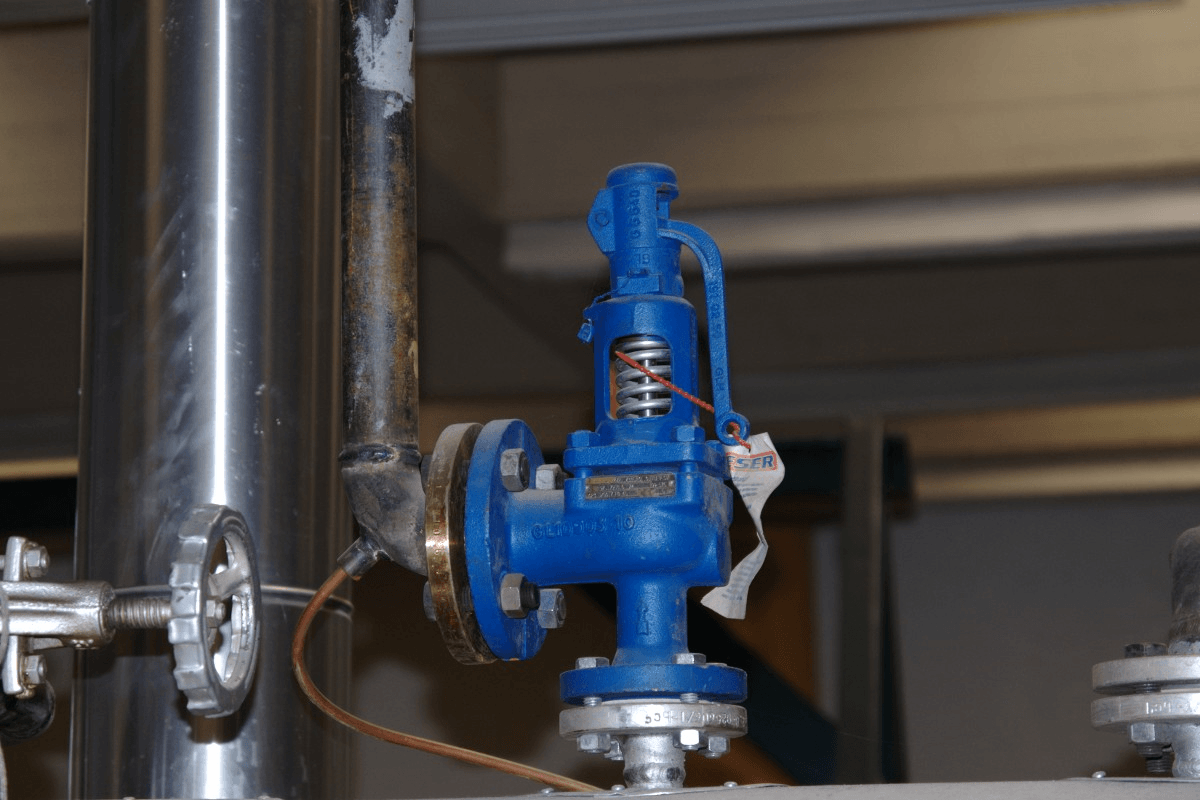
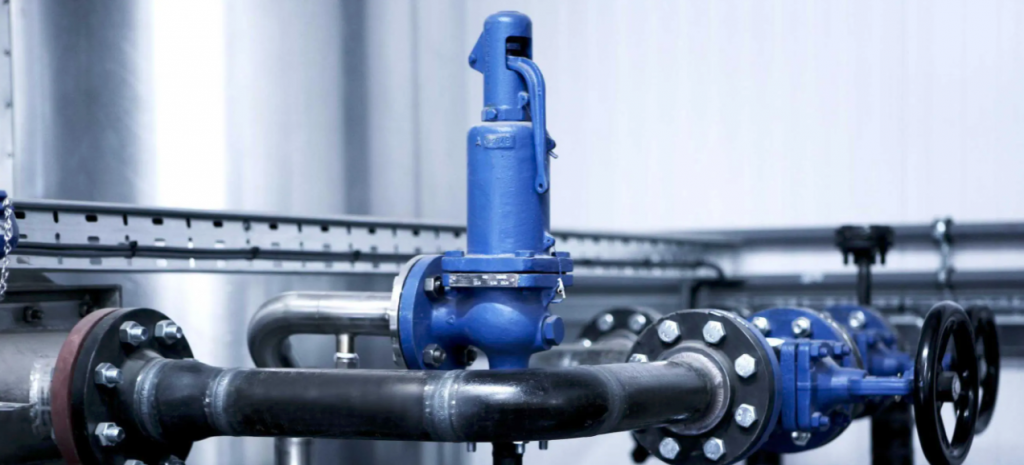
At its core, PRV backflow prevention is about ensuring that water or other fluids flow in the intended direction within a system. A Pressure Relief Valve plays a pivotal role in this by releasing excess pressure, which can otherwise lead to backflow. This mechanism protects pipes and systems from damage and contamination.
How Does a PRV Work?
A Pressure Relief Valve is designed to open at a predetermined set pressure to allow fluid to escape. This prevents pressure from building up beyond safe levels. When the pressure drops back to safe levels, the valve closes to prevent further flow. This simple yet effective mechanism is crucial for preventing backflow.
The Importance of Backflow Prevention
Backflow can cause significant issues in plumbing systems, including contamination of potable water supplies. This is why PRV backflow prevention is essential. By maintaining the correct pressure levels, PRVs ensure that water flows in the correct direction, safeguarding both the system and users.
Types of PRVs Used in Backflow Prevention
There are various types of Pressure Relief Valves used in backflow prevention, each designed for specific applications. Some common types include:
- Spring-loaded PRVs
- Pilot-operated PRVs
- Balanced PRVs
Each of these types has unique features that make them suitable for different scenarios in plumbing and industrial systems.
Spring-loaded PRVs
Spring-loaded PRVs are the most common type of pressure relief valves. They use a spring to control the opening and closing of the valve. This design is simple and effective for many applications.
Pilot-operated PRVs
Pilot-operated PRVs are more complex and are used in situations where precise control is needed. They use a pilot valve to control the main valve, offering more accuracy in pressure control.
Balanced PRVs
Balanced PRVs are designed to handle back pressure and are ideal for systems where high back pressure might be a concern. They are used in applications requiring stable and reliable performance.
Applications of PRV Backflow Prevention
PRV backflow prevention is crucial in various industries, including:
- Water treatment plants
- Food and beverage production
- Pharmaceutical manufacturing
- Heating and cooling systems
In each of these applications, maintaining the correct flow direction is essential for efficiency and safety.
Water Treatment Plants
In water treatment plants, backflow prevention ensures that clean water is not contaminated. PRVs play a vital role in maintaining the integrity of water distribution systems.
Food and Beverage Production
In the food and beverage industry, maintaining sanitary conditions is paramount. PRV backflow prevention helps ensure that production processes remain uncontaminated.
Pharmaceutical Manufacturing
Pharmaceutical manufacturing requires stringent quality control. PRVs help prevent cross-contamination and ensure that production processes remain within safe pressure limits.
Challenges in Implementing PRV Backflow Prevention
While PRV backflow prevention is critical, implementing it comes with its challenges. These include:
- System complexity
- Maintenance requirements
- Cost considerations
Addressing these challenges is essential to ensure effective backflow prevention.
System Complexity
Plumbing systems can be complex, and integrating PRVs requires careful planning and design to ensure they function correctly.
Maintenance Requirements
Regular maintenance is crucial for PRVs to function effectively. This includes routine inspections and testing to ensure they operate within specified parameters.
Cost Considerations
Implementing PRV backflow prevention can be costly, but the benefits in terms of safety and system integrity often outweigh the initial investment.
Benefits of PRV Backflow Prevention
The benefits of implementing PRV backflow prevention are numerous and include:
- Enhanced system safety
- Protection of potable water
- Improved system efficiency
- Reduced risk of contamination
These benefits highlight the importance of investing in reliable backflow prevention solutions.
Enhanced System Safety
By preventing backflow, PRVs help ensure that plumbing systems operate safely, reducing the risk of damage and accidents.
Protection of Potable Water
PRV backflow prevention safeguards potable water supplies by preventing contaminants from entering the system.
Improved System Efficiency
Properly functioning PRVs help maintain system efficiency by ensuring that pressure levels remain within optimal ranges.
FAQs About PRV Backflow Prevention
What is the primary function of a PRV?
The primary function of a PRV is to release excess pressure from a system to prevent damage and contamination.
How often should PRVs be maintained?
PRVs should be inspected and maintained regularly, typically every six months to a year, depending on the application.
Can PRVs fail?
Yes, PRVs can fail if not properly maintained, which is why regular inspections and maintenance are crucial.
For more information on how pressure relief valves work, you can visit the external link.
Additionally, for insights on impact of system backpressure or understanding PRV blow-off, refer to these guides.
This article contains affiliate links. We may earn a commission at no extra cost to you.