In the ever-evolving world of industrial engineering, understanding the nuances of essential components like Pressure Relief Valves (PRVs) is crucial. One aspect that stands out is PRV sealing technology, a pivotal element in ensuring efficiency and safety in various systems. In this comprehensive guide, we delve into the intricacies of PRV sealing technology, exploring its significance, components, and the latest innovations.
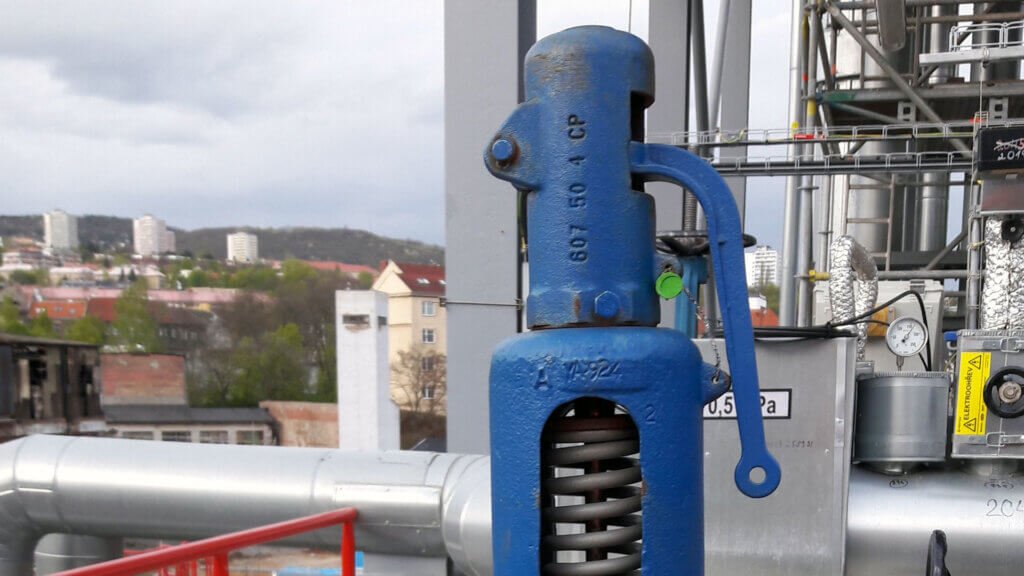
What is PRV Sealing Technology?
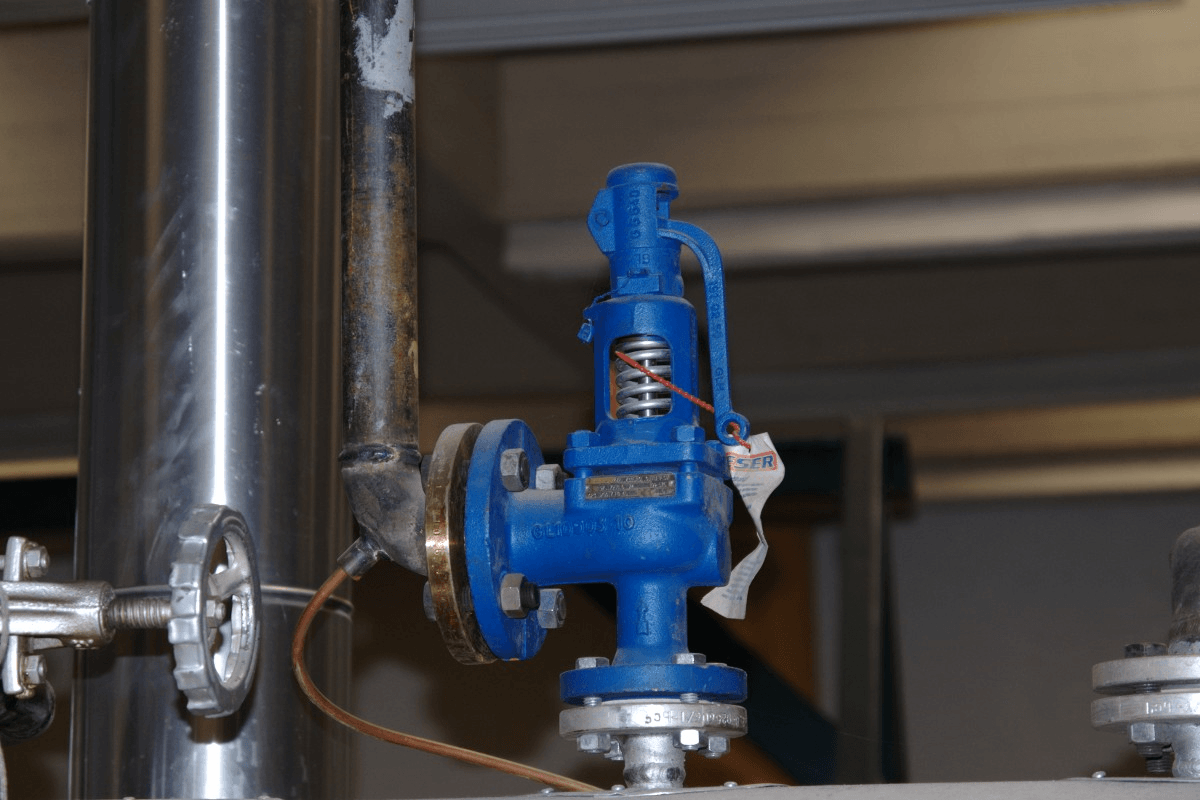
PRV sealing technology refers to the mechanisms and materials used to ensure a secure seal within Pressure Relief Valves. This technology is vital in maintaining system integrity, preventing leaks, and ensuring the valve functions correctly under different pressures. The primary goal is to create a reliable seal that can withstand the demands of various industrial applications.
The Importance of PRV Sealing Technology
The significance of PRV sealing technology cannot be overstated. In industrial settings, pressure relief valves play a critical role in protecting equipment and personnel from overpressure situations. A secure seal ensures that the valve opens and closes at the correct pressure levels, preventing potential accidents and maintaining operational efficiency. Moreover, it helps in reducing maintenance costs and prolonging the lifespan of the equipment.
Key Components of PRV Sealing Technology
The effectiveness of PRV sealing technology lies in its components. These typically include the valve body, seat, disc, and seals. Each part must be designed and manufactured to precise standards to ensure a reliable seal. The choice of materials, such as metals or elastomers, also plays a significant role in determining the valve’s performance under various conditions.
Innovations in PRV Sealing Technology
Recent advancements in PRV sealing technology have focused on improving materials and design to enhance performance. Innovations such as self-adjusting seals, advanced coatings, and the use of composite materials have significantly increased the reliability and durability of pressure relief valves. These developments aim to address common challenges like wear and tear, temperature fluctuations, and chemical exposure.
Applications of PRV Sealing Technology
PRV sealing technology is employed across various industries, from oil and gas to pharmaceuticals. Each sector demands specific requirements based on the operational environment, necessitating customized solutions. For instance, in the chemical industry, valves must resist corrosion, while in the food industry, they must comply with strict hygiene standards.
Challenges in PRV Sealing Technology
Despite its advancements, PRV sealing technology faces several challenges. These include addressing the effects of system backpressure, ensuring proper valve orientation, and managing pulsation in pressure relief valves. Understanding these challenges and implementing solutions is key to optimizing the performance and safety of pressure relief systems. For more insights on system backpressure, visit Backpressure Impact.
Future Trends in PRV Sealing Technology
The future of PRV sealing technology looks promising, with ongoing research and development aimed at enhancing safety and efficiency. Trends such as the integration of IoT for real-time monitoring, the use of AI for predictive maintenance, and the development of eco-friendly materials are set to revolutionize the industry. These innovations promise to deliver smarter, more sustainable solutions for industrial applications.
Conclusion
As we have seen, PRV sealing technology is a critical component in the safe and efficient operation of pressure relief systems. Its significance spans across various industries, and the ongoing innovations are set to further enhance its reliability and performance. By understanding and leveraging these advancements, industrial engineers can ensure optimal safety and functionality in their operations.
FAQs
What materials are commonly used in PRV sealing?
Common materials include metals like stainless steel and high-performance elastomers, chosen based on the application’s specific requirements.
How does PRV sealing technology improve safety?
By ensuring a reliable seal, this technology prevents leaks and maintains correct pressure levels, reducing the risk of accidents.
What are the latest trends in PRV sealing technology?
Trends include IoT integration, AI for maintenance, and the development of eco-friendly materials.
For more detailed information on pressure relief valves, please visit Norgren’s Blog.
This article contains affiliate links. We may earn a commission at no extra cost to you.