In the world of industrial engineering, maintaining the integrity and performance of equipment is paramount. One of the challenges faced is dealing with PRV pressure drift issues, which can significantly impact the safety and efficiency of operations. Pressure relief valves (PRV) are critical components in various systems, designed to protect against overpressure by releasing excess pressure. However, when these valves experience pressure drift, it can lead to unforeseen problems.
What Are PRV Pressure Drift Issues?
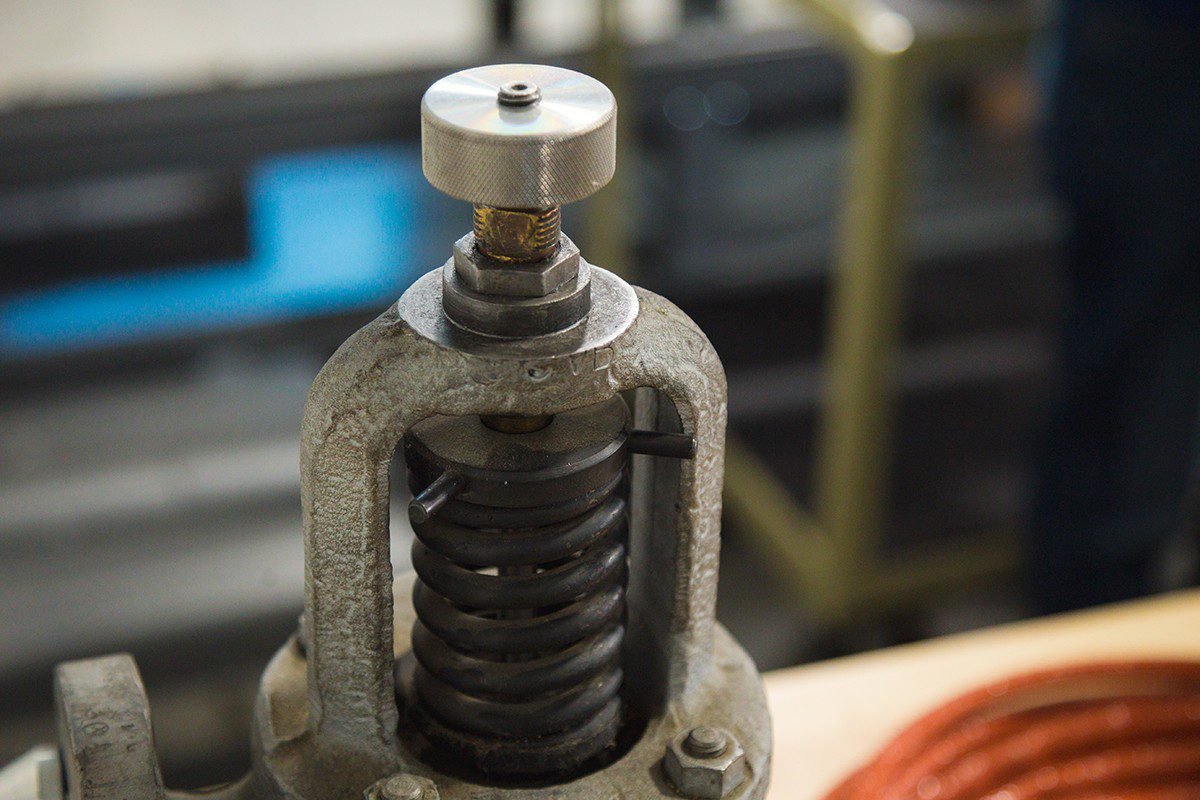
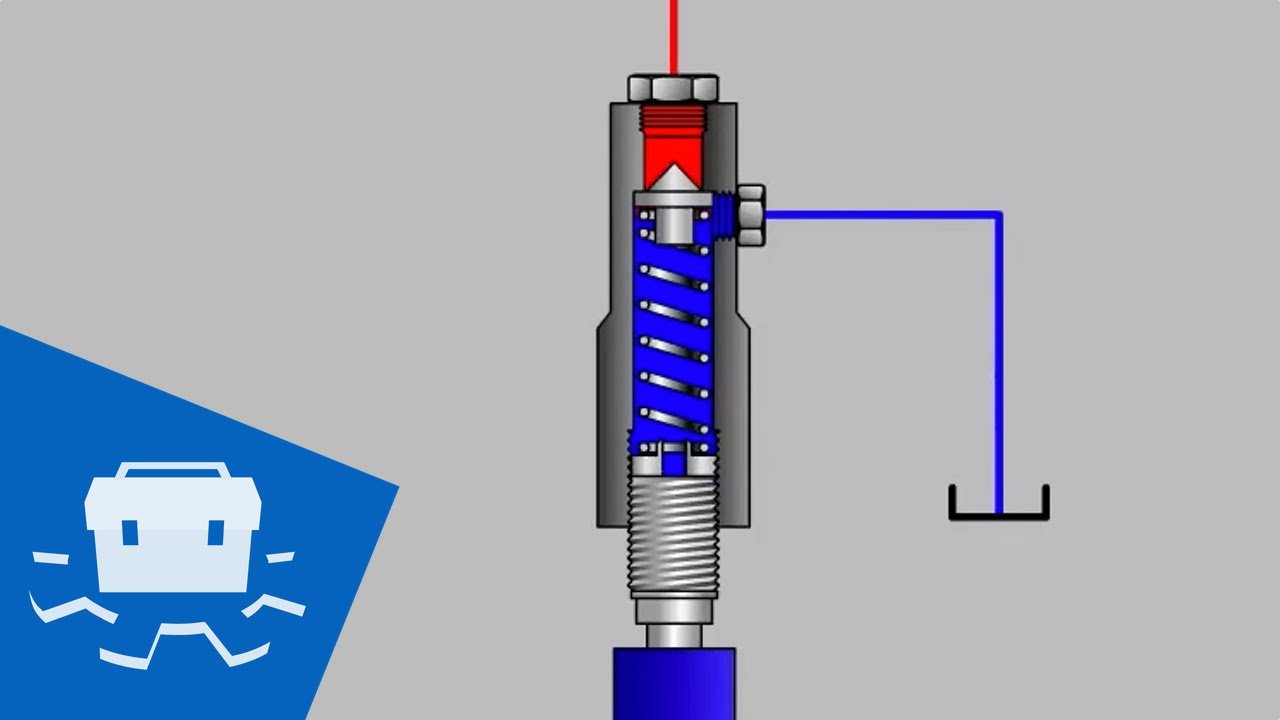
To fully comprehend PRV pressure drift issues, it’s essential to understand what pressure drift means. In simple terms, pressure drift occurs when the set pressure of a valve changes over time without any intentional adjustment. This drift can lead to valves activating at incorrect pressures, either too early or too late, potentially causing system failures or safety hazards. The primary cause of pressure drift is often attributed to wear and tear, improper maintenance, or environmental factors.
Causes of Pressure Drift
1. Wear and Tear
Over time, the mechanical components of a PRV can degrade. Springs, seals, and other parts may wear out, leading to changes in the set pressure. Regular inspection and replacement of these components can mitigate this issue. For more insights on the effects of backpressure on PRVs, visit Impact of Backpressure.
2. Improper Maintenance
Neglecting scheduled maintenance can exacerbate pressure drift. Without regular calibration and inspection, small issues can go unnoticed and develop into significant problems. Proper orientation and installation, as discussed in PRV Orientation, are also crucial.
3. Environmental Factors
Environmental conditions such as temperature fluctuations, vibration, and chemical exposure can impact the performance of pressure relief valves. These external factors can lead to material fatigue, affecting the valve’s set pressure. Understanding the difference between pressure gauges and relief valves is essential in managing these factors, see more at Pressure Gauge vs. Relief Valve.
Addressing PRV Pressure Drift
1. Regular Inspection and Maintenance
Implementing a routine maintenance schedule is vital. Regular inspections ensure that any wear and tear are identified early, and components are replaced as needed. Calibration should be performed to ensure the valve operates at the correct set pressure.
2. Environmental Controls
Where possible, control environmental conditions to minimize their impact on PRV performance. This includes managing temperature changes, reducing vibrations, and protecting against chemical exposure.
3. Upgrading Equipment
In some cases, upgrading to newer, more resilient materials or designs can help prevent pressure drift. Modern valves often have enhanced features that offer better resistance to environmental factors.
Impact on System Performance
Pressure drift can significantly impact the performance of an entire system. If a valve opens too early or too late, it can lead to overpressure or under-pressure conditions, potentially causing damage to equipment or even resulting in workplace accidents. Properly managing and mitigating pressure drift is crucial for maintaining system reliability and safety.
FAQs
1. How often should PRVs be inspected?
Regular inspections should be carried out at least annually, but the frequency may increase based on the operational environment and the manufacturer’s recommendations.
2. Can pressure drift be completely eliminated?
While it is challenging to eliminate pressure drift entirely, regular maintenance and proper installation can significantly reduce its occurrence.
3. Are there specific signs that indicate a PRV is experiencing pressure drift?
Signs include unexpected activation of the valve, changes in system pressure without an apparent cause, and increased frequency of maintenance issues.
For further reading on maintaining optimal PRV performance, visit Understanding the Function of a Pressure Relief Valve and Pressure Reducing vs. Relief Valves.
This article contains affiliate links. We may earn a commission at no extra cost to you.