
In the world of industrial engineering, maintaining efficiency and safety is paramount, and one critical component that often demands attention is the valve seat. Understanding valve seat wear and repair is essential for ensuring that machinery operates smoothly and effectively. This article delves into the intricacies of valve seat wear and offers practical insights into repair techniques. By exploring these aspects, engineers can enhance operational longevity and safety.
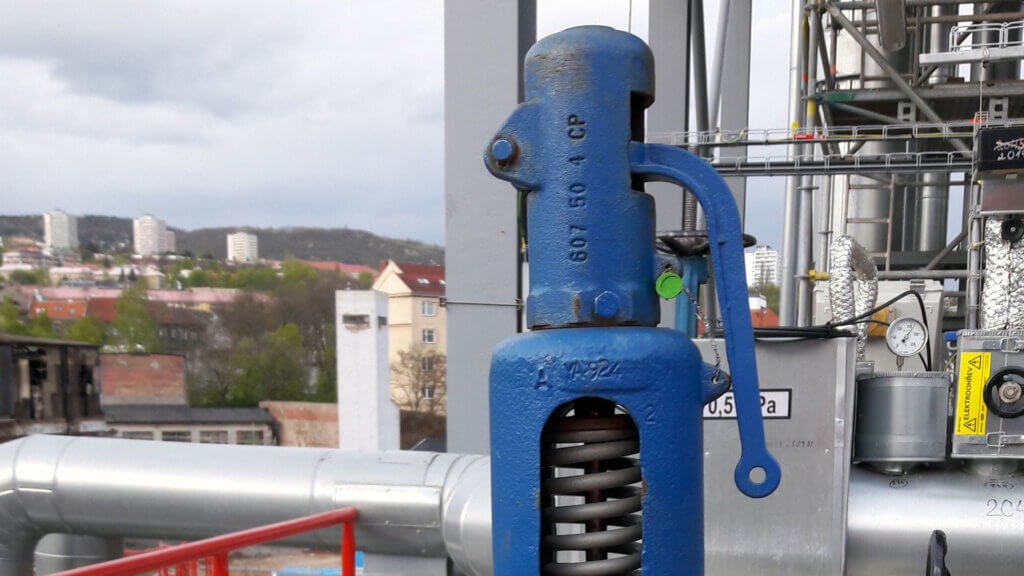
What is a Valve Seat?
A valve seat is a critical part of a valve mechanism, providing a tight seal to prevent leaks. It interfaces with the valve head to control the flow of fluids or gases. The precision and fit of this component are vital for the overall performance of any mechanical system.
Causes of Valve Seat Wear
Several factors can contribute to valve seat wear, including:
Abrasive Particles
Contaminants in the fluid can cause abrasive wear, leading to a gradual loss of material from the valve seat.
Corrosion
Chemical reactions between the valve seat material and fluids can cause corrosion, weakening the seat over time.
High Temperatures
Exposure to extreme temperatures can cause thermal expansion, leading to wear due to misalignment or material fatigue.
Identifying Valve Seat Wear
Regular inspections are crucial to identify signs of wear early. Engineers should look for:
Leakage
Any leakage past the valve when closed indicates potential wear or damage to the seat.
Reduced Performance
A decline in system efficiency can signal that the valve seat is not sealing properly.
Repairing Valve Seat Wear
Repair techniques vary based on the type and extent of wear. Common methods include:
Grinding and Lapping
This process involves smoothing the surface of the valve seat to restore a perfect seal. It’s suitable for minor wear.
Welding and Machining
For more severe wear, welding material onto the valve seat and machining it back to specification can be effective.
Preventing Valve Seat Wear
Preventive measures can extend the life of valve seats. Consider the following strategies:
Regular Maintenance
Implement a routine maintenance schedule to catch wear early and prevent extensive damage.
Use of Quality Materials
Selecting durable materials resistant to the specific conditions of the environment can reduce wear.
Role of Technology in Valve Seat Maintenance
Advanced technologies offer enhanced solutions for monitoring and maintaining valve seats.
Sensors and Monitoring Systems
Implementing sensors can provide real-time data on valve performance, allowing for timely interventions.
Importance of Professional Expertise
Consulting with professionals for valve seat maintenance ensures that the latest techniques and technologies are applied, enhancing system reliability.
Industry Case Studies
Several industries have successfully implemented advanced valve seat maintenance strategies, resulting in improved performance and reduced downtime.
Choosing the Right Repair Method
Decision-making should be informed by the type of wear and the specific operational requirements of the system.
Conclusion
Understanding and addressing valve seat wear and repair is crucial for maintaining the efficiency and safety of industrial systems. By implementing regular maintenance, utilizing quality materials, and leveraging technology, engineers can significantly enhance the lifespan and performance of valve seats.
FAQ
What are the signs of valve seat wear?
Signs include leakage, reduced system efficiency, and unusual noises during operation.
How often should valve seats be inspected?
Regular inspections should be part of routine maintenance, ideally every few months, depending on system usage.
Can valve seat wear be completely prevented?
While complete prevention is challenging, regular maintenance and the use of high-quality materials can significantly reduce wear.
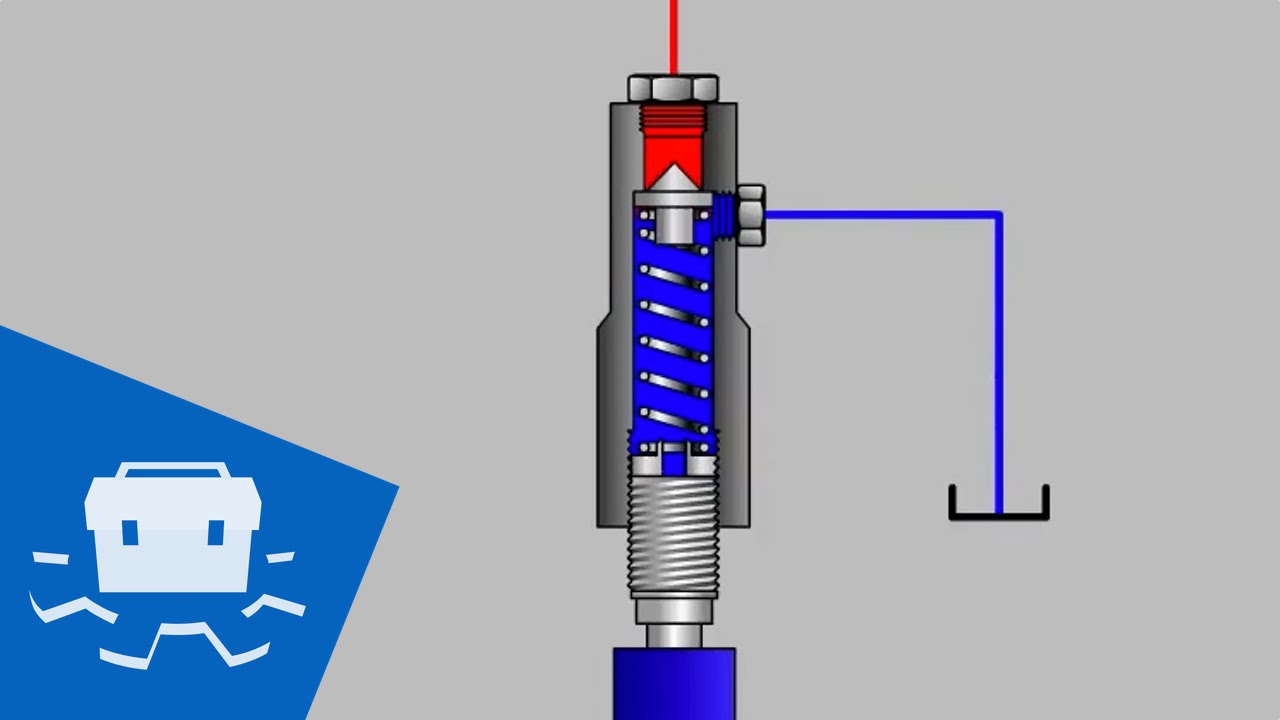
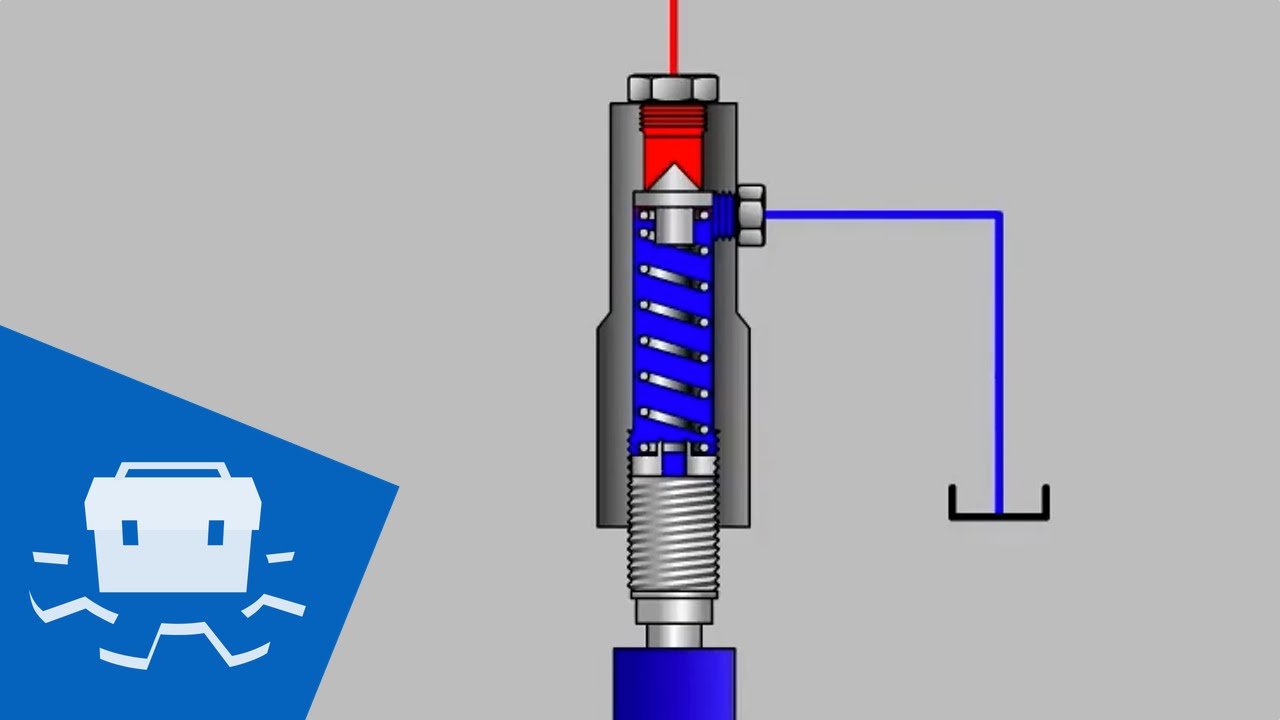
For more information, visit system backpressure and explore how it affects valve performance. Additionally, learn about relief valves and their role in maintaining system integrity.
This article contains affiliate links. We may earn a commission at no extra cost to you.