
Pressure Relief Valves (PRVs) play a vital role in ensuring safety by controlling or limiting the pressure in a system. Understanding why PRVs fail to open is crucial for maintaining the integrity and functionality of various industrial systems. When a PRV fails to open, it can lead to severe consequences, including system overpressure, equipment damage, and even catastrophic failure. In this article, we will delve into the common reasons why PRVs fail to open and provide insights into how to prevent these failures.
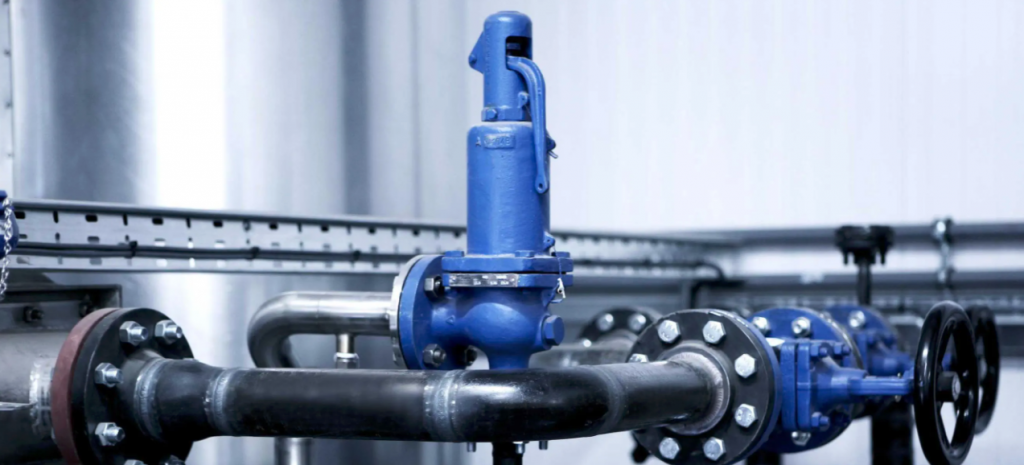
Understanding Pressure Relief Valves
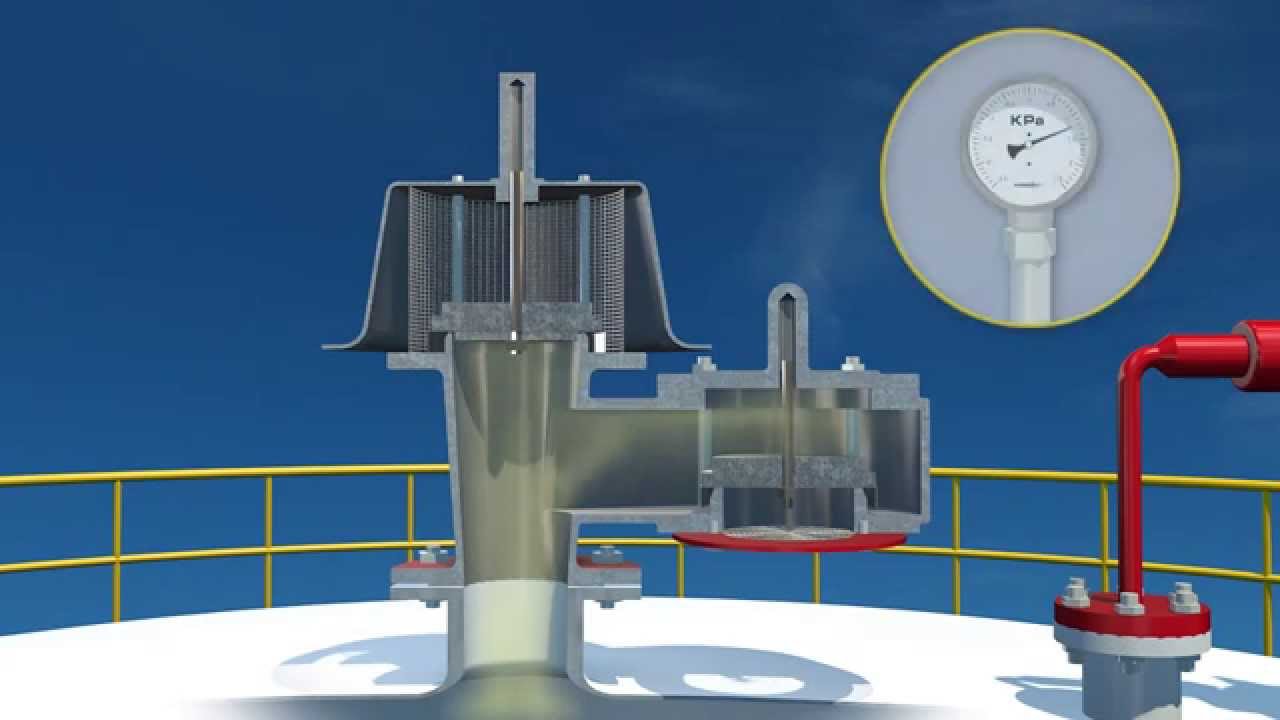
A Pressure Relief Valve is designed to release excess pressure from a system when it reaches a critical level. This release prevents potential damage to equipment and ensures the safety of operations.
The Importance of PRVs in Industrial Systems
PRVs are essential components in various industries, including oil and gas, chemical processing, and manufacturing. They act as safety devices that protect equipment and personnel from overpressure situations.
Common Causes of PRV Failures
1. Improper Installation
One of the primary reasons why PRVs fail to open is improper installation. Incorrect alignment, inadequate support, or poor sealing can lead to malfunctioning valves.
2. Blockages in the Valve
Foreign particles or debris can obstruct the valve, preventing it from opening as required. Regular maintenance and inspection can help identify and remove such blockages.
3. Corrosion and Wear
Corrosion and wear over time can affect the valve’s components, making it difficult for them to function properly. Using corrosion-resistant materials and conducting routine inspections can mitigate this issue.
4. Incorrect Set Pressure
Setting the PRV at an incorrect pressure level can lead to failure. Ensuring that the valve is calibrated to the correct pressure setting is crucial for its proper operation.
Preventive Measures to Ensure PRV Functionality
1. Regular Inspection and Maintenance
Conducting regular inspections and maintenance is key to identifying potential issues before they lead to valve failure. Checking for wear, corrosion, and blockages can help maintain the valve’s functionality.
2. Proper Installation Techniques
Adhering to proper installation techniques, such as ensuring correct alignment and support, can prevent many of the common causes of PRV failures.
3. Material Selection
Choosing the right materials for the valve and its components can enhance its durability and resistance to corrosion and wear.
Importance of Correct Pressure Settings
Ensuring that the PRV is set to the correct pressure is vital for its operation. Regular calibration and testing can help maintain the correct settings.
Case Study: Impact of System Backpressure
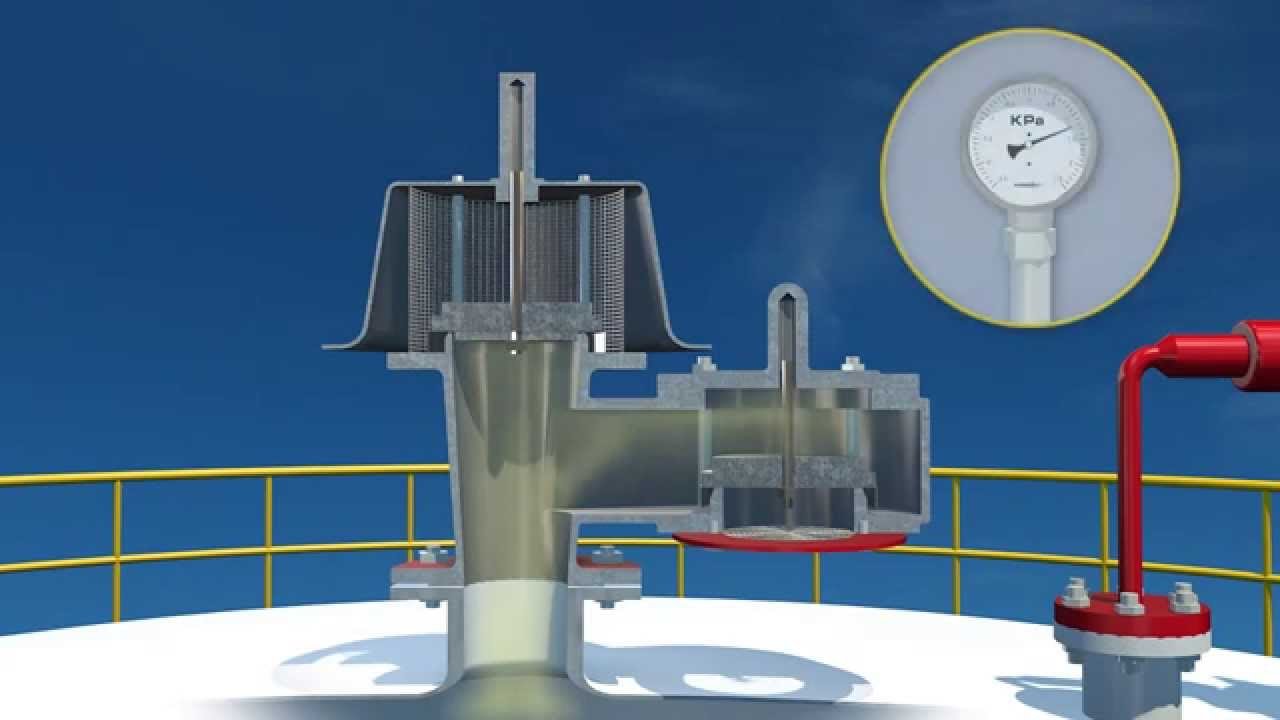
Understanding the impact of system backpressure is crucial for ensuring that PRVs function correctly. Backpressure can affect the valve’s ability to open and release pressure effectively.
The Role of Backpressure
Backpressure occurs when the discharge system creates resistance, hindering the valve’s ability to release excess pressure. This can lead to a failure in opening the valve.
Solutions to Mitigate Backpressure
Implementing proper discharge system designs and conducting regular assessments can help mitigate the impact of backpressure on PRVs.
FAQs
1. How often should PRVs be inspected?
PRVs should be inspected regularly, at least once a year, and more frequently if they are used in critical applications.
2. What materials are best for corrosion resistance in PRVs?
Materials such as stainless steel and brass are excellent for corrosion resistance in PRVs.
3. Can incorrect pressure settings be adjusted after installation?
Yes, pressure settings can be adjusted after installation, but it’s essential to follow the manufacturer’s guidelines and recommendations.
Conclusion
Understanding why PRVs fail to open is crucial for maintaining safety and efficiency in industrial systems. By addressing common causes such as improper installation, blockages, and incorrect pressure settings, industries can prevent failures and ensure the reliable operation of their systems. For further information on safety relief valves, visit the relevant resources.
This article contains affiliate links. We may earn a commission at no extra cost to you.