Pressure Relief Valves (PRVs) are crucial components in industrial systems, designed to maintain safety and prevent excessive pressure build-up. The importance of regular PRV inspection frequency cannot be overstated, as it ensures the efficient functioning of these valves and the safety of the entire system. Understanding the necessary PRV inspection frequency is vital for industrial engineers who are responsible for maintaining system integrity.
In this article, we will delve into the factors influencing PRV inspection frequency, providing a comprehensive guide for engineers to follow. We’ll explore the significance of regular inspections and offer insights into best practices for maintaining PRVs.
What are Pressure Relief Valves?
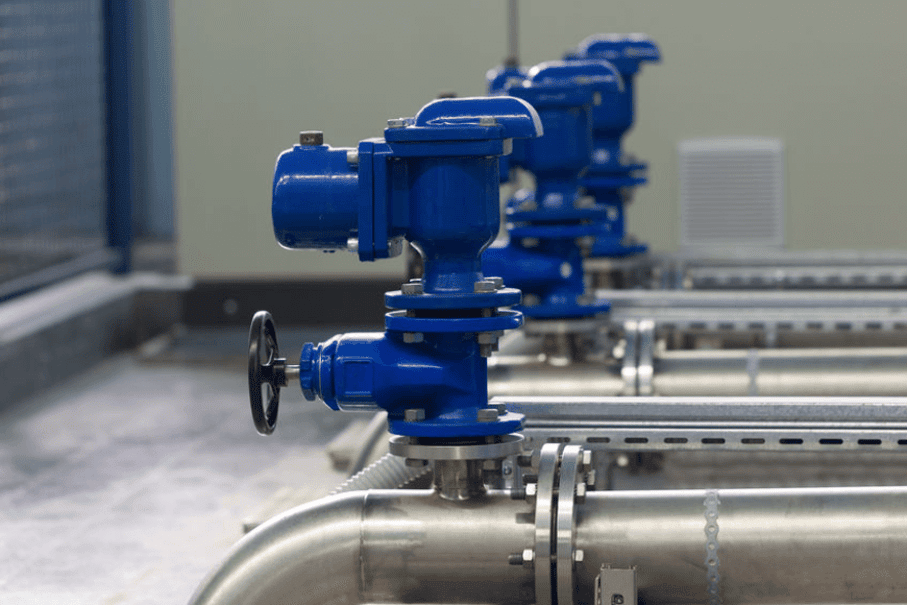
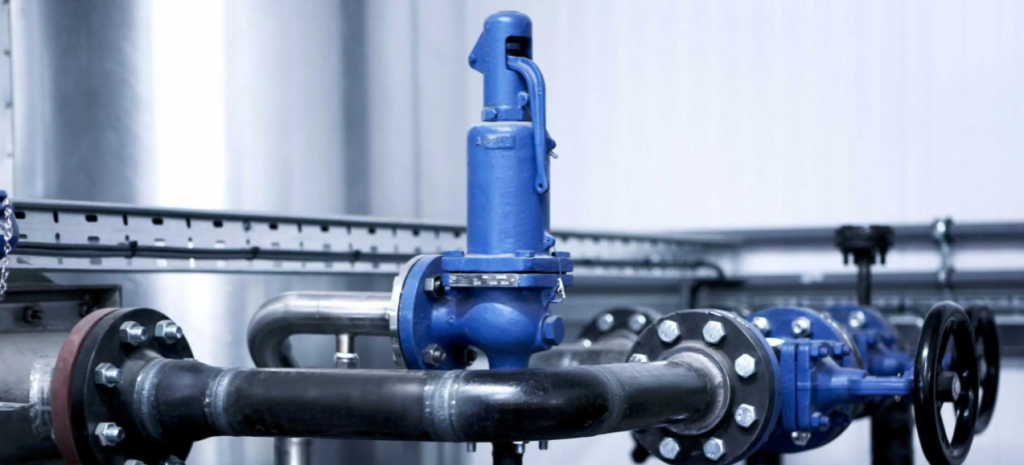
Pressure Relief Valves (PRVs) are safety mechanisms used to control or limit the pressure in a system. They are designed to release substances from a boiler, vessel, or other system when the pressure exceeds predetermined limits, thus preventing potential hazards such as equipment failure or explosions. You can learn more about the different types of valves and their uses in industrial settings by visiting Wikipedia’s article on relief valves.
Why is PRV Inspection Important?
Regular inspection of PRVs is essential because it helps in identifying potential issues before they lead to significant failures. Inspections ensure that PRVs function correctly, providing the necessary safety measures to protect both personnel and equipment.
Preventing System Failures
One of the primary reasons for regular PRV inspection frequency is the prevention of system failures. A malfunctioning PRV can lead to disastrous results, including system downtime and costly repairs. By adhering to a strict inspection schedule, engineers can mitigate these risks.
Ensuring Compliance with Standards
Regulatory bodies often mandate specific inspection frequencies to ensure safety in industrial settings. Adhering to these standards not only ensures compliance but also promotes a culture of safety within the organization.
Factors Influencing PRV Inspection Frequency
Several factors can influence the recommended frequency of PRV inspections. Understanding these can help engineers determine the appropriate schedule for their specific systems.
Type of System and Application
The type of system in which a PRV is installed can significantly influence the inspection frequency. For instance, systems operating under high pressure or temperature may require more frequent inspections compared to those operating under less strenuous conditions.
Environmental Conditions
Environmental factors such as humidity, temperature fluctuations, and exposure to corrosive elements can affect the performance of PRVs. Systems located in harsh environments may need more frequent inspections to ensure reliability.
Manufacturer’s Recommendations
Manufacturers often provide guidelines on the recommended inspection frequencies for their products. Following these recommendations can help ensure optimal performance and longevity of the PRVs.
Historical Data and Performance Records
Analyzing historical data and performance records can provide valuable insights into the reliability of PRVs. If a particular valve has a history of frequent malfunctions, it may necessitate more frequent inspections.
Best Practices for PRV Inspections
Implementing best practices for PRV inspections can help ensure the safety and efficiency of industrial systems. Here are some key strategies to consider:
Developing a Comprehensive Inspection Plan
Creating a detailed inspection plan tailored to the specific needs of your system is crucial. This plan should outline the frequency of inspections, the personnel responsible, and the specific checks to be performed.
Training and Certification of Personnel
Ensuring that personnel conducting the inspections are adequately trained and certified is essential. Proper training ensures that inspections are thorough and that any potential issues are accurately identified.
Utilizing Advanced Inspection Technologies
Leveraging advanced technologies such as ultrasonic testing and infrared thermography can enhance the accuracy of inspections. These technologies allow for non-invasive inspections, reducing the risk of damage to the PRVs during the process.
Regularly Reviewing and Updating Inspection Protocols
As new technologies and standards emerge, it is important to regularly review and update inspection protocols. This ensures that your inspection practices remain current and effective.
Common Challenges in PRV Inspections
While regular inspections are crucial, they can present certain challenges that engineers need to address.
Access and Space Constraints
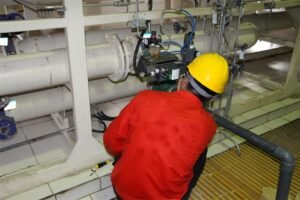
In some systems, PRVs may be located in hard-to-reach areas, making inspections difficult. Engineers must devise strategies to overcome these challenges, such as utilizing specialized tools or techniques.
Minimizing Downtime During Inspections
Scheduling inspections in a manner that minimizes system downtime is a common challenge. Coordinating inspections during planned maintenance periods can help reduce disruptions to operations.
Balancing Cost and Safety
While regular inspections are necessary, they also incur costs. Engineers must strike a balance between maintaining safety and managing expenses. Investing in efficient inspection practices can help optimize costs.
Case Study: Effective PRV Inspection Strategies
To illustrate the importance and effectiveness of regular PRV inspection frequency, let’s examine a case study of a manufacturing facility that successfully implemented a comprehensive inspection strategy.
By adopting a proactive approach to PRV inspections, the facility significantly reduced the incidence of valve failures and improved overall safety. The strategy involved regular training for personnel, the use of advanced inspection technologies, and continuous monitoring of system performance.
Conclusion
Understanding and adhering to the appropriate PRV inspection frequency is crucial for maintaining the safety and efficiency of industrial systems. By considering factors such as system type, environmental conditions, and historical performance, engineers can develop effective inspection strategies. Implementing best practices and overcoming challenges will ensure the continued reliability of PRVs, ultimately protecting both personnel and equipment.
For more insights on related topics, you can explore articles on proper PRV orientation and the difference between pressure gauges and PRVs.
FAQs
What is the recommended PRV inspection frequency?
The recommended PRV inspection frequency varies based on several factors, including system type, environmental conditions, and manufacturer’s guidelines. Engineers should tailor the inspection schedule to the specific needs of their systems.
Can advanced technologies improve PRV inspections?
Yes, advanced technologies such as ultrasonic testing and infrared thermography can enhance the accuracy of PRV inspections, allowing for non-invasive checks and reducing the risk of damage.
Why is compliance with standards important?
Compliance with regulatory standards ensures the safety of industrial systems and promotes a culture of safety within the organization. It also helps avoid potential legal and financial repercussions.
This article contains affiliate links. We may earn a commission at no extra cost to you.