In the realm of industrial engineering, ensuring the safety and efficiency of systems is paramount. One crucial component in this equation is the PRV testing equipment. Pressure Relief Valves (PRVs) are vital for maintaining safe pressure levels within various industrial systems. Proper testing of these valves ensures they function correctly, preventing potential disasters.
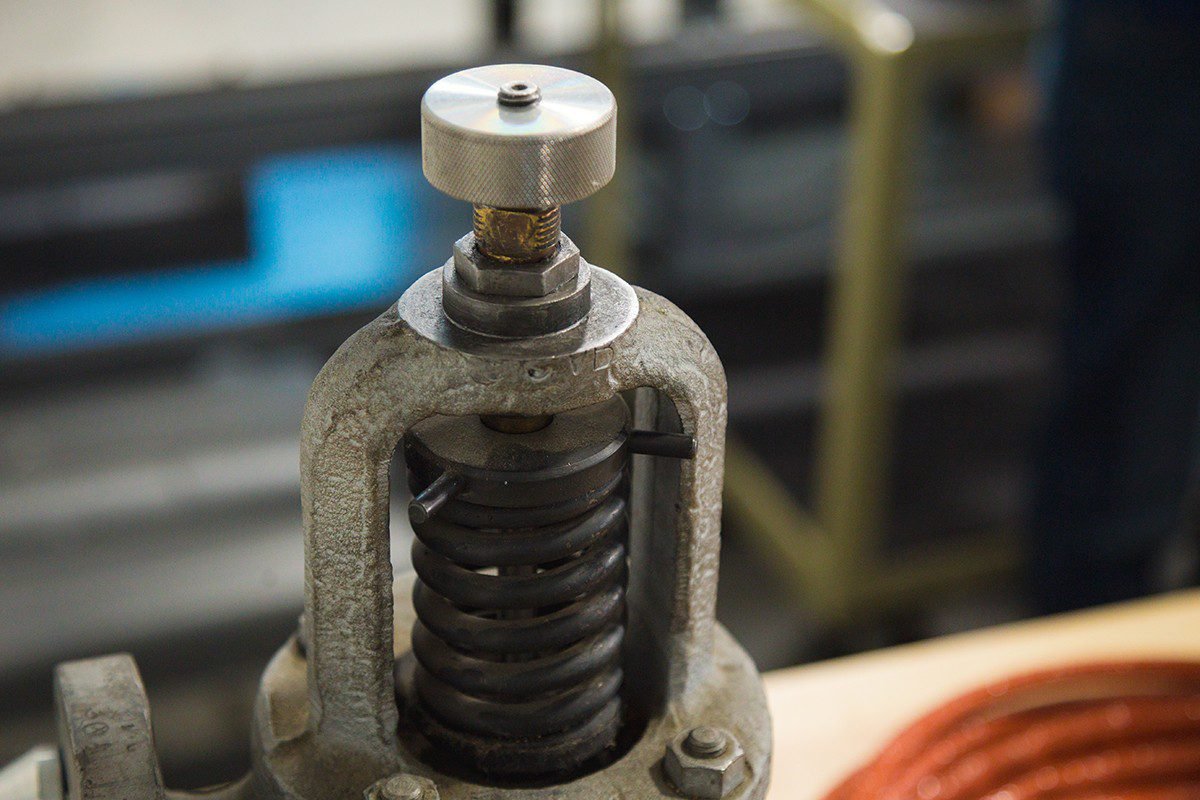
Understanding Pressure Relief Valves (PRVs)
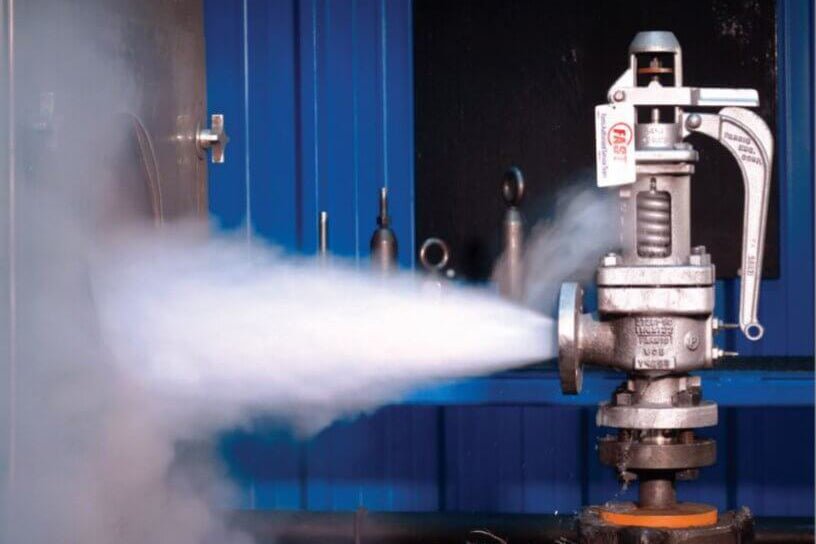
Pressure Relief Valves are designed to release excess pressure from a system. They act as a safety mechanism, preventing equipment damage or catastrophic failure. PRVs are commonly used in industries such as oil and gas, chemical processing, and manufacturing.
Why PRV Testing is Important
Regular testing of PRVs is essential to ensure their reliability. Over time, these valves can become clogged, corroded, or otherwise compromised. By using PRV testing equipment, engineers can verify that valves will operate correctly when needed.
Types of PRV Testing Equipment
There are various types of PRV testing equipment, each designed for specific applications. Some common types include:
Hydrostatic Testers
Hydrostatic testing involves filling the valve with water and pressurizing it to check for leaks or weaknesses. This method is widely used due to its effectiveness in identifying potential failures.
Pneumatic Testers
Pneumatic testers use air or gas to test the valve’s functionality. This method is suitable for systems where water cannot be used.
Electronic Testers
These devices use electronic sensors and software to provide precise data on valve performance. They are ideal for detailed analysis and documentation.
Steps in PRV Testing
Testing a PRV involves several steps to ensure thorough evaluation. The process typically includes:
Visual Inspection
Before testing, conduct a visual inspection to check for obvious signs of damage or wear. Look for corrosion, leaks, or physical damage.
Functional Testing
Using the appropriate PRV testing equipment, perform a functional test to ensure the valve opens and closes at the correct pressure levels.
Data Analysis
Analyze the data collected during testing to determine the valve’s condition. This analysis helps identify any necessary repairs or replacements.
Challenges in PRV Testing
While PRV testing is essential, it presents certain challenges. These include:
Access and Location
PRVs are often located in hard-to-reach areas, making testing more difficult. Engineers must use specialized tools and techniques to access these valves.
Environmental Conditions
Harsh environmental conditions can affect testing accuracy. Engineers must account for temperature, humidity, and other factors during the testing process.
Best Practices for PRV Testing
To ensure effective PRV testing, follow these best practices:
Regular Maintenance
Schedule regular maintenance and testing to catch potential issues early. This proactive approach can prevent costly repairs and downtime.
Training and Certification
Ensure that personnel conducting the tests are properly trained and certified. This ensures accurate testing and reliable results.
Documentation
Keep detailed records of all tests and maintenance activities. This documentation is valuable for future reference and regulatory compliance.
The Role of Technology in PRV Testing
Advancements in technology have greatly improved PRV testing equipment. Modern devices offer enhanced accuracy, efficiency, and safety features. Some innovations include:
Automated Testing Systems
Automated systems streamline the testing process, reducing human error and increasing consistency.
Remote Monitoring
Remote monitoring allows engineers to track valve performance in real-time, enabling prompt response to any issues.
Case Studies: Successful PRV Testing
Several industries have seen significant benefits from implementing rigorous PRV testing programs. For example, a chemical processing plant reduced downtime by 30% after adopting a comprehensive testing regimen. Similarly, an oil refinery improved safety standards by upgrading their testing equipment.
Conclusion
PRV testing equipment is an essential tool for industrial engineers. By ensuring the proper functioning of Pressure Relief Valves, these professionals play a crucial role in maintaining safety and efficiency in various industries. Embracing technological advancements and following best practices can further enhance the effectiveness of PRV testing.
FAQs
1. Why is PRV testing necessary? Regular PRV testing is crucial to ensure valves function correctly, preventing equipment damage and ensuring safety.
2. What types of testing equipment are available? Common types include hydrostatic testers, pneumatic testers, and electronic testers.
3. How often should PRVs be tested? The frequency of testing depends on the specific application and industry regulations. However, regular testing is recommended to maintain safety and reliability.
For more detailed insights, you can visit this external resource.
This article contains affiliate links. We may earn a commission at no extra cost to you.