
In industrial settings, safeguarding equipment and ensuring operational safety is paramount. The API standards for pressure relief play a crucial role in achieving these objectives. These standards are meticulously designed to guide the selection, installation, and maintenance of pressure relief devices. For industrial engineers, understanding these standards is essential for optimizing safety and efficiency.
What Are API Standards?
The American Petroleum Institute (API) develops standards that are widely adopted across the oil and gas industry. These standards ensure that equipment and processes meet stringent safety and quality criteria. Among these, the API standards for pressure relief are particularly critical as they focus on preventing equipment failure due to overpressure scenarios.
The Importance of Pressure Relief Systems
Pressure relief systems are an integral component of industrial operations. They prevent pressure build-up that could lead to catastrophic failures. By adhering to the API standards for pressure relief, industries can mitigate risks associated with overpressure, ensuring the safety of both personnel and equipment.
Key Components of API Pressure Relief Standards
The API standards encompass a range of guidelines and specifications aimed at different aspects of pressure relief systems. These include design criteria, material selection, installation procedures, and maintenance practices. Understanding these components helps engineers implement effective pressure relief solutions.
Design Criteria for Pressure Relief Devices
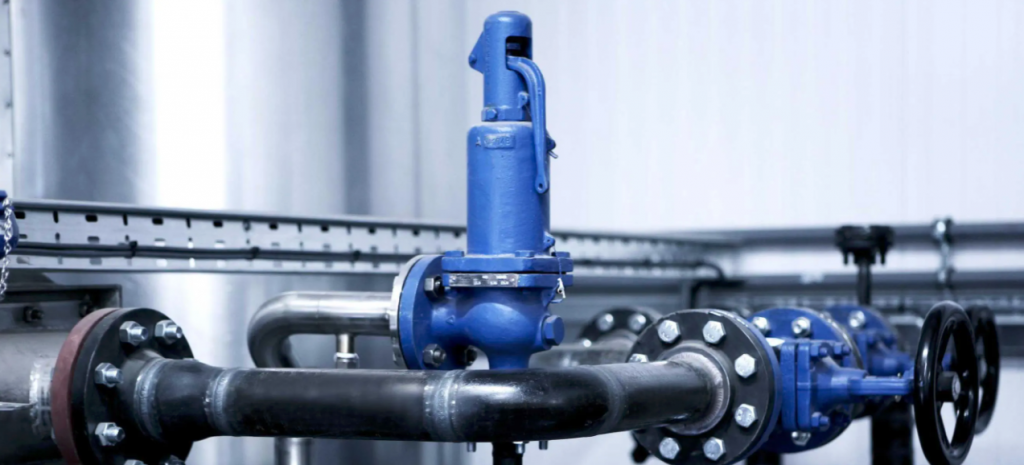
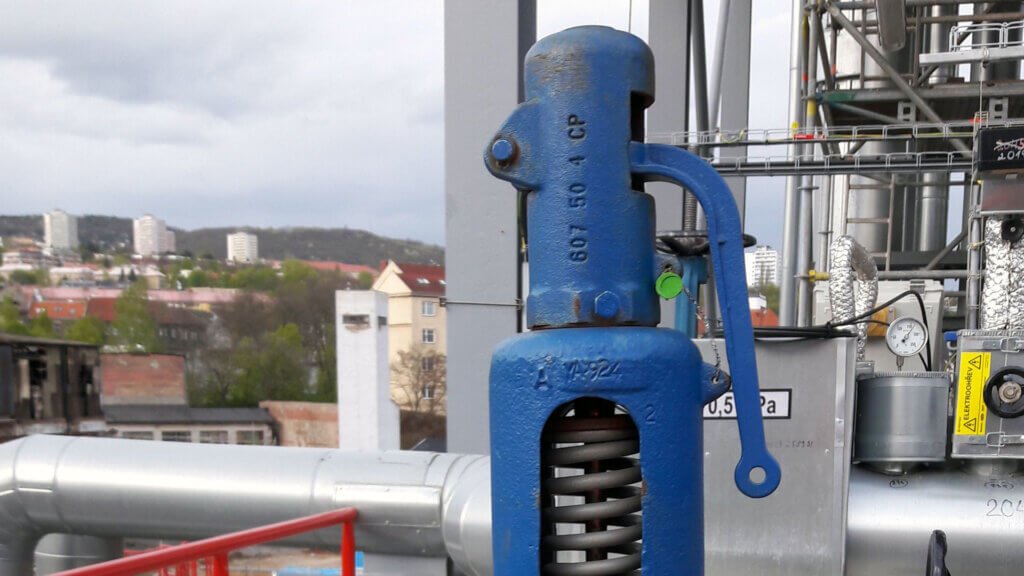
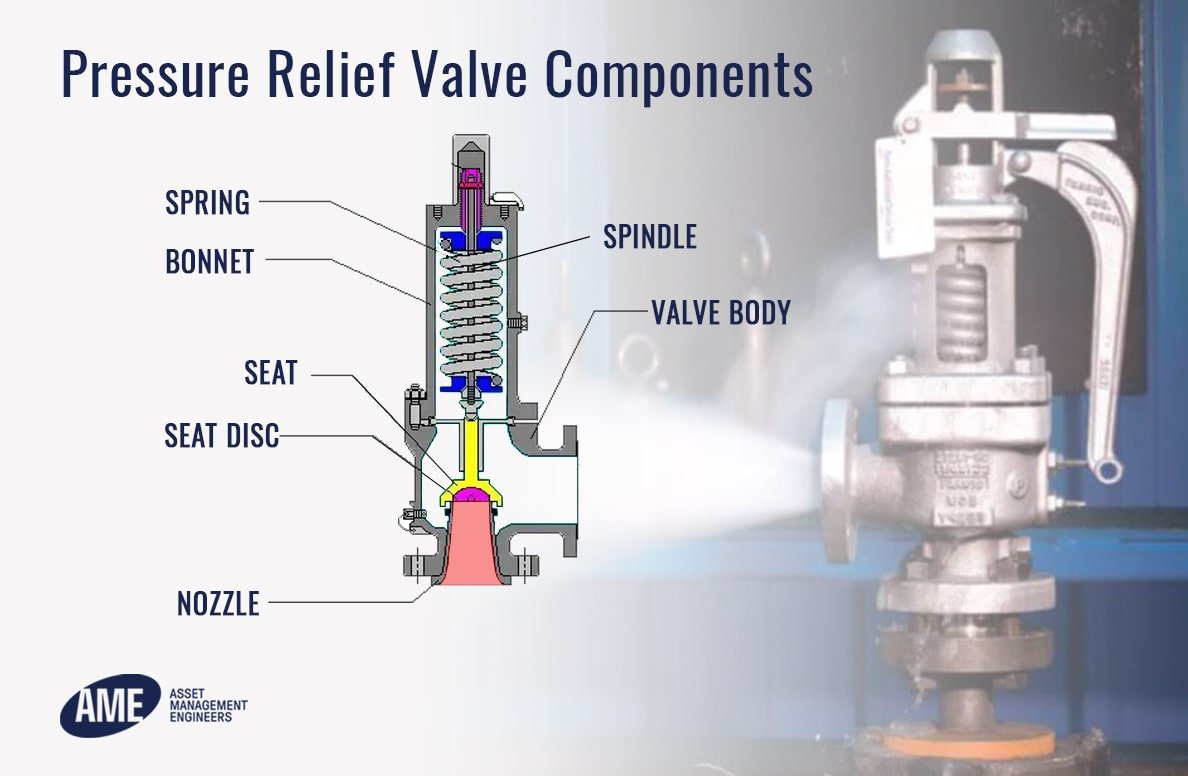
One of the primary focuses of the API standards is the design of pressure relief devices. These standards provide detailed guidelines on the sizing and selection of relief valves, ensuring they can handle the maximum anticipated pressure. Proper design is crucial for the reliability and effectiveness of these devices.
Material Selection and API Standards
Material selection is another critical aspect covered by the API standards for pressure relief. The standards specify materials that can withstand various operating conditions, such as temperature extremes and corrosive environments. This ensures that the pressure relief devices maintain their integrity and performance over time.
Installation Procedures
Installing pressure relief devices according to API standards is vital for their proper functioning. The guidelines cover aspects such as valve orientation, piping connections, and support structures. Proper installation minimizes the risk of malfunction and enhances the overall safety of the system.
Maintenance and Testing
Regular maintenance and testing are essential for ensuring the continued performance of pressure relief devices. The API standards provide recommendations for routine inspections, testing procedures, and maintenance schedules. Adhering to these guidelines helps identify and address potential issues before they lead to equipment failure.
Challenges in Implementing API Standards
While the API standards for pressure relief are comprehensive, implementing them can present challenges. Factors such as budget constraints, resource availability, and operational demands can impact adherence to these standards. However, overcoming these challenges is essential for ensuring safety and compliance.
Technological Advancements and API Standards
Technological advancements continue to influence the development and implementation of API standards. Innovations in materials, design techniques, and monitoring technologies are enhancing the effectiveness of pressure relief systems. Staying updated with these advancements is crucial for industrial engineers.
The Role of Training and Education
Proper training and education are vital for ensuring that personnel understand and implement the API standards effectively. Training programs and educational resources provide engineers with the knowledge and skills needed to design, install, and maintain pressure relief systems in accordance with these standards.
Integration with Other Industry Standards
The API standards for pressure relief are often integrated with other industry standards, such as those from the International Organization for Standardization (ISO) and the American Society of Mechanical Engineers (ASME). This integration ensures a comprehensive approach to safety and quality in industrial operations.
Case Studies: Successful Implementation
Examining case studies of successful implementation of API standards provides valuable insights for industrial engineers. These real-world examples highlight the benefits of adhering to the standards and demonstrate how challenges can be overcome to achieve optimal safety and efficiency.
Future Trends in Pressure Relief Standards
The field of pressure relief is continuously evolving. Future trends may include further advancements in materials, design methodologies, and monitoring technologies. Staying informed about these trends will help engineers anticipate changes and adapt their practices accordingly.
Conclusion: The Impact of API Standards on Industry
The API standards for pressure relief have a significant impact on the safety and efficiency of industrial operations. By adhering to these standards, engineers can effectively mitigate the risks associated with overpressure scenarios. As the industry evolves, staying informed about advancements and maintaining compliance with the standards will remain essential for ensuring the continued success of industrial operations.
FAQs
What are the API standards for pressure relief?
The API standards for pressure relief are guidelines developed by the American Petroleum Institute to ensure the safety and efficiency of pressure relief systems in industrial settings.
Why are API standards important for pressure relief systems?
API standards ensure that pressure relief systems are designed, installed, and maintained to prevent equipment failure and ensure safety in industrial operations.
How do technological advancements impact API standards?
Technological advancements influence the development of API standards by introducing new materials, design techniques, and monitoring technologies, enhancing the effectiveness of pressure relief systems.
For more detailed information on pressure relief valves, visit this guide.
Learn more about system backpressure, PRV orientation, and pulsation in valves on Valvex.ai.
This article contains affiliate links. We may earn a commission at no extra cost to you.