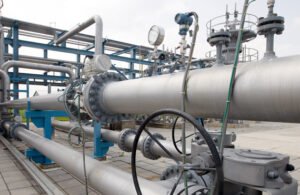
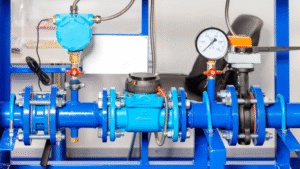
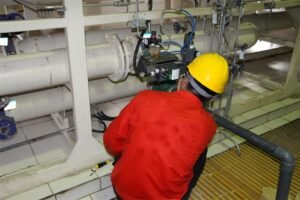
When it comes to maintaining the efficiency and safety of fuel systems, understanding the role of a Pressure Relief Valve (PRV) is crucial. In the industrial world, PRVs are vital components that ensure the safe operation of fuel systems. But what exactly is a PRV for fuel systems, and why is it so important?
A Pressure Relief Valve is designed to control or limit the pressure in a system. If the pressure in a system surpasses a predetermined limit, the PRV opens to allow the excess pressure to escape, thereby preventing equipment failure or even catastrophic accidents. In fuel systems, maintaining proper pressure levels is essential for both safety and performance.
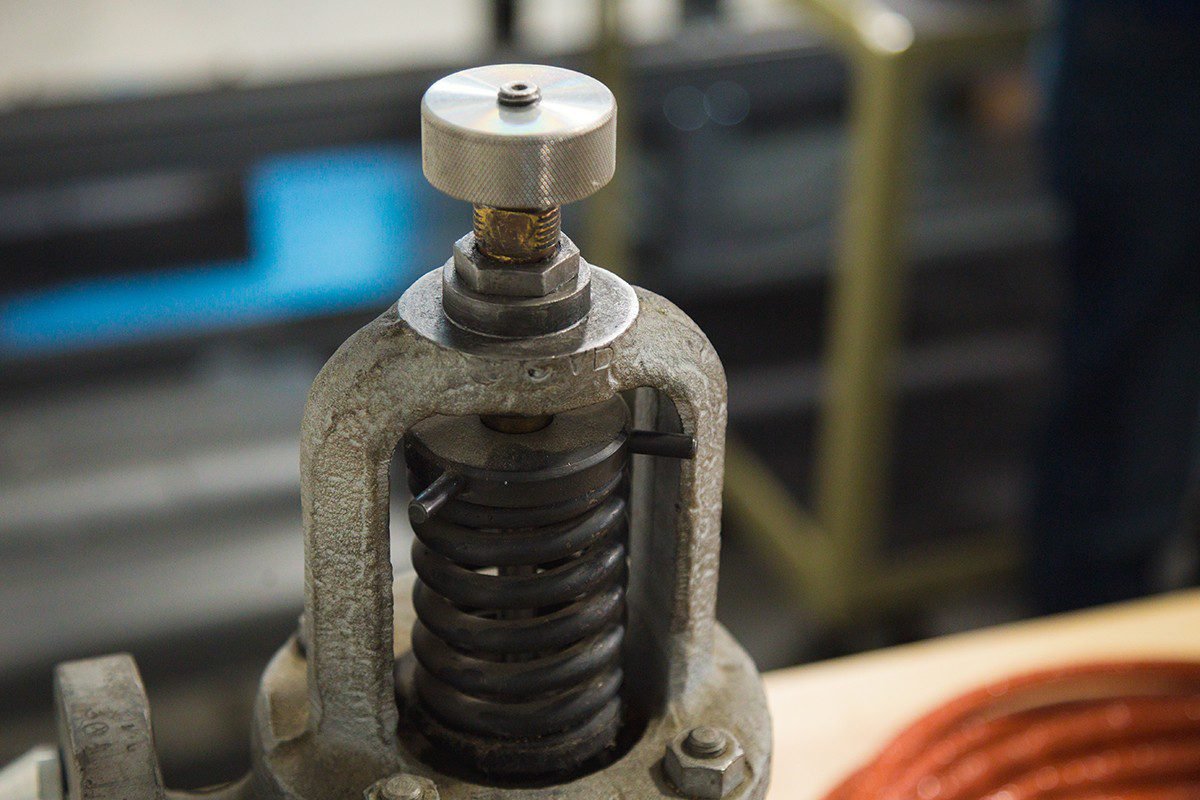
How PRVs Work in Fuel Systems
In fuel systems, the PRV serves as a fail-safe mechanism. It is strategically placed to prevent pressure build-up that could potentially damage the system. By releasing excess pressure, it ensures the system runs smoothly and efficiently. Learn more about relief valves.
Components of a PRV
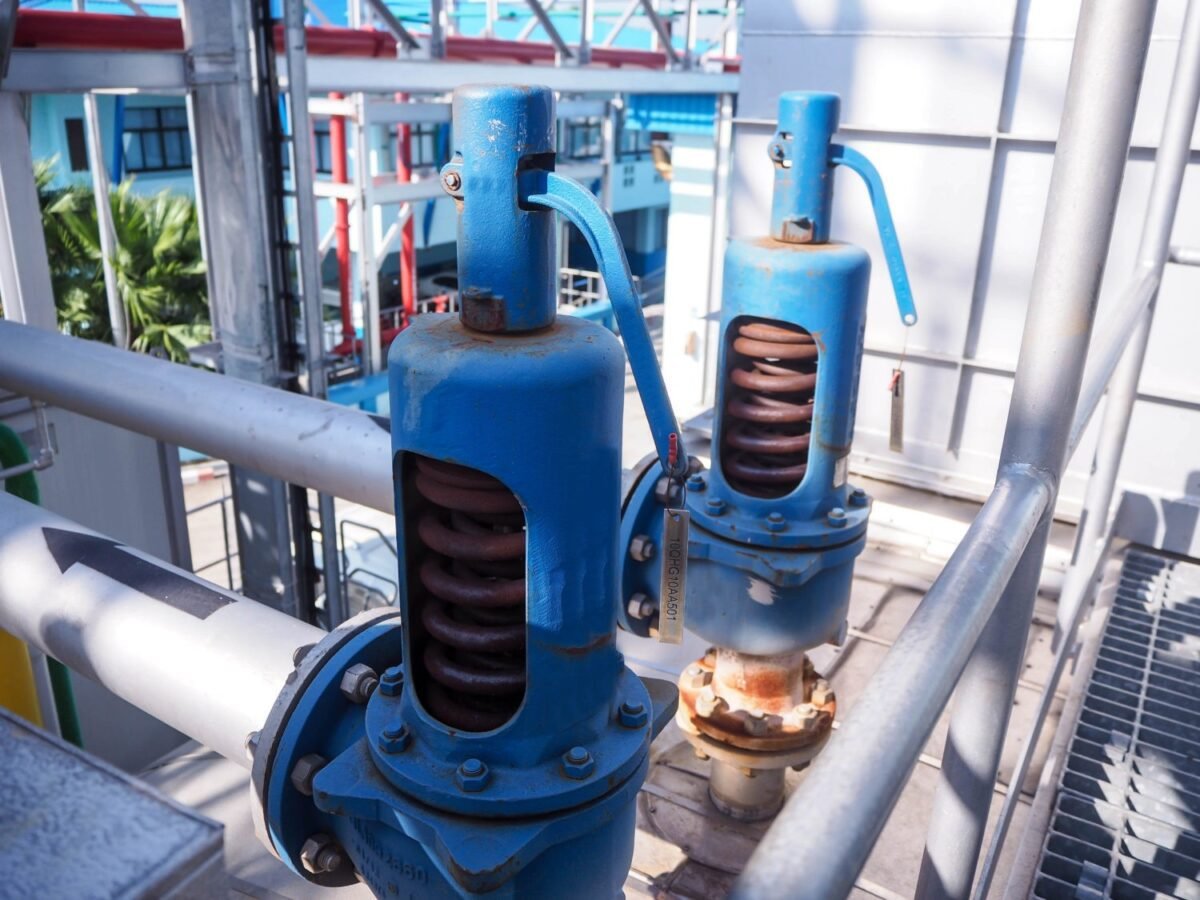
A typical PRV consists of several key components: a valve body, a spring, a disk, and a nozzle. Each part plays an essential role in the valve’s operation, working together to control and release pressure as needed.
The Importance of PRVs in Fuel Systems
Without PRVs, fuel systems would be at risk of over-pressurization. This could lead to leaks, equipment damage, or even explosions. PRVs help maintain optimal pressure levels, enhancing the overall safety and reliability of fuel systems.
Choosing the Right PRV for Your System
Selecting the appropriate PRV is crucial. Factors such as system pressure, temperature, and the type of fuel used must be considered to ensure you choose a valve that meets your system’s specific needs.
Types of PRVs
There are several types of PRVs available, each designed for different applications. Common types include spring-loaded PRVs, pilot-operated PRVs, and balanced bellows PRVs. Each type offers unique advantages, making it important to select the right one for your fuel system.
Installation and Maintenance Tips
Proper installation and regular maintenance of your PRV are essential for its effective operation. Ensuring that your valve is installed correctly and undergoes routine maintenance can prevent unexpected failures and extend the life of your system. For more information, you can refer to the proper PRV orientation guide.
Common Issues with PRVs in Fuel Systems
Despite their critical role, PRVs can experience issues such as leakage, chatter, or improper opening. Understanding these common problems can help in diagnosing and resolving them promptly.
Addressing PRV Leakage
Leakage in a PRV can be caused by several factors, including debris in the valve, wear and tear, or improper installation. Regular maintenance and timely replacement of worn parts can mitigate leakage issues. You might find the relief valve seal materials information beneficial.
Preventing PRV Chatter
Chatter occurs when the PRV opens and closes rapidly, which can lead to damage. It is often caused by excessive backpressure or an oversized valve. Ensuring proper sizing and installation can prevent chatter.
The Future of PRVs in Fuel Systems
The advancement of technology continues to influence the design and functionality of PRVs. Modern valves are being engineered to offer improved performance, safety, and reliability for fuel systems.
Technological Innovations
Innovations in materials and design have led to the development of PRVs that are more robust and efficient. These advancements are helping to meet the increasing demands of modern fuel systems.
Environmental Considerations
As the world moves towards more sustainable practices, the role of PRVs in minimizing emissions and enhancing fuel efficiency is becoming increasingly important.
Conclusion
The PRV for fuel systems is an indispensable component that ensures the safety and efficiency of these systems. By choosing the right PRV and maintaining it properly, industrial engineers can safeguard their operations against over-pressurization and improve overall system performance. For more detailed guidance, the PRV replacement procedure might be useful.
FAQs
What is the primary function of a PRV?
A PRV primarily functions to limit or control the pressure in a system by releasing excess pressure to prevent equipment damage or failure.
How often should PRVs be maintained?
Regular maintenance is key to ensuring optimal performance. It’s recommended to inspect PRVs at least annually, but this may vary depending on the system’s demands and conditions.
Can a PRV be repaired, or does it need to be replaced?
Depending on the extent of the damage, a PRV can often be repaired. However, in cases where the valve is extensively damaged or worn, replacement may be necessary to ensure safety and performance.
This article contains affiliate links. We may earn a commission at no extra cost to you.