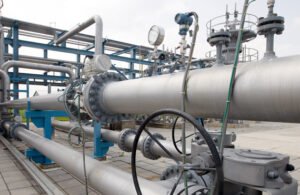
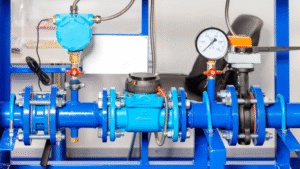
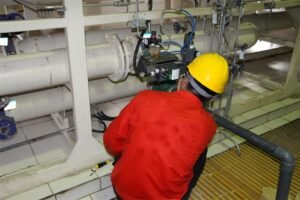
Proper maintenance of a pressure relief valve is crucial for ensuring the safety and efficiency of industrial systems. Knowing how to clean a pressure relief valve can significantly enhance its performance and longevity. This article provides a comprehensive guide to cleaning and maintaining these essential components, aimed at helping both novices and seasoned professionals in the field.
Understanding the Importance of Pressure Relief Valves
Pressure relief valves are vital for preventing excess pressure buildup in various industrial systems. They play a critical role in maintaining system integrity and ensuring safety. Regular cleaning and maintenance of these valves are necessary to prevent malfunctions and ensure optimal performance.
What is a Pressure Relief Valve?
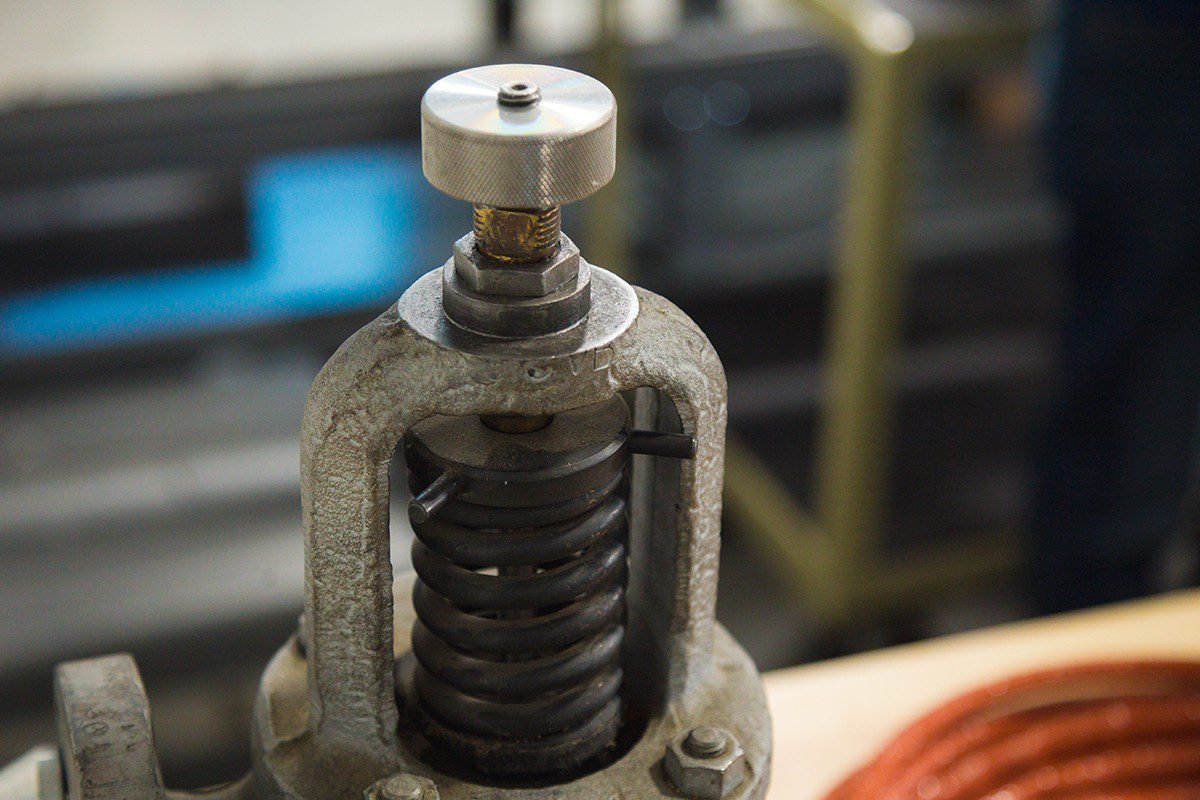
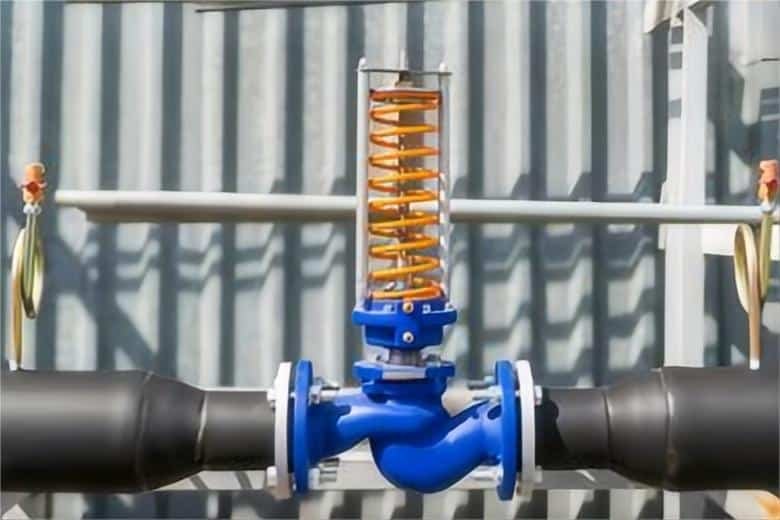
A pressure relief valve is a safety device designed to protect equipment from excessive pressure. It functions by releasing pressure when it exceeds a predetermined limit, thus preventing potential damage or failure. Understanding the mechanics of these valves is essential for effective maintenance.
Why Cleaning is Essential
Over time, pressure relief valves can accumulate debris, corrosion, and other contaminants. Regular cleaning helps in maintaining their functionality and preventing blockages that could lead to system failures. Cleaning also ensures that the valve operates smoothly and efficiently.
Preparation for Cleaning
Before you begin the cleaning process, it’s crucial to have the right tools and safety gear. This section outlines the necessary preparations to ensure a safe and effective cleaning process.
Gather Necessary Tools
Ensure you have all the required tools such as wrenches, brushes, and cleaning solutions. Having everything at hand will streamline the cleaning process and reduce downtime.
Ensure Safety First
Safety is paramount when dealing with pressure relief valves. Always wear appropriate protective gear, such as gloves and goggles. Ensure the system is depressurized before starting any maintenance work.
Step-by-Step Cleaning Guide
Follow these steps to effectively clean your pressure relief valve. Each step is designed to ensure thorough cleaning and maintenance of the valve for optimal performance.
Step 1: Depressurize the System
Before cleaning, ensure that the system is completely depressurized. This prevents any accidental discharge or injury during the cleaning process.
Step 2: Disassemble the Valve
Carefully disassemble the pressure relief valve using the appropriate tools. Take note of the arrangement of parts to ensure correct reassembly.
Step 3: Clean the Components
Use a brush and cleaning solution to remove any debris or buildup from the valve components. Pay special attention to the valve seat and seals.
Step 4: Inspect for Damage
While cleaning, inspect each component for signs of wear or damage. Replace any damaged parts to ensure the valve operates effectively.
Step 5: Reassemble the Valve
Once cleaned and inspected, carefully reassemble the pressure relief valve. Ensure all components are correctly aligned and secured.
Step 6: Test the Valve
After reassembly, test the valve to ensure it functions correctly. This step is crucial to verify that the cleaning process was successful and the valve is ready for use.
Maintenance Tips for Longevity
Regular maintenance can significantly extend the life of your pressure relief valve. Here are some tips to ensure your valve remains in top condition.
Regular Inspection
Conduct regular inspections to identify any potential issues early. This proactive approach helps in addressing problems before they escalate.
Use Quality Parts
Always use high-quality replacement parts to ensure the reliability and efficiency of your pressure relief valve.
Document Maintenance Activities
Keep a record of all maintenance activities, including cleaning and part replacements. This documentation helps in tracking the valve’s performance and identifying patterns or recurring issues.
Common Issues and Solutions
Understanding common issues that affect pressure relief valves can help in troubleshooting and resolving problems efficiently.
Valve Leakage
Leakage is a common issue caused by worn-out seals or improper installation. Regular inspection and timely replacement of seals can prevent leakage.
Valve Sticking
Sticking occurs when debris accumulates in the valve, preventing smooth operation. Regular cleaning and maintenance can mitigate this problem.
Incorrect Pressure Settings
Ensure that the valve is set to the correct pressure to prevent malfunctions. Refer to the manufacturer’s guidelines or consult with experts to determine the appropriate settings.
Conclusion
Cleaning and maintaining your pressure relief valve is essential for ensuring the safety and efficiency of your industrial systems. By following the steps outlined in this guide, you can enhance the performance and longevity of your valves. Regular maintenance not only prevents operational issues but also contributes to the overall safety of your workplace.
FAQs
How often should I clean my pressure relief valve?
It is recommended to clean your pressure relief valve at least once a year or more frequently if the system operates in harsh conditions.
Can I clean the valve without disassembling it?
While some cleaning can be done without disassembly, a thorough cleaning requires disassembling the valve to access all components.
What should I do if the valve is still leaking after cleaning?
If the valve continues to leak after cleaning, inspect the seals and replace any that are worn out. Ensure the valve is properly assembled and set to the correct pressure.
For more detailed information, you can visit Engineering.com for an in-depth comparison of pressure valves.
To explore more about valve orientation, visit Valvex for detailed insights.
This article contains affiliate links. We may earn a commission at no extra cost to you.