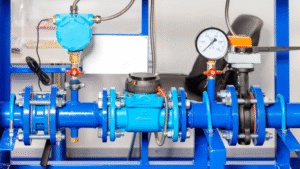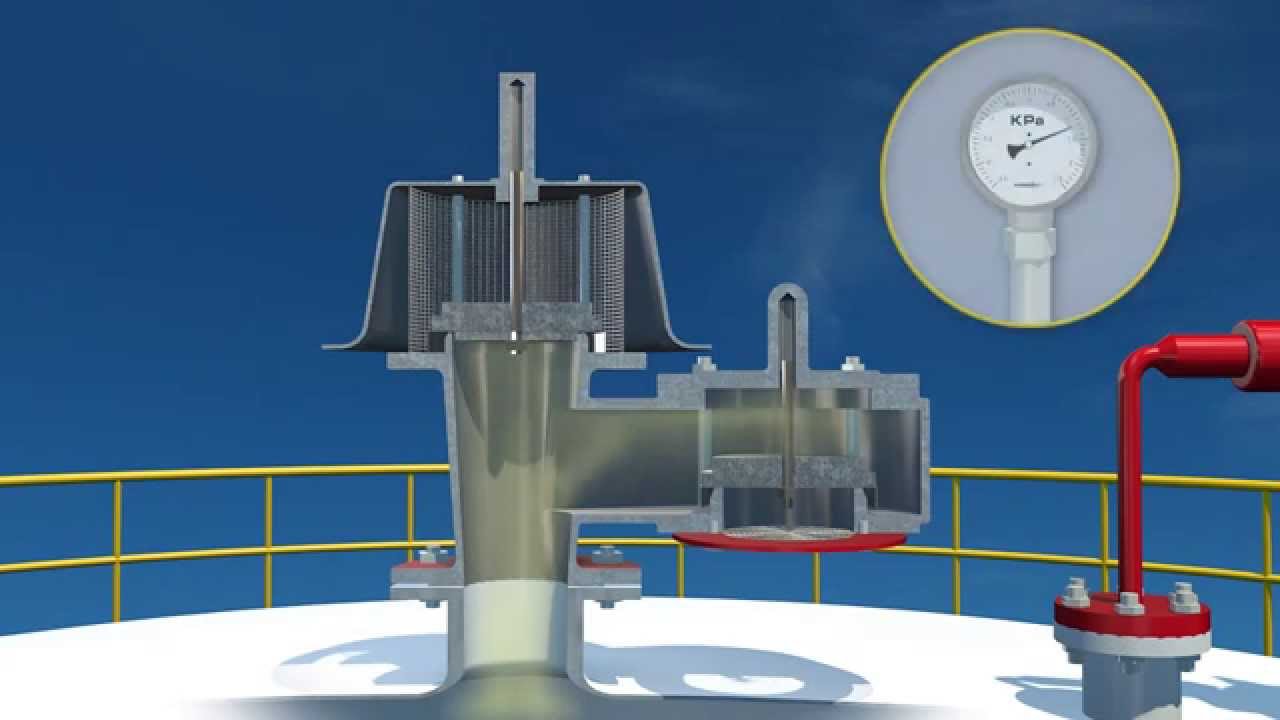

In the world of industrial engineering, ensuring the safety and efficiency of equipment is paramount. One critical component in maintaining these standards is the relief valve. However, when issues arise, such as leakage through relief valve, it can lead to significant operational challenges. Understanding this phenomenon is crucial for industrial engineers who are responsible for designing, maintaining, and troubleshooting systems that involve these valves.
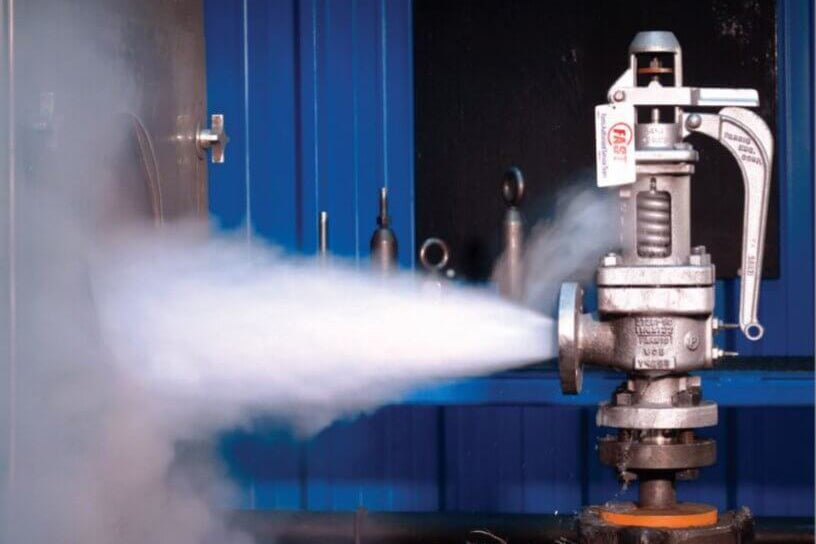
Understanding Relief Valves
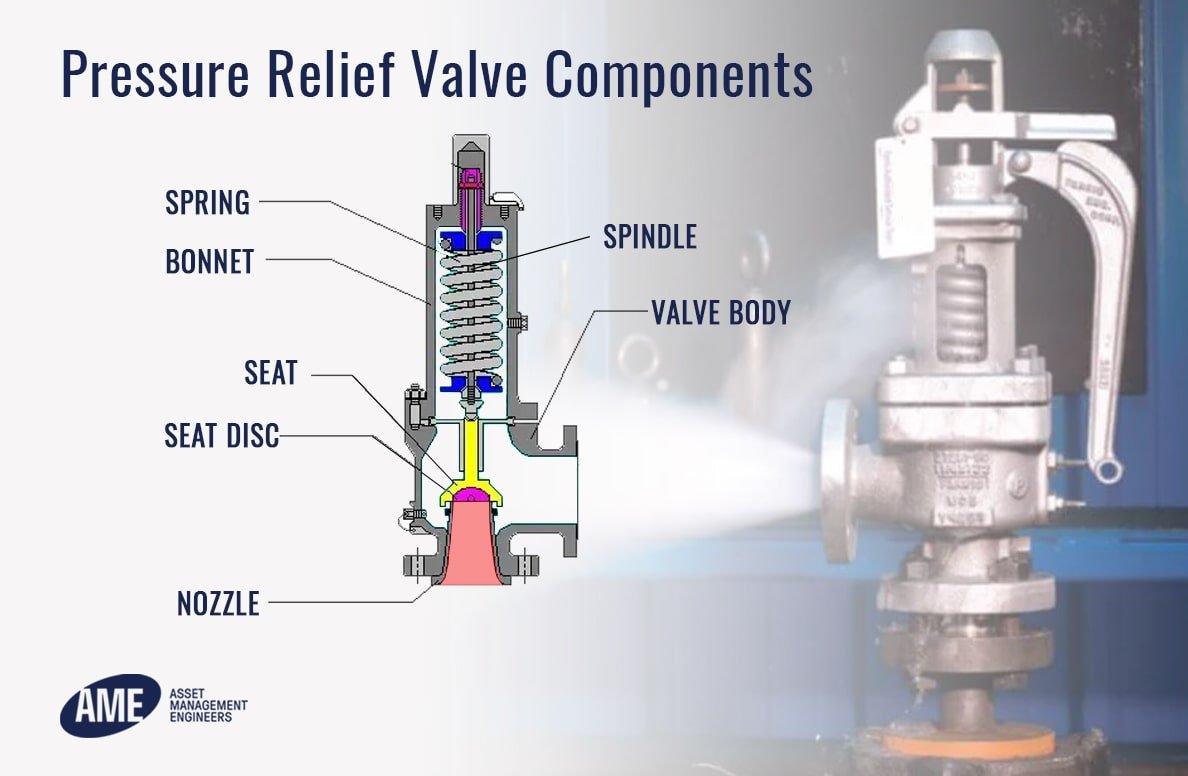
Relief valves are essential devices in many industrial systems. They are designed to control or limit the pressure in a system, which could otherwise build up and cause a process upset, instrument or equipment failure, or fire. The valve is designed to open at a predetermined set pressure to protect other equipment from failure due to overpressure.
What Is Leakage Through Relief Valve?
Leakage through relief valve occurs when the valve does not seal properly, allowing fluid or gas to escape. This can happen due to several reasons, including wear and tear, improper installation, or maintenance issues. Understanding the root causes of leakage is essential for effective mitigation.
Common Causes of Leakage
- Wear and Tear: Over time, the components of a relief valve can degrade, leading to a poor seal.
- Improper Installation: Incorrect installation can prevent the valve from sealing properly.
- Maintenance Issues: Lack of regular maintenance can result in the accumulation of debris, which can affect the valves performance.
- Material Incompatibility: Using materials that are not compatible with the media in the system can lead to corrosion and leakage.
Impact of Leakage
The impact of leakage through relief valve can be significant. It can lead to loss of product, increased operational costs, and potentially hazardous conditions. In severe cases, it might result in environmental damage or safety incidents. Hence, addressing leakage promptly is critical.
Solutions and Prevention Strategies
Regular Maintenance
Implementing a routine maintenance schedule is one of the most effective ways to prevent leakage through relief valve. Regular inspections and servicing can help identify potential issues before they become significant problems. For more information on proper maintenance techniques, visit PRV replacement procedure.
Proper Installation
Ensuring that relief valves are installed correctly is crucial. This includes adhering to manufacturer guidelines and industry standards. Learn more about proper installation at Proper PRV orientation.
Material Compatibility
Choosing the right materials for your relief valve is essential to prevent corrosion and subsequent leakage. For guidance on selecting appropriate materials, check out Relief valve seal materials.
Regular Testing
Conducting regular tests to ensure the valve operates at its set pressure can preempt issues. This helps in maintaining the integrity and functionality of the relief valve.
Industry Standards and Best Practices
Following industry standards and best practices is vital for the effective functioning of relief valves. Adhering to these guidelines helps in minimizing the risk of leakage. For comprehensive information on industry standards, refer to PRV design standards.
Conclusion
Leakage through relief valve is a critical issue that industrial engineers must address to maintain safety and efficiency in operations. By understanding the causes, impacts, and solutions, engineers can enhance system reliability and safety. For further reading on the basics of pressure relief valves, visit The Basics of Pressure Relief Valves.
FAQ
What are the signs of a leaking relief valve?
Common signs include unusual noises, pressure fluctuations, and visible fluid leaks.
How often should relief valves be tested?
Relief valves should be tested regularly as part of a routine maintenance schedule, typically annually or as recommended by the manufacturer.
Can a leaking relief valve be repaired?
Yes, leaking relief valves can often be repaired. However, if damage is severe, replacement might be necessary. Consult with a professional for the best course of action.
This article contains affiliate links. We may earn a commission at no extra cost to you.