
In the realm of industrial engineering, the role of a thermal pressure relief valve is paramount. These devices are crucial in maintaining safety and efficiency across various systems. If you’re an industrial engineer, understanding these valves is essential. This article delves into the intricacies of thermal pressure relief valves, exploring their significance, functionality, and application in diverse settings.
What is a Thermal Pressure Relief Valve?
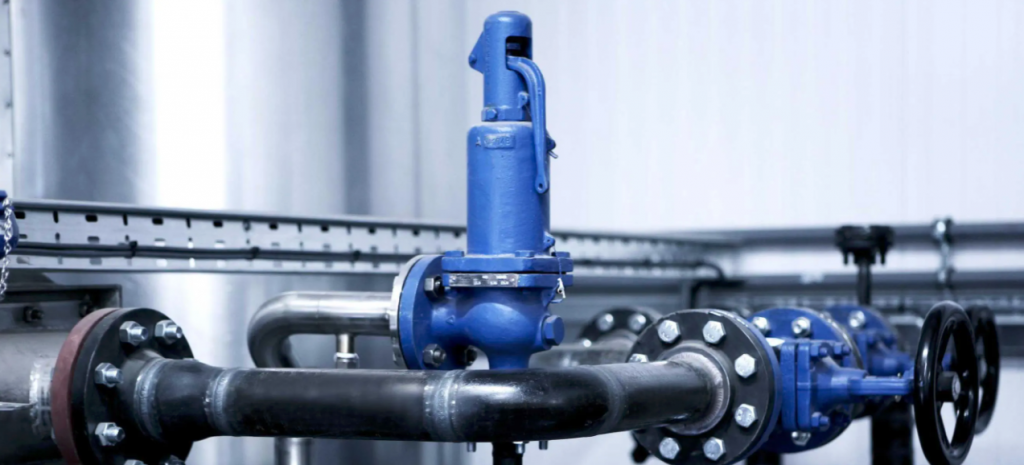
A thermal pressure relief valve is a safety device designed to release excess pressure from a system when the temperature rises beyond a set threshold. By doing so, it prevents potential hazards such as explosions or system failures. These valves are commonly used in industries that deal with pressurized liquids and gases.
Importance of Thermal Pressure Relief Valves
The importance of a thermal pressure relief valve cannot be overstated. They are critical in ensuring the safety of various industrial processes. Without these valves, the risk of accidents and system failures increases significantly.
Preventing Overpressure
Overpressure can occur due to various reasons, including equipment malfunction or external heat sources. A thermal pressure relief valve acts as a safeguard, releasing pressure and maintaining equilibrium within the system.
Protecting Equipment
Industrial equipment is often expensive and complex. A thermal pressure relief valve helps protect these investments by preventing damage due to excessive pressure.
How Thermal Pressure Relief Valves Work
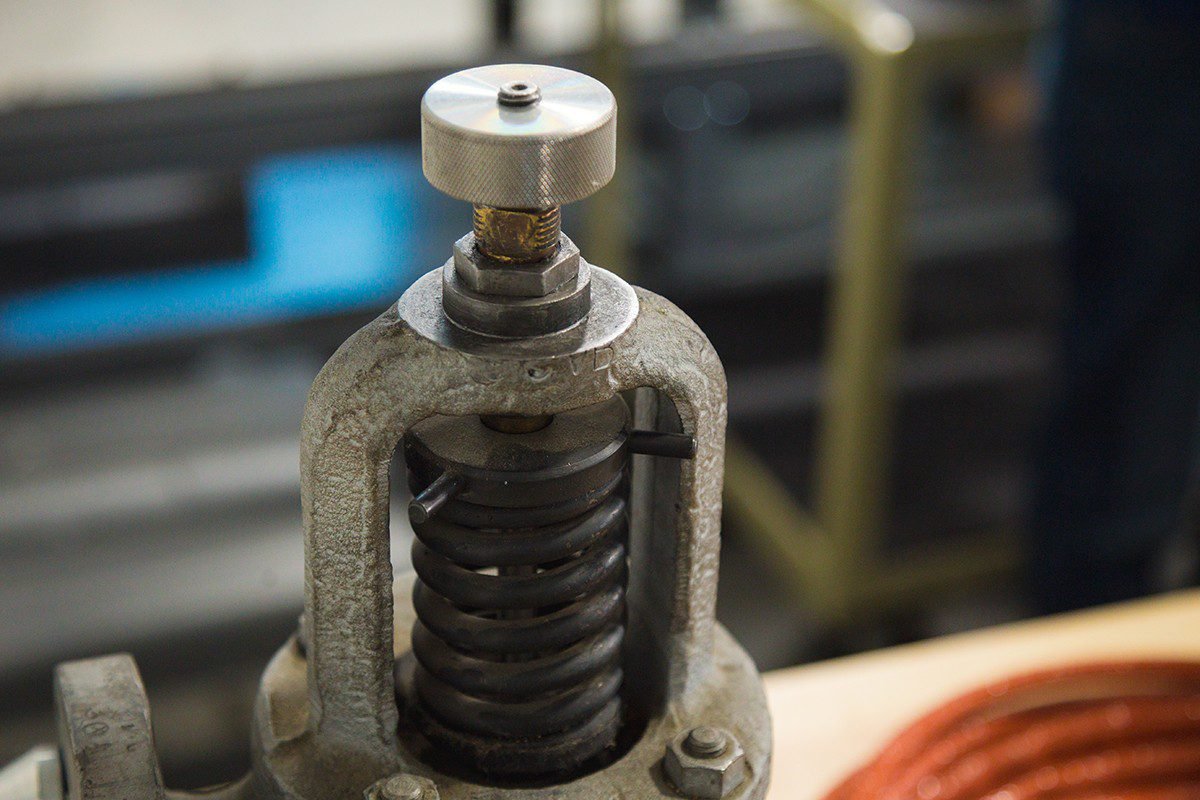
The working principle of a thermal pressure relief valve is straightforward yet effective. It involves a spring-loaded mechanism that opens when the pressure exceeds a predetermined level. This release of pressure helps in maintaining the integrity of the system.
Components of a Thermal Pressure Relief Valve
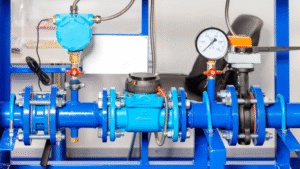
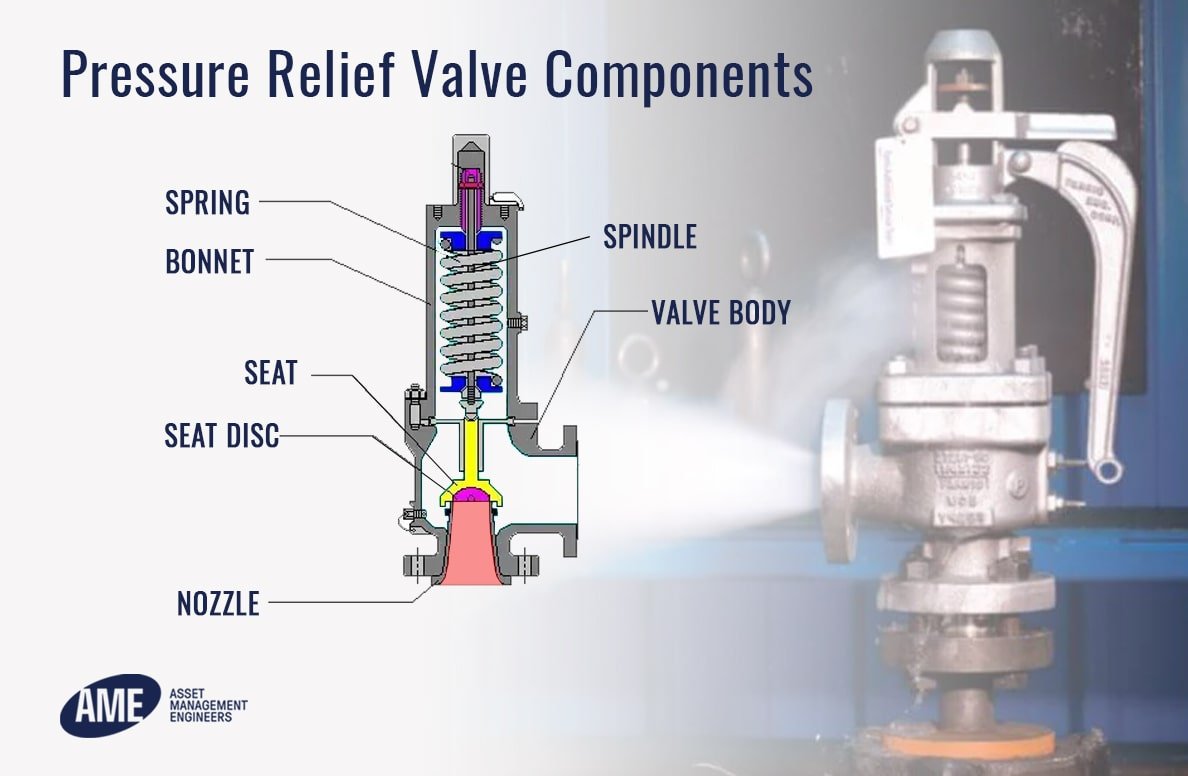
A typical thermal pressure relief valve consists of several key components: the valve body, spring, disc, and seat. Each part plays a vital role in the valve’s functionality.
Types of Thermal Pressure Relief Valves
There are various types of thermal pressure relief valves designed for specific applications. Some common types include:
- Direct-acting valves
- Pilot-operated valves
- Balanced bellows valves
Applications of Thermal Pressure Relief Valves
Thermal pressure relief valves find applications in numerous industries, from oil and gas to food processing. Their versatility makes them indispensable in any setting where pressurized systems are present.
Oil and Gas Industry
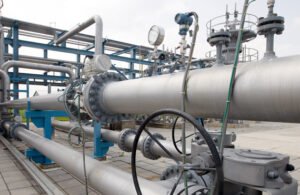
In the oil and gas sector, thermal pressure relief valves are used to manage pressure in pipelines and storage tanks. This prevents leaks and potential environmental hazards.
Manufacturing Industry
Manufacturing processes often involve high-pressure systems. A thermal pressure relief valve ensures these systems operate safely and efficiently.
Installation and Maintenance of Thermal Pressure Relief Valves
Proper installation and regular maintenance of thermal pressure relief valves are crucial for their optimal performance. Incorrect installation can lead to valve failure and compromise system safety.
Installation Guidelines
When installing a thermal pressure relief valve, ensure it is placed correctly within the system. Follow manufacturer guidelines and industry standards for best results.
Maintenance Practices
Regular maintenance includes inspecting and testing the valve to ensure it operates correctly. Replace worn or damaged components promptly to avoid malfunction.
Challenges in Using Thermal Pressure Relief Valves
While thermal pressure relief valves are essential, they come with challenges, such as potential leaks and valve seat damage. Addressing these issues promptly is vital for maintaining system integrity.
Leakage Concerns
Leaks can occur due to improper installation or wear and tear. Routine checks and maintenance help mitigate this risk.
Valve Seat Damage
Continuous use can lead to valve seat damage, affecting the valve’s performance. Regular inspections help identify and address this issue early.
Technological Advancements in Thermal Pressure Relief Valves
Technological advancements have enhanced the functionality and reliability of thermal pressure relief valves. Modern valves incorporate features like remote monitoring and automated testing for improved performance.
Smart Valves
Smart valves offer real-time monitoring and diagnostics, allowing for proactive maintenance and reduced downtime.
Automated Testing
Automated testing systems ensure that thermal pressure relief valves are always in optimal working condition, reducing the risk of failure.
Conclusion
Understanding the role and functionality of thermal pressure relief valves is crucial for industrial engineers. These devices are essential for maintaining safety and efficiency in various systems. By staying informed about the latest advancements and best practices, engineers can ensure that their systems operate effectively and safely.
FAQs
What is the primary function of a thermal pressure relief valve?
The primary function of a thermal pressure relief valve is to release excess pressure from a system when the temperature exceeds a set limit, preventing potential hazards.
How often should thermal pressure relief valves be inspected?
It is recommended to inspect thermal pressure relief valves regularly, typically every six months, to ensure they function correctly and safely.
Can thermal pressure relief valves be used in all industries?
Yes, thermal pressure relief valves are versatile and can be used in various industries, including oil and gas, manufacturing, and food processing.
For more detailed information on relief valves, you can visit ScienceDirect, a reputable source for engineering topics.
Additionally, for insights into the importance of safety relief valves, check out RasMech.
For internal links on related topics, you may find more information on leak vs humidity, sink overflow leak, and relief valve useful.
This article contains affiliate links. We may earn a commission at no extra cost to you.