
In the world of industrial engineering, ensuring the proper functioning of machinery and systems is vital. One crucial component in many systems is the relief valve. These valves are designed to regulate pressure and protect equipment from damage due to overpressure. However, like any other mechanical component, relief valves can experience leaks. Relief valve leak detection is therefore essential to maintain efficiency and safety.
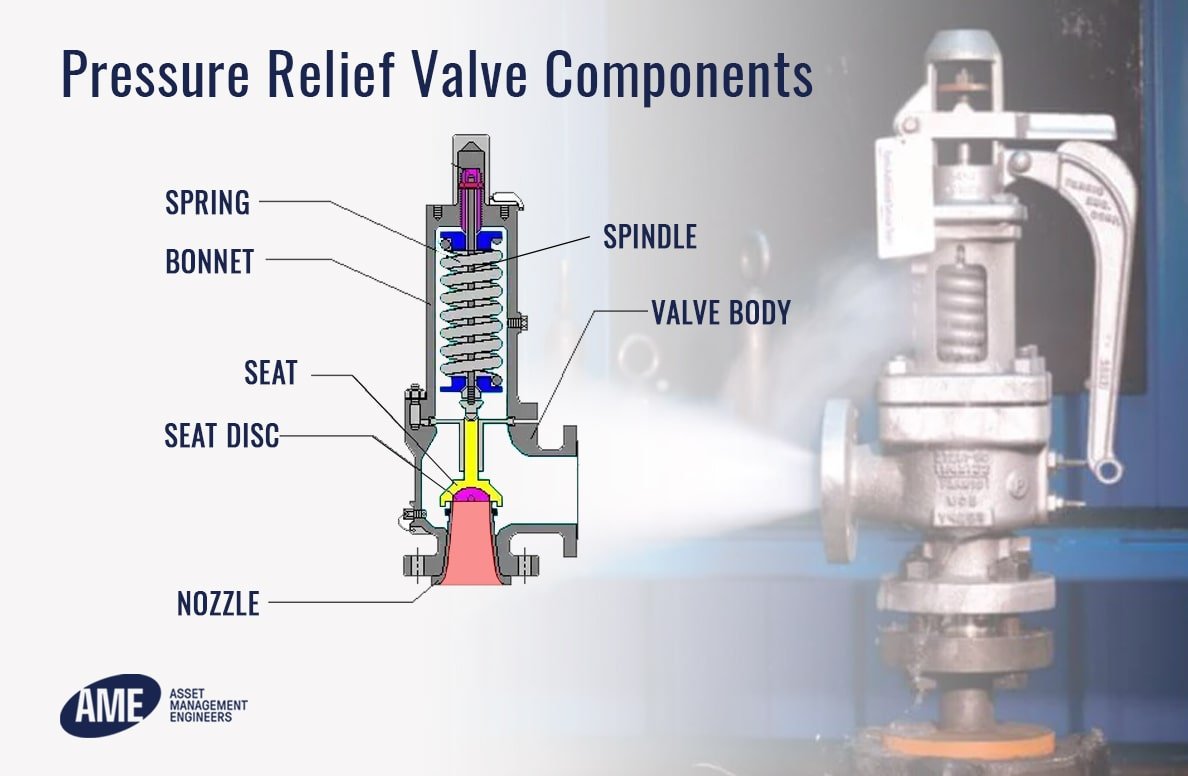
Understanding Relief Valves
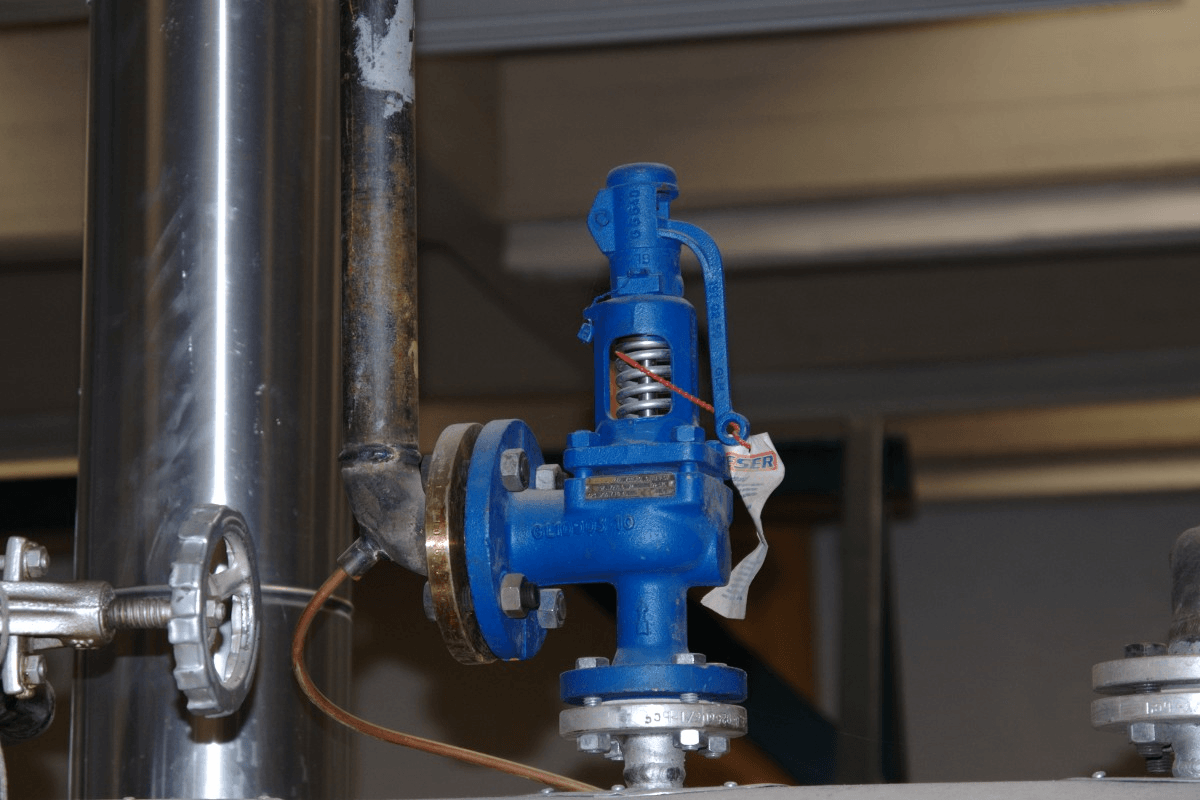
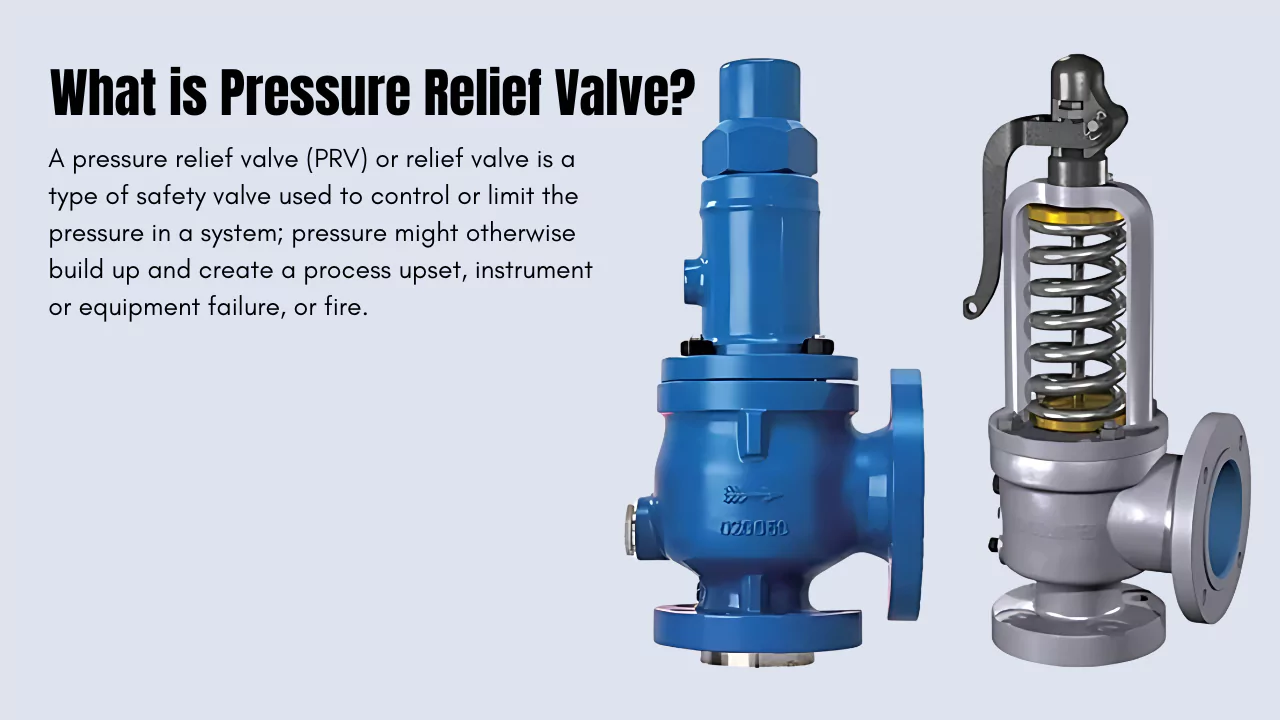
Before diving into leak detection, it’s important to understand what a relief valve is. A relief valve is a safety device used to control or limit the pressure in a system. When the pressure in a system exceeds a predetermined limit, the relief valve opens to allow excess fluid to escape, thereby preventing potential system failure.
Types of Relief Valves
There are various types of relief valves, each serving different purposes. These include:
- Pressure Relief Valves
- Temperature Relief Valves
- Safety Valves
- Vacuum Relief Valves
Each type of valve is designed to handle specific conditions, making them essential components in industrial operations.
Common Causes of Relief Valve Leaks
Understanding the causes of leaks is crucial for effective relief valve leak detection. Some common causes include:
Improper Installation
Incorrect installation can lead to valve malfunction and leaks. It is crucial to follow manufacturer guidelines and industry standards during installation.
Wear and Tear
Over time, the materials in the valve can degrade, leading to leaks. Regular maintenance and inspections can help identify wear and prevent leaks.
Corrosion
Exposure to harsh environmental conditions can cause corrosion, which may compromise the integrity of the valve and lead to leaks.
Detecting Relief Valve Leaks
Detecting leaks early is essential to prevent system failure. Here are some methods for effective relief valve leak detection:
Visual Inspection
Regular visual inspections can help identify signs of leakage, such as moisture or corrosion around the valve.
Listening for Unusual Noises
Unusual hissing or whining noises may indicate a leak in the valve. Using advanced listening devices can help pinpoint the source of the noise.
Pressure Testing
Performing pressure tests can help determine if the valve is operating correctly. This involves monitoring the pressure levels before and after the valve to identify discrepancies.
Using Leak Detection Equipment
Advanced leak detection equipment, such as ultrasonic detectors, can be used to accurately locate and assess leaks.
Preventive Measures
Preventing leaks is always better than fixing them. Here are some preventive measures:
Regular Maintenance
Establish a maintenance schedule for inspecting and servicing relief valves. This includes cleaning, lubricating, and replacing worn-out parts.
Proper Training
Ensure that personnel responsible for valve maintenance are properly trained and knowledgeable about the specific types of valves used in the system.
Monitoring System Conditions
Regularly monitor the conditions under which the valves operate, including pressure and temperature, to ensure they remain within safe limits.
Importance of Professional Help
While regular maintenance and inspections can be conducted by in-house teams, engaging professional services for relief valve leak detection can provide additional assurance. Professionals have the expertise and equipment to accurately identify and address leaks.
Conclusion
Understanding and implementing effective relief valve leak detection strategies is crucial in ensuring the safety and efficiency of industrial systems. Regular inspections, proper maintenance, and the use of advanced detection methods can help prevent leaks and safeguard your operations.
FAQs
What are the signs of a leaking relief valve?
Signs of a leaking relief valve include moisture or corrosion around the valve, unusual noises, and discrepancies in pressure levels.
How often should relief valves be inspected?
Relief valves should be inspected regularly, with the frequency determined by the specific conditions and requirements of the system.
Can regular maintenance prevent relief valve leaks?
Yes, regular maintenance can help prevent leaks by identifying and addressing potential issues before they lead to leaks.
For more information on valve maintenance, visit this resource.
This article contains affiliate links. We may earn a commission at no extra cost to you.