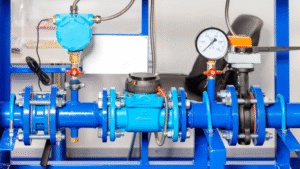
Dealing with a bathroom maintenance leak can be a daunting task, but with the right knowledge and approach, it can be managed effectively. Whether you’re an industrial engineer or a homeowner, understanding the nuances of bathroom leaks is crucial. In this guide, we will explore various aspects of bathroom maintenance and offer practical advice to keep your bathroom in top condition.
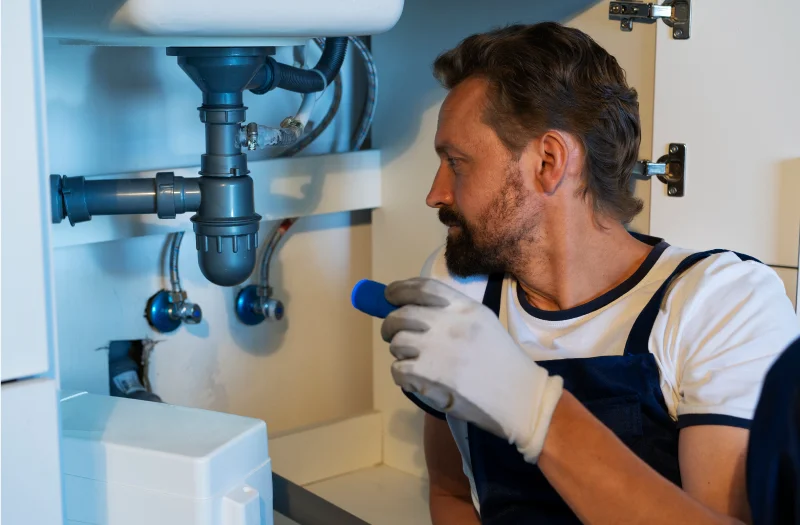
Understanding Bathroom Leaks
Bathroom leaks can occur for various reasons, including faulty plumbing, worn-out seals, or improper installation. These leaks not only lead to water wastage but can also cause significant structural damage if left unaddressed.
Common Causes of Bathroom Leaks
Identifying the common causes of bathroom leaks is the first step towards effective maintenance. Some of the most prevalent causes include:
- Worn-out or damaged seals around fixtures
- Corroded or damaged pipes
- Improper installation of plumbing systems
- Clogged or malfunctioning drains
Signs of a Bathroom Leak
Being able to identify the signs of a bathroom leak can save you from costly repairs. Look out for:
- Water stains on ceilings or walls
- Mold or mildew growth
- Unexplained increase in water bills
- Warped or damaged flooring
For more information on recognizing leak signs in your bathroom, visit bathroom leak signs.
Preventive Measures for Bathroom Leaks
Prevention is always better than cure. Implementing preventive measures can help you avoid the hassles of dealing with bathroom leaks.
Regular Maintenance Checks
Conducting regular maintenance checks is essential to ensure that your bathroom remains leak-free. This includes inspecting all plumbing fixtures, checking for signs of wear and tear, and ensuring that seals and gaskets are intact.
Proper Ventilation
Adequate ventilation is crucial in preventing moisture buildup, which can lead to leaks and mold growth. Ensure that your bathroom is well-ventilated, either through windows or exhaust fans.
Use of Quality Materials
Investing in high-quality plumbing fixtures and materials can go a long way in preventing leaks. Quality materials are more durable and less prone to wear and tear.
For more insights on using quality materials, you can refer to this helpful article on silent water leaks.
Steps to Fix a Bathroom Leak
If you notice a leak, it’s important to address it promptly to prevent further damage. Here’s a step-by-step guide to fixing a bathroom leak:
Identify the Source
Begin by identifying the source of the leak. This might involve checking under sinks, around toilets, and near bathtubs or showers.
Turn Off the Water Supply
Once the source is identified, turn off the water supply to prevent further leakage. This will also make it easier to work on repairs.
Repair or Replace Damaged Components
Depending on the nature of the leak, you may need to repair or replace damaged components such as seals, gaskets, or pipes. Ensure that you use quality replacement parts to prevent future leaks.
When to Call a Professional
While many bathroom leaks can be fixed on your own, there are instances when professional help is necessary. Call a plumber if:
- The leak is severe and causing extensive damage
- You are unable to identify the source of the leak
- The leak involves complex plumbing systems
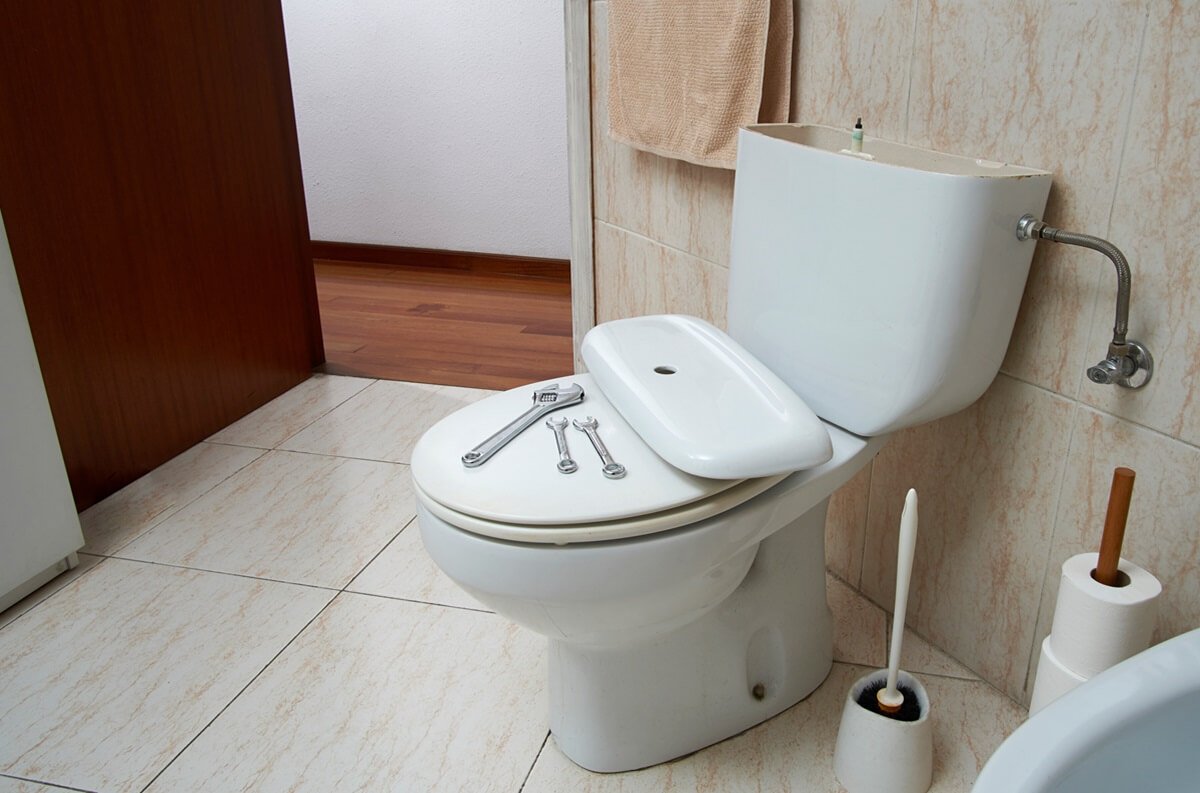
FAQs on Bathroom Maintenance Leak
What are the most common bathroom leaks?
Common bathroom leaks include leaks around faucets, toilets, and showerheads. These often result from worn-out seals or gaskets.
How can I prevent bathroom leaks?
Regular maintenance checks, proper ventilation, and using quality materials are key strategies for preventing bathroom leaks.
Is it necessary to hire a plumber for all leaks?
Not all leaks require professional intervention. Minor leaks can often be fixed with basic tools and materials. However, for severe or complex leaks, it’s advisable to seek professional help.
For additional resources and information on bathroom leaks, visit tile sealant tips or explore wood rot prevention.
This article contains affiliate links. We may earn a commission at no extra cost to you.