Keeping your bathroom floor dry is essential not only for aesthetic reasons but also to prevent accidents and maintain hygiene. Wet floors can lead to slips and falls, which can be dangerous, especially in a frequently used space like a bathroom. Learning how to dry bathroom floor quickly and effectively is a skill that every homeowner should master.
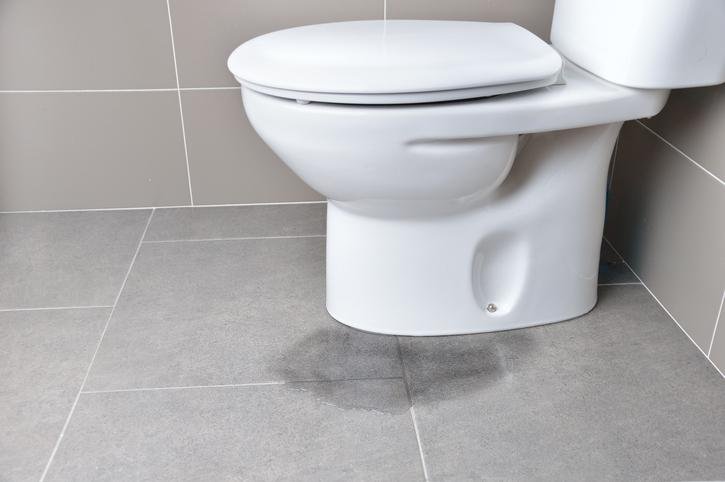
Why is a Dry Bathroom Floor Important?
A dry bathroom floor is crucial for several reasons. Firstly, it helps in maintaining hygiene. Moisture can be a breeding ground for mold and bacteria, which can lead to unpleasant odors and health risks. Secondly, a dry floor prevents slips and falls, ensuring safety for everyone in the household. Lastly, keeping your bathroom floor dry can prolong the life of your flooring material, saving you money on repairs and replacements.
Quick Methods to Dry Your Bathroom Floor
Use a Squeegee
One of the simplest and most effective tools for drying a bathroom floor is a squeegee. After a shower or bath, use a squeegee to push the water towards the drain. This method is quick and ensures that most of the water is removed from the surface.
Absorbent Mats
Investing in high-quality absorbent bathroom mats can significantly reduce the amount of water on your floor. Place these mats near the shower, bathtub, and sink to catch any excess water. Regularly wash and dry the mats to maintain their absorbency.
Ventilation is Key
Proper ventilation can help in drying the bathroom floor faster. Ensure that your bathroom has a functioning exhaust fan to remove moisture from the air. If possible, open windows and doors to allow fresh air to circulate, speeding up the drying process.
Advanced Techniques for Keeping Bathroom Floors Dry
Install a Dehumidifier
If your bathroom is particularly prone to moisture, consider installing a dehumidifier. This device will help in removing excess moisture from the air, keeping the environment dry and reducing the risk of mold growth.
Regular Maintenance
Regular maintenance of your bathroom can prevent water from accumulating on the floor. Ensure that all plumbing fixtures are in good condition and check for any bathroom leak signs. Address any issues promptly to prevent water damage.
Seal Grout and Tiles
Sealing grout and tiles can prevent water from seeping into the floor. Use a high-quality sealant to protect your bathroom floor and reduce the risk of water damage. For more information on sealants, you can visit tile sealant guide.
Additional Tips for a Dry Bathroom Floor
Fix Leaks Promptly
Leaks can cause significant water accumulation on your bathroom floor. Regularly inspect your plumbing fixtures and address hidden leaks promptly to prevent water damage.
Use Water-Repellent Coatings
Applying a water-repellent coating to your bathroom floor can help in reducing water accumulation. These coatings create a barrier that prevents water from penetrating the surface, keeping your floor dry.
Regular Cleaning
Regularly cleaning your bathroom can help in maintaining a dry floor. Remove any soap scum or debris that can trap water and keep your floor clean and dry.
Conclusion
Learning how to dry bathroom floor effectively is essential for maintaining a safe, hygienic, and pleasant bathroom environment. By employing the methods and tips discussed in this article, you can ensure that your bathroom floor remains dry and in excellent condition.
FAQ
How often should I dry my bathroom floor?
It is advisable to dry your bathroom floor after every use, especially after showers or baths, to prevent water accumulation.
Can I use a fan to dry my bathroom floor?
Yes, using a fan can help in circulating air and drying the bathroom floor faster.
What type of flooring is best for keeping a bathroom floor dry?
Water-resistant flooring materials like ceramic tiles or vinyl are ideal for maintaining a dry bathroom floor.
This article contains affiliate links. We may earn a commission at no extra cost to you.