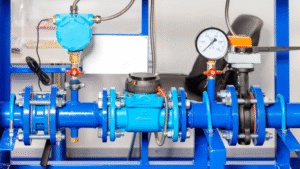
In the ever-evolving world of bathroom fittings and maintenance, the role of a bathroom adhesive sealant cannot be overstated. These sealants are crucial in ensuring a watertight environment, preventing leaks, and maintaining the integrity of your bathroom spaces. Whether you are a homeowner or a professional industrial engineer, understanding the applications and benefits of these sealants is essential.
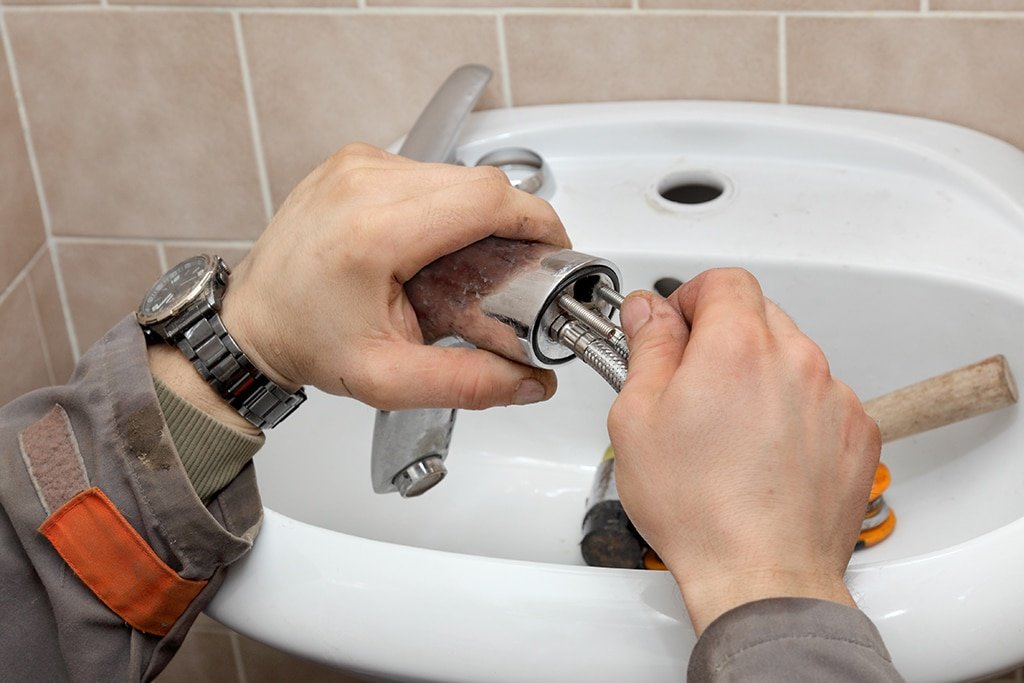
What is a Bathroom Adhesive Sealant?
A bathroom adhesive sealant is a specialized product designed to create a waterproof seal around various surfaces in your bathroom. It is used to fill gaps and joints, particularly around bathtubs, sinks, toilets, and tiles, ensuring that water does not seep through and cause damage. These sealants are typically made from silicone, acrylic, or latex, each offering unique properties and advantages.
Benefits of Using Bathroom Adhesive Sealant
Prevention of Water Damage
One of the primary benefits of using a bathroom adhesive sealant is its ability to prevent water damage. By sealing joints and gaps, these products ensure that water does not penetrate surfaces, thereby protecting structures from potential damage. This is particularly important in areas prone to moisture, such as bathrooms.
Mold and Mildew Resistance
Using a quality bathroom adhesive sealant can help in resisting mold and mildew growth. Many sealants contain fungicides that inhibit the growth of these harmful substances, contributing to a healthier bathroom environment.
Types of Bathroom Adhesive Sealants
Silicone Sealants
Silicone sealants are known for their flexibility and durability. They are ideal for non-porous surfaces like glass and metal. Silicone sealants are highly resistant to temperature changes and are waterproof, making them perfect for bathroom applications.
Acrylic Sealants
Acrylic sealants are paintable and easy to apply. They are suitable for areas that require a smooth finish and are often used on porous surfaces. While they are less flexible than silicone, they are effective in areas with minimal movement.
Latex Sealants
Latex sealants are popular for their ease of use and clean-up. They are less durable than silicone but offer a smooth finish that can be painted over. Latex sealants are ideal for use in areas with minimal water exposure.
Applications of Bathroom Adhesive Sealant
Sealing Bathtubs and Showers
Bathtubs and showers are among the most common areas where bathroom adhesive sealants are applied. The sealant creates a barrier that prevents water from seeping into walls and floors, thereby protecting these structures from water damage.
Sinks and Countertops
Sinks and countertops require an effective seal to prevent water from damaging cabinets and flooring. A quality bathroom adhesive sealant ensures that water does not leak through seams and joints.
Toilets and Plumbing
Sealing around toilets and plumbing fixtures is crucial to prevent leaks and water damage. Using a reliable bathroom adhesive sealant helps maintain the integrity of these installations.
How to Apply Bathroom Adhesive Sealant
Preparation
Before applying a bathroom adhesive sealant, it is crucial to clean the surface thoroughly. Remove any old sealant, dirt, and debris to ensure a strong bond. It is also important to ensure that the area is dry, as moisture can affect the adhesion of the sealant.
Application Process
Once the surface is prepared, use a caulking gun to apply the sealant. Ensure a steady hand and apply a consistent bead along the joint. Smooth the sealant with a damp finger or tool for a neat finish.
Curing Time
Allow the sealant to cure as per the manufacturer’s instructions. This typically takes between 24 to 48 hours, depending on the type of sealant used and the environmental conditions.
Common Mistakes to Avoid
Ignoring Surface Preparation
One of the most common mistakes is neglecting proper surface preparation. Ensure surfaces are clean and dry to achieve the best results with your bathroom adhesive sealant.
Using the Wrong Type of Sealant
Select the right type of sealant for your specific application. Using the wrong type can lead to poor adhesion and potential leaks.
Maintenance Tips for Sealed Surfaces
Regular Inspections
Conduct regular inspections of sealed areas to ensure the integrity of the seal. Look for signs of wear or damage and reapply sealant as necessary.
Cleaning and Care
Clean sealed surfaces regularly to prevent the build-up of mold and mildew. Use non-abrasive cleaners to avoid damaging the sealant.
Choosing the Right Bathroom Adhesive Sealant
Consider the Material
When selecting a bathroom adhesive sealant, consider the material of the surfaces you are sealing. Different sealants offer varying levels of adhesion and flexibility, so choose one that suits your specific needs.
Environmental Considerations
Consider the environmental conditions of your bathroom, such as humidity and temperature, when selecting a sealant. Choose a sealant that can withstand these conditions for optimal performance.
FAQs About Bathroom Adhesive Sealant
What is the best type of sealant for bathroom use?
Silicone sealants are generally the best choice for bathroom use due to their flexibility, durability, and water resistance.
How often should I reapply sealant?
The frequency of reapplication depends on the sealant used, but it is recommended to inspect sealed areas annually and reapply as needed.
Can I apply sealant over existing sealant?
It is not recommended to apply new sealant over old sealant. Remove the old sealant before applying a new layer to ensure a strong bond.
For further information on bathroom leak prevention, you might find this external resource helpful. Additionally, explore more about tile sealants, waterproof membranes, and dripping noise solutions available on our website.
This article contains affiliate links. We may earn a commission at no extra cost to you.