Water leakage in the bathroom is a common and often frustrating problem faced by many homeowners. Understanding the bathroom water leakage cause is crucial for effective resolution and prevention of further damage. In this article, we will explore various causes of water leakage in bathrooms and provide insights on how to address these issues.
Common Causes of Bathroom Water Leakage
Identifying the specific cause of water leakage is the first step in resolving the issue. Here are some common causes:
1. Faulty Plumbing Connections
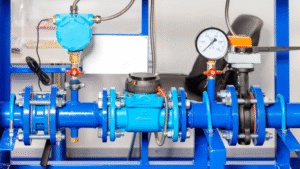
One of the primary reasons for water leakage in bathrooms is faulty plumbing connections. This could be due to loose joints, worn-out washers, or corroded pipes. Regular inspection and maintenance of plumbing fixtures can prevent leaks.
2. Leaking Faucets and Showerheads
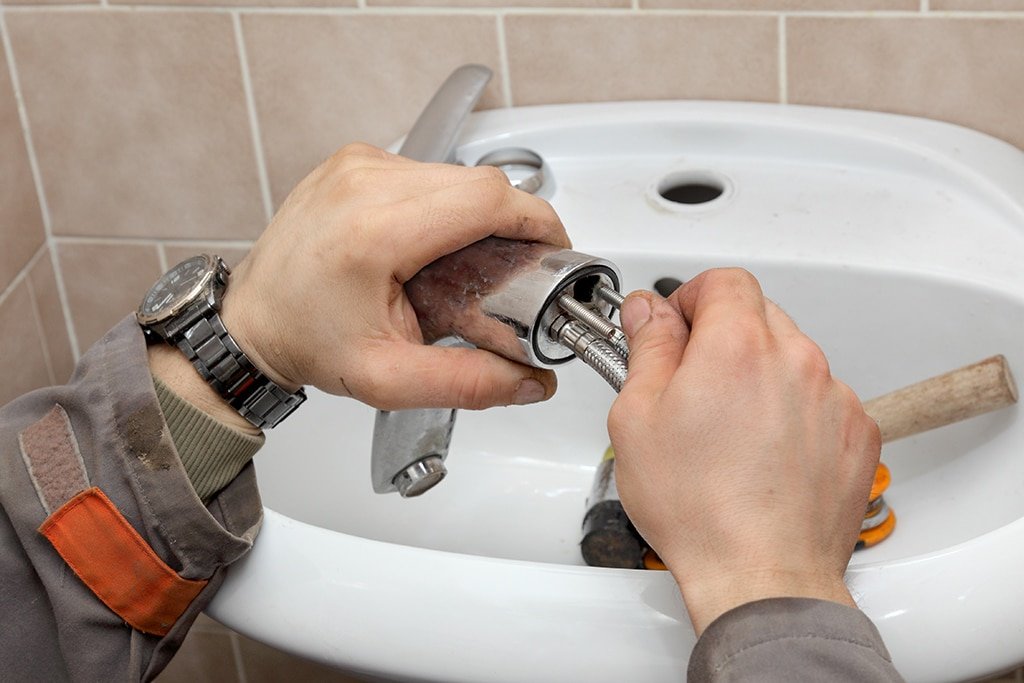
Leaking faucets and showerheads are a common issue that can lead to water wastage and increased utility bills. Replacing worn-out washers or seals can often resolve this problem.
3. Cracked Tiles and Grout
Over time, tiles and grout in the bathroom can crack, allowing water to seep through and cause damage. It is essential to regularly inspect and repair any damaged tiles or grout to prevent water leakage.
Preventive Measures for Bathroom Water Leakage
Taking preventive measures can help avoid costly repairs in the future. Here are some tips:
1. Regular Maintenance
Regular maintenance of plumbing fixtures is crucial to prevent leaks. This includes checking for loose connections, inspecting seals and washers, and replacing any damaged components.
2. Proper Sealing
Ensuring that all seams and joints are properly sealed can prevent water from seeping through. Using quality caulk and sealants is essential for effective sealing.
3. Professional Inspection
Hiring a professional plumber for regular inspections can help identify potential issues before they become major problems. A professional can also provide guidance on effective preventive measures.
Addressing Bathroom Water Leakage
When water leakage is detected, it is essential to address the issue promptly to prevent further damage. Here are some steps to take:
1. Identify the Source
Identifying the source of the leak is the first step in resolving the issue. This may involve inspecting plumbing fixtures, tiles, and grout for signs of damage.
2. Repair or Replace Damaged Components
Once the source of the leak is identified, repair or replace the damaged components. This may involve tightening loose connections, replacing worn-out washers, or resealing seams.
3. Address Underlying Issues
In some cases, water leakage may be due to underlying issues such as poor drainage or inadequate ventilation. Addressing these issues can help prevent future leaks.
External Resource
For additional tips on identifying hidden water leaks, visit this guide.
Conclusion
Understanding the bathroom water leakage cause is essential for effective resolution and prevention. By taking preventive measures and addressing issues promptly, homeowners can avoid costly repairs and maintain a functional and efficient bathroom.
FAQ
1. How can I tell if my bathroom has a hidden water leak?
Signs of a hidden water leak may include mold growth, musty odors, or unexplained increases in water bills. Regular inspections can help identify these issues early.
2. What should I do if I detect a water leak in my bathroom?
If you detect a water leak, it is essential to identify the source and address it promptly to prevent further damage. This may involve repairing or replacing damaged components.
3. How often should I inspect my bathroom for potential leaks?
Regular inspections of your bathroom for potential leaks are recommended at least once a year. This can help identify issues early and prevent costly repairs.
For more information on bathroom maintenance, visit this resource.
This article contains affiliate links. We may earn a commission at no extra cost to you.