
Experiencing a bathroom leak after shower can be frustrating and concerning. This issue not only damages the bathroom but can also lead to significant water damage in other parts of the house. Understanding the causes and finding effective solutions is crucial to maintaining a dry and functional bathroom. In this article, we will explore the common causes of leaks and provide practical solutions to prevent them.

Understanding Bathroom Leaks
Leaks in the bathroom are a common occurrence, especially after a shower. These leaks can occur for several reasons, including faulty plumbing, damaged seals, and improper installation of fixtures. By identifying the root cause, you can effectively address the issue and prevent future leaks.
Common Causes of Bathroom Leaks
1. Faulty Plumbing
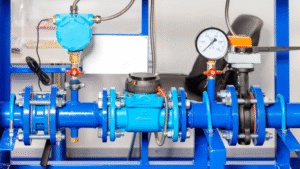
Plumbing issues are one of the primary causes of bathroom leaks. Pipes can develop cracks or become loose over time, leading to water leakage. Regular maintenance and inspection of the plumbing system can help identify potential problems before they escalate.
2. Damaged Seals and Caulking
The seals and caulking around the shower and bathtub play a crucial role in preventing water from seeping into the walls and floor. Over time, these seals can deteriorate, allowing water to escape. Regularly checking and replacing damaged seals can help keep your bathroom dry. For more information on how to effectively seal your bathroom, visit bathroom caulking leak.
3. Improper Installation of Fixtures
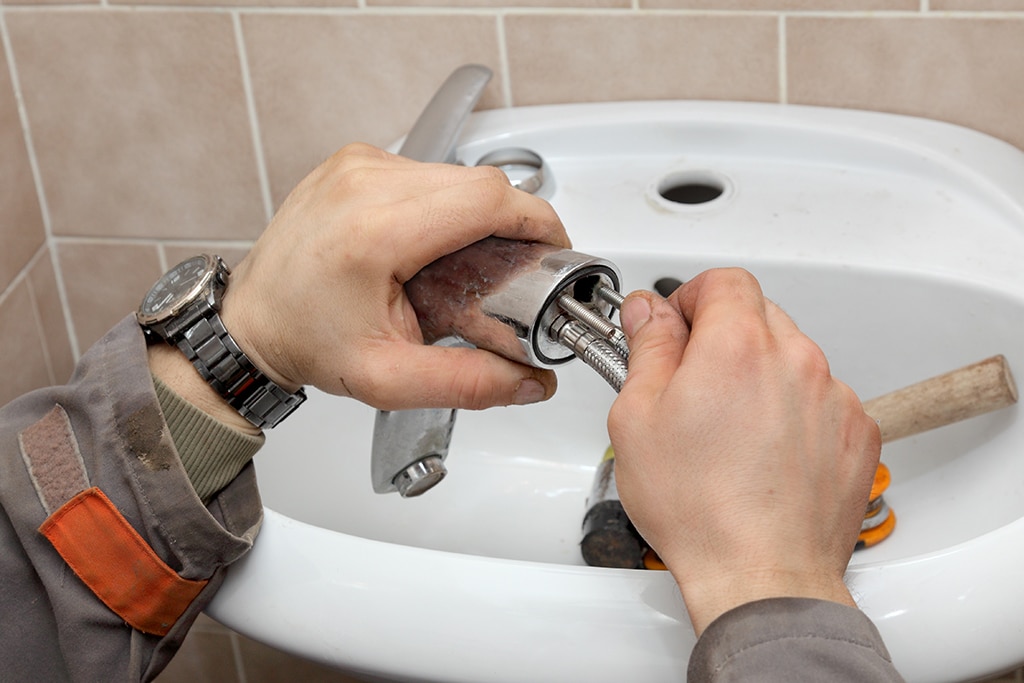
Improper installation of showerheads, faucets, and other bathroom fixtures can lead to leaks. Ensuring that these fixtures are installed correctly and securely can prevent water from escaping. If you’re experiencing a dripping noise in bathroom, it might be a sign of a loose fixture.
4. Leaky Shower Doors
Shower doors can also be a source of leaks if they are not sealed properly. Water can escape through gaps in the door seals, leading to water accumulation on the bathroom floor. Regularly checking the seals and replacing them when necessary can prevent leaks.
Solutions to Prevent Bathroom Leaks
1. Regular Maintenance
Regular maintenance of your bathroom fixtures and plumbing system is essential to prevent leaks. Checking for signs of wear and tear, such as cracks in the pipes or damaged seals, can help you address issues before they become major problems.
2. Use of Waterproof Membranes
Installing a waterproof membrane under the tiles and around the shower area can provide an extra layer of protection against leaks. This membrane acts as a barrier, preventing water from seeping into the walls and floor. Learn more about bathroom waterproof membrane.
3. Proper Sealing and Caulking
Ensuring that all seals and caulking are intact and in good condition is crucial to prevent leaks. Regularly inspecting these areas and applying fresh caulk when needed can keep your bathroom dry and leak-free. For more insights on preventing leaks, check out this helpful guide on common bathroom water leaks.
4. Professional Plumbing Services
If you suspect that the leak is due to a plumbing issue, it is advisable to seek the services of a professional plumber. They can accurately diagnose the problem and provide effective solutions to prevent further leaks.
Impact of Bathroom Leaks
Bathroom leaks can have significant impacts on your home. They can lead to water damage, mold growth, and structural issues if not addressed promptly. Understanding the impact of leaks can motivate homeowners to take preventive measures and address issues as they arise.
1. Water Damage
Water damage is a common consequence of bathroom leaks. It can affect not only the bathroom but also adjacent rooms and floors. Addressing leaks promptly can minimize the extent of water damage and reduce repair costs.
2. Mold Growth
Mold thrives in damp environments, making bathrooms susceptible to mold growth if leaks are not addressed. Mold can pose health risks and degrade indoor air quality. Regularly checking for leaks and addressing them can prevent mold from developing.
3. Structural Issues
Prolonged exposure to water can weaken the structural integrity of your home. Leaks can cause wood to rot and lead to structural issues over time. Ensuring that your bathroom is leak-free can preserve the integrity of your home.

FAQs
1. How can I detect a bathroom leak?
Look for signs of water pooling, damp spots on walls or ceilings, and any unusual musty odors. Regularly inspecting your bathroom can help you detect leaks early.
2. Can I fix a bathroom leak myself?
Minor leaks, such as those caused by damaged caulking or seals, can often be fixed with DIY methods. However, for plumbing issues, it is advisable to hire a professional.
3. How often should I check for leaks?
It is recommended to check for leaks every few months as part of regular home maintenance. Addressing issues early can prevent costly repairs in the future.
By understanding the causes and solutions for a bathroom leak after shower, you can take proactive steps to maintain a dry and functional bathroom. Regular maintenance, proper installation of fixtures, and timely repairs can prevent leaks and protect your home from water damage.
This article contains affiliate links. We may earn a commission at no extra cost to you.