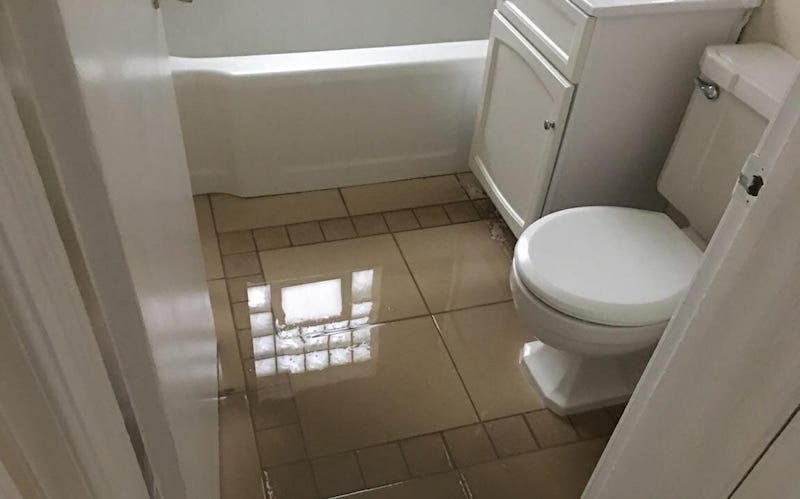

A bathroom caulking leak can be a nuisance for homeowners and an issue that needs immediate attention to prevent further damage. In this article, we will explore the causes, prevention, and solutions for bathroom caulking leaks. Whether you’re an industrial engineer or a DIY enthusiast, understanding these elements is crucial for maintaining a well-functioning bathroom.
What is Bathroom Caulking?
Caulking is a material used to seal joints or seams against leakage in various structures and piping. In bathrooms, caulking is commonly applied around the bathtub, shower, sink, and other fixtures. It prevents water from seeping into areas where it shouldn’t, potentially causing significant damage over time.
Common Causes of a Bathroom Caulking Leak
1. Poor Application
If caulking is not applied correctly, it can lead to gaps or cracks that allow water to seep through. This can be due to using the wrong type of caulk or not preparing the surface properly before application.
2. Age and Wear
Over time, caulking can deteriorate due to constant exposure to water, cleaning chemicals, and temperature changes. This natural wear and tear can cause the caulk to crack or pull away from the surfaces it’s meant to seal.
3. Mold and Mildew
Mold and mildew growth can compromise the integrity of caulking. These fungi thrive in moist environments and can cause the caulk to break down, leading to leaks.
Preventing a Bathroom Caulking Leak
1. Regular Inspection
Regularly inspecting your bathroom caulking for signs of wear or damage can help you catch potential leaks early. Look for cracks, gaps, or mold growth along the caulked areas.
2. Proper Ventilation
Ensure that your bathroom is well-ventilated to prevent excess moisture build-up. Use exhaust fans or open windows during and after showers to reduce humidity levels.
3. Use High-Quality Caulk
Invest in high-quality, waterproof caulk specifically designed for bathroom use. This will ensure a durable seal that can withstand the moist environment.
Solutions for Fixing a Bathroom Caulking Leak
1. Remove Old Caulk
Before applying new caulk, it’s essential to remove the old, damaged caulk completely. Use a utility knife or a caulk remover tool to carefully scrape away the old material.
2. Clean the Surface
Thoroughly clean the area to remove any mold, mildew, or residue. A clean surface ensures better adhesion for the new caulk.
3. Apply New Caulk
Once the surface is clean and dry, apply new caulk using a caulking gun. Smooth it out with a caulking tool or your finger for a neat finish. Allow it to cure as per the manufacturer’s instructions.
When to Call a Professional
If you’re unsure about handling the leak yourself or if the damage seems extensive, it might be best to call a professional. They can assess the situation and provide a long-term solution.
Conclusion
A bathroom caulking leak may seem like a minor issue, but it can lead to significant problems if left unaddressed. Regular maintenance and timely repairs are key to preventing leaks. By understanding the causes and solutions, you can ensure your bathroom remains in top condition.
Related Resources
For more detailed guidance on fixing bathroom leaks, you can visit how to detect a bathroom leak. Additionally, for more insights into bathroom maintenance, check out fix a bathroom leak or explore solutions for leaking bathroom tiles.
FAQ Section
1. How often should bathroom caulking be replaced?
It’s generally recommended to replace bathroom caulking every five years, or sooner if you notice signs of wear such as cracking or mold growth.
2. Can I use any type of caulk in the bathroom?
No, it’s important to use a caulk specifically designed for bathrooms. Look for waterproof and mold-resistant options for the best results.
3. Why does my bathroom caulking keep cracking?
Cracking can result from poor application, using the wrong type of caulk, or the natural expansion and contraction of surfaces due to temperature changes. Ensure proper application and use high-quality caulk to minimize this issue.
This article contains affiliate links. We may earn a commission at no extra cost to you.