Ensuring your bathroom is well protected from water damage is crucial for maintaining its integrity. Bathroom waterproofing tips are essential for preventing leaks, mold, and structural damage. In this article, we’ll explore the best practices for keeping your bathroom dry and secure.
Understanding the Importance of Waterproofing
Waterproofing is vital because it prevents water from seeping into areas where it can cause damage. It not only protects your bathroom but also enhances its longevity.
Why Waterproofing is Necessary
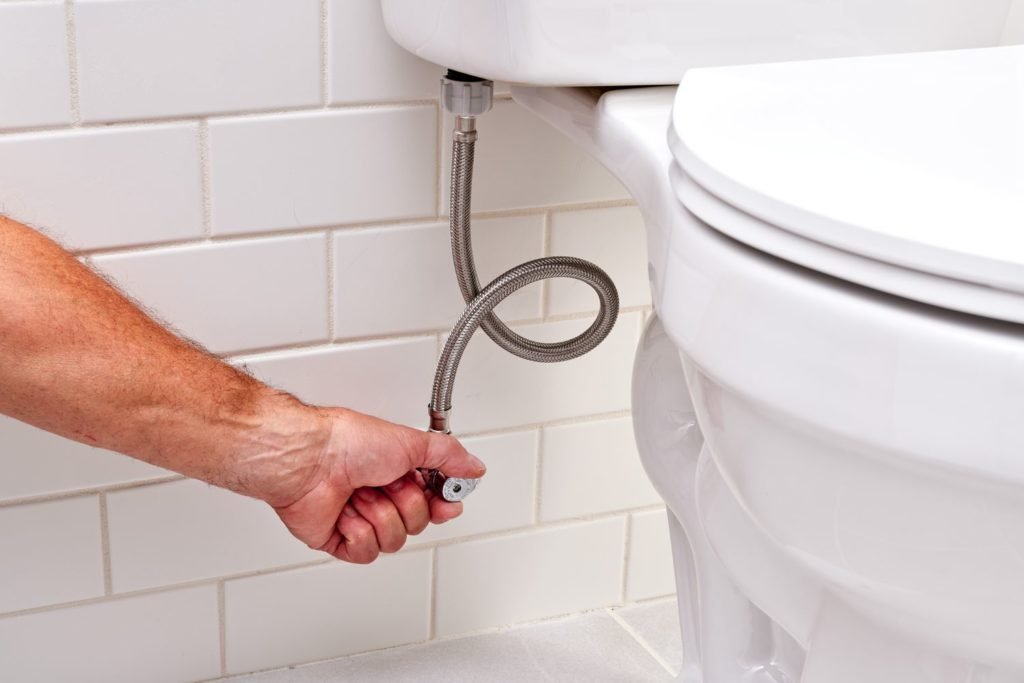
Bathrooms are exposed to water daily, making them susceptible to leaks. Waterproofing ensures that water doesnt penetrate walls or floors, which can lead to mold growth and structural issues. For more on addressing bathroom leaks, check out bathroom leak solutions.
The Consequences of Poor Waterproofing
Poor waterproofing can lead to costly repairs and health hazards. It’s crucial to address any issues promptly to prevent further damage. For tips on fixing bathroom leaks, visit fix bathroom leak.
Key Areas to Waterproof in Your Bathroom
When waterproofing a bathroom, focus on areas most exposed to water.
Waterproofing the Shower Area
The shower area is prone to water exposure. Use quality sealants and ensure proper drainage to prevent water accumulation. Explore how to find leaks for more insights.
Waterproofing Bathroom Floors
Floors should be sealed with waterproof membranes to prevent water from seeping through. This is especially important for tile floors, which can crack and allow water ingress.
Protecting Bathroom Walls
Walls should be treated with waterproof paint or panels. Ensure that any joints or seams are sealed properly to prevent leaks. For tips on dealing with wall leaks, check behind wall leaks.
Choosing the Right Waterproofing Materials
Selecting the right materials is key to effective waterproofing.
Types of Waterproofing Membranes
There are various types of membranes, including liquid membranes, sheet membranes, and cementitious waterproofing. Each has its benefits and is suitable for different applications.
Sealants and Their Uses
Sealants are used to fill gaps and joints. Silicone and polyurethane sealants are popular choices for their durability and flexibility.
Waterproof Paints and Coatings
Waterproof paints and coatings add an extra layer of protection to walls and floors. They are easy to apply and come in a variety of finishes to suit your aesthetic preferences.
Steps to Waterproof Your Bathroom
Follow a systematic approach to ensure thorough waterproofing.
Preparing the Surface
Clean and dry surfaces before applying any waterproofing materials. This ensures better adhesion and effectiveness.
Applying Waterproof Membranes
Apply membranes to all critical areas, such as shower floors and walls. Ensure there are no gaps or overlaps.
Sealing Joints and Corners
Use sealants to secure joints and corners. These areas are prone to leaks and require extra attention.
Maintaining Your Waterproofed Bathroom
Regular maintenance is key to preserving the waterproofing of your bathroom.
Regular Inspections
Conduct regular inspections to identify any signs of leaks or damage. Early detection can save you from expensive repairs.
Repairing Minor Damages
Address minor damages immediately to prevent them from escalating. This includes resealing joints and touching up any worn areas.
FAQ
How often should I inspect my bathroom for leaks?
It’s advisable to inspect your bathroom every six months to catch any potential issues early.
Can I waterproof my bathroom myself?
While DIY waterproofing is possible, its best to hire a professional for optimal results, especially for extensive work.
What are the signs of a leaking bathroom?
Look for discoloration, mold growth, or musty odors. These are indicative of water penetration. For more details on silent leaks, visit hidden water leaks.
This article contains affiliate links. We may earn a commission at no extra cost to you.