When an emergency bathroom leak occurs, it can be both alarming and inconvenient. Understanding how to quickly identify and fix the problem can save time, money, and prevent extensive damage. In this article, we will explore the causes of bathroom leaks, how to spot them, and effective solutions to tackle them head-on.
Understanding the Causes of Bathroom Leaks
Common Sources of Leaks
Bathroom leaks can originate from various sources. Common places include faucets, toilets, and showerheads, where the seals and connections might wear out over time. In some cases, the issue might be hidden, like a leak behind the wall, which requires a more thorough investigation.
Impact of Poor Installation
Poor installation of plumbing fixtures can lead to frequent leaks. This is particularly true when seals aren’t properly tightened or when pipes are not adequately aligned. It’s crucial to ensure that all installations are done by professionals to avoid future problems.
Identifying an Emergency Bathroom Leak
Visible Signs of Leaks
Visible signs of an emergency bathroom leak include water pooling on the floor, dripping sounds, or water stains on walls and ceilings. If you notice any of these signs, it’s important to act quickly.
Hidden Leak Indicators
Not all leaks are visible. Hidden leaks might manifest as an unexplained increase in your water bill or the presence of mold and mildew. For more information on detecting hidden leaks, visit this comprehensive guide.
Steps to Fix a Bathroom Leak
Gathering the Right Tools
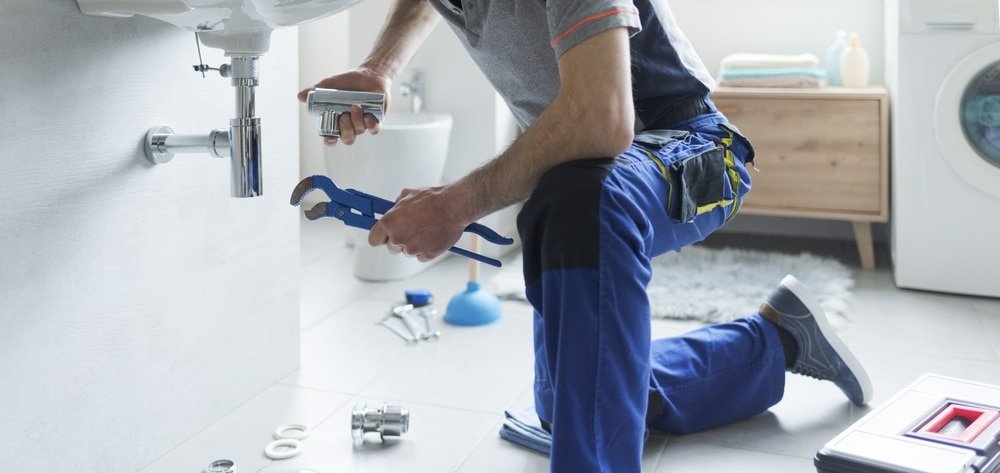
Before attempting any repairs, ensure you have the right tools on hand. Basic tools include a wrench, screwdriver, sealant, and plumber’s tape. These will help you address most minor leaks.
Fixing Faucet Leaks
For faucet leaks, start by shutting off the water supply. Then, disassemble the faucet to check for worn-out washers and seals, replacing them as necessary. For detailed steps on fixing a faucet, check out our fix leak guide.
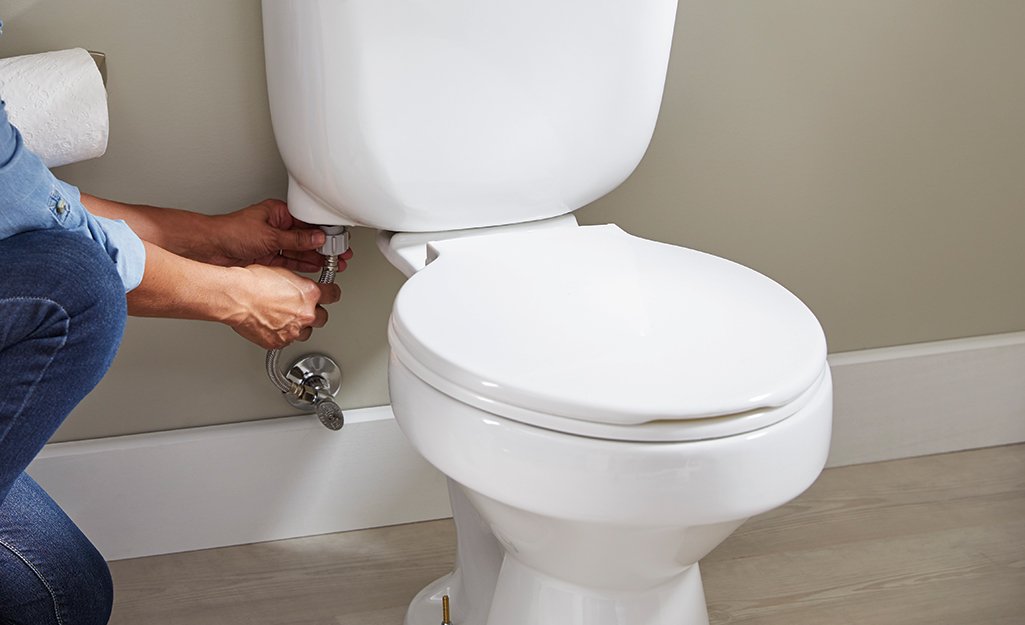
Repairing Toilet Leaks
Toilet leaks often stem from faulty flappers or fill valves. Inspect these parts and replace them if needed. Ensure all connections are tight to prevent future leaks.
Addressing Shower and Bathtub Leaks
Leaks in showers and bathtubs might require resealing of joints or replacing broken tiles. If the issue persists, it might be necessary to inspect the plumbing behind the walls.
Preventing Future Bathroom Leaks
Regular Maintenance Tips
Regular maintenance can help prevent leaks. Check seals and pipes regularly for signs of wear. If you find any problems, address them promptly to avoid escalation.
Investing in Quality Fixtures
Investing in high-quality plumbing fixtures can reduce the likelihood of leaks. Choose products from reputable brands and ensure they are installed by professionals.
Dealing with Mold from Bathroom Leaks
Mold can be a common consequence of leaks. It’s important to address mold issues quickly as they pose health risks. Learn more about handling mold issues in our dedicated mold guide.
Understanding Smart Plumbing Systems
Smart plumbing systems can alert you to leaks early, preventing significant damage. However, be wary of myths surrounding smart plumbing features. For more insights, refer to our article on smart myths.
Conclusion
Dealing with an emergency bathroom leak can be stressful, but with the right knowledge and tools, you can address the issue effectively. Regular maintenance and early detection are key to preventing severe damage. Remember, when in doubt, it’s always best to consult with a professional plumber to ensure the safety and integrity of your bathroom plumbing.
FAQs
What should I do first when I notice a bathroom leak?
First, turn off the water supply to prevent further damage. Then, try to identify the source of the leak and assess whether you can fix it yourself or need professional help.
Can I use DIY methods to fix all types of bathroom leaks?
While minor leaks can often be fixed with DIY methods, it’s recommended to consult a professional for complex issues, especially those involving hidden plumbing.
How can I prevent bathroom leaks?
Regular maintenance, using quality fixtures, and addressing issues immediately can help prevent leaks. Consider investing in smart plumbing systems for early detection.
This article contains affiliate links. We may earn a commission at no extra cost to you.