Bathrooms are essential parts of our homes, but they come with their own set of challenges. One of the most prevalent problems encountered by homeowners is common bathroom leak issues. Addressing these problems early can prevent significant damage and costly repairs. In this article, we will explore the most frequent causes of leaks in your bathroom and provide solutions to address them.
1. Understanding the Common Bathroom Leak Issues
Bathroom leaks can stem from a variety of sources. It is crucial to understand these common issues to take timely action. Let’s look at some of the primary causes of leaks in your bathroom.
1.1 Leaky Faucets
A leaky faucet is a typical issue that most homeowners face. It not only wastes water but also increases your water bill. The constant drip, drip, drip can be annoying, and over time, it can lead to bigger problems.
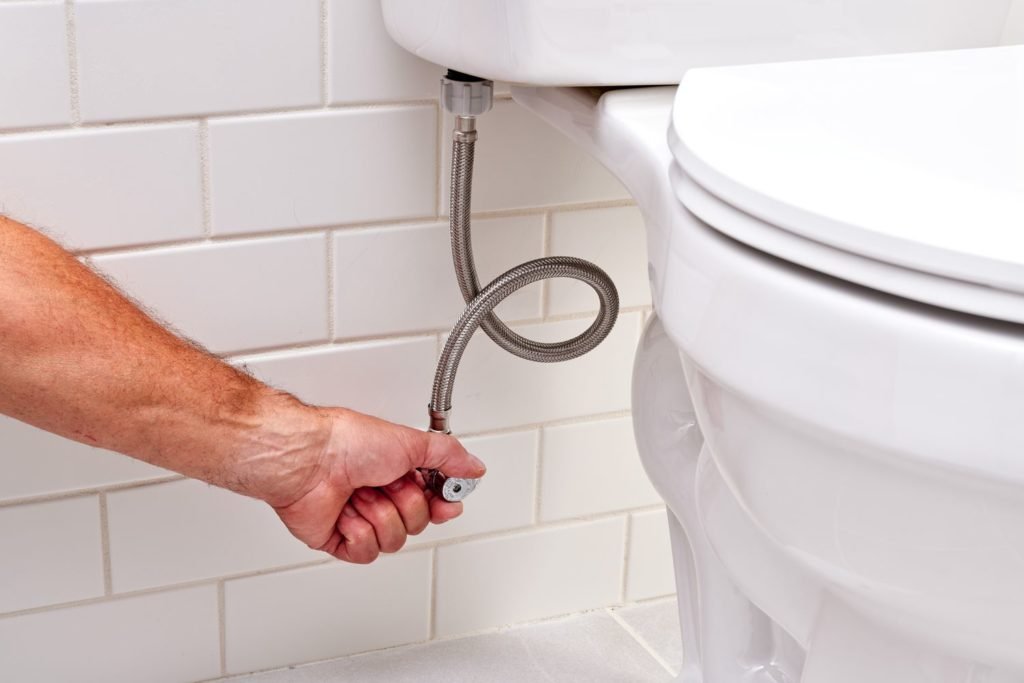
1.2 Toilet Leaks
The toilet is another common source of leaks. Sometimes, the problem lies in the toilet bowl, while at other times, it may be due to faulty seals or a broken flush valve.
1.3 Showerhead Leaks
Showerheads can leak due to worn-out washers or seals. Over time, these leaks can lead to water staining and damage to the bathroom walls and floors.
2. Identifying Bathroom Leak Sources
Identifying the source of a leak is the first step in fixing it. Here are some methods to help you determine where the leak is coming from.
2.1 Visual Inspection
Conducting a thorough visual inspection can help you spot leaks. Look for water stains, mold, or any unusual dampness around bathroom fixtures.
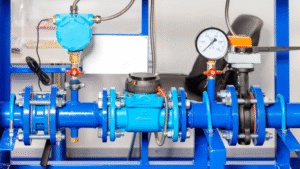
2.2 Water Meter Test
To detect hidden leaks, use your water meter. Turn off all taps and check the meter. If it continues to run, you might have a leak somewhere in the bathroom.
3. Fixing Common Bathroom Leak Issues
Once you have identified the source of a leak, the next step is to fix it. Here are some common solutions for bathroom leaks.
3.1 Repairing Leaky Faucets
To repair a leaky faucet, you may need to replace the washer or the entire faucet. Its a straightforward process that can save you money and prevent further water wastage.
3.2 Fixing Toilet Leaks
For toilet leaks, check the flush valve and seals. Replacing these parts can often resolve the problem and prevent water from continually running into the bowl.
3.3 Sealing Showerhead Leaks
If your showerhead is leaking, replacing washers or applying new sealant can often fix the problem. Ensure the showerhead is tightly secured to avoid future leaks.
4. Preventing Future Bathroom Leak Issues
Prevention is better than cure. Regular maintenance and inspections can help prevent bathroom leaks from occurring in the first place.
4.1 Regular Maintenance
Regularly inspect bathroom fixtures for signs of wear and tear. Tighten loose parts and replace any damaged components promptly.
4.2 Upgrading Fixtures
Consider upgrading to modern, water-efficient fixtures. Not only can this prevent leaks, but it can also reduce water consumption and lower your bills.
For more tips on maintaining your bathroom, you can visit Modernize.
5. The Impact of Bathroom Leaks
Bathroom leaks can have significant impacts on your home and finances. Understanding these impacts can motivate you to address leaks promptly.
5.1 Water Damage
Leaks can cause severe water damage, leading to mold growth and structural issues. Addressing leaks early can prevent such damage.
5.2 Increased Water Bills
Leaky fixtures can significantly increase your water bills. Fixing leaks can save you a considerable amount of money over time.
5.3 Environmental Impact
Leaks contribute to water wastage, which is harmful to the environment. By fixing leaks, you can contribute to water conservation efforts.
6. Conclusion
Addressing common bathroom leak issues promptly is crucial for maintaining a healthy and efficient home. Regular inspections, timely repairs, and preventive measures can save you from costly repairs and water wastage. For more detailed guidance on fixing bathroom leaks, you can explore resources on bathroom leak or fixing a bathroom leak on Valvex.
FAQs
Why is my faucet leaking?
A leaky faucet is often caused by worn-out washers or seals within the faucet. Replacing these components can usually resolve the issue.
How can I detect hidden leaks?
To detect hidden leaks, monitor your water meter. If it shows usage even when all taps are off, you likely have a hidden leak.
What should I do if I find mold from a bathroom leak?
If you find mold due to a bathroom leak, clean it immediately and fix the source of the leak. Mold can cause health issues and should be addressed promptly. For more information, visit mold from bathroom leak.
This article contains affiliate links. We may earn a commission at no extra cost to you.