The need for a reliable bathroom leakage solution is crucial in maintaining the integrity of any home. Leakage can lead to significant damage, escalating repair costs, and unhealthy living conditions. Industrial engineers, homeowners, and property managers must be proactive in identifying and fixing leaks promptly.
In this article, we will delve into practical strategies and solutions to address bathroom leakage effectively. By understanding the causes, identifying signs, and implementing the right fixes, you can safeguard your bathroom from potential water damage.
Identifying the Causes of Bathroom Leakage
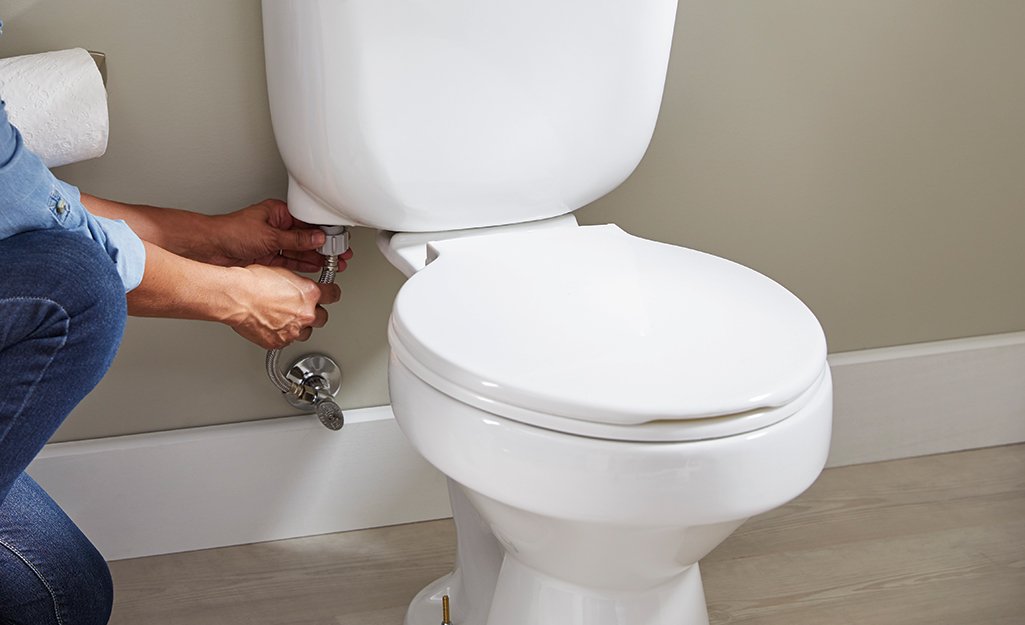
Understanding the root causes of leakage is the first step in finding a suitable bathroom leakage solution. Common causes include faulty plumbing, worn-out seals, and excessive moisture buildup.
Faulty Plumbing
Faulty plumbing is a primary cause of bathroom leaks. This can be due to poor installation, aging pipes, or corrosion. Regular inspections can help identify potential issues before they become major problems.
Worn-out Seals
Seals around fixtures such as toilets, sinks, and bathtubs can degrade over time. These need to be checked periodically and replaced as needed to prevent leaks.
Excessive Moisture Buildup
Bathrooms are prone to moisture, but excessive buildup can lead to mold and mildew, which can compromise the structural integrity of your bathroom. Ensuring proper ventilation and regular cleaning can mitigate this risk.
Signs of Bathroom Leakage
Early detection of leaks can prevent extensive damage. Look out for these common signs:
Water Stains and Discoloration
Water stains on walls and ceilings, as well as discoloration, are indicators of a leak. If you notice these signs, investigate further to pinpoint the source.
Mold and Mildew
Mold and mildew thrive in moist environments. If you spot these in your bathroom, it could signify a hidden leak. Learn more about how to address mold issues.
Unexplained Water Bills
A sudden spike in your water bill could suggest a hidden leak. Monitoring your water usage can help in detecting these issues early.
Effective Bathroom Leakage Solutions
Once you have identified a leak, it is essential to act quickly. Here are some effective solutions:
Regular Maintenance and Inspection
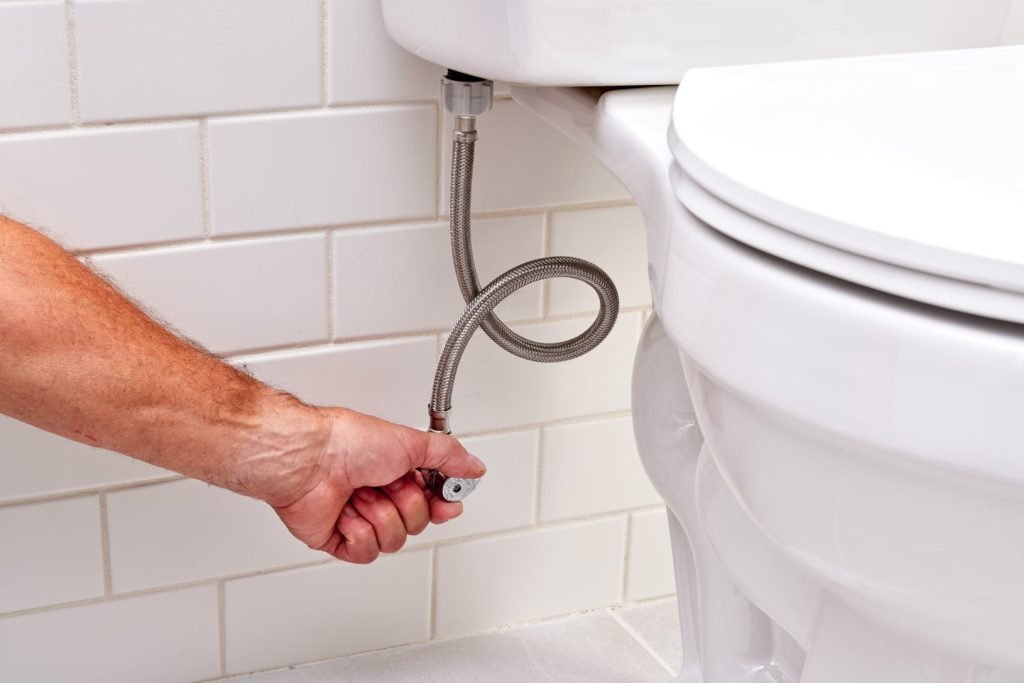
Conduct regular maintenance checks to ensure all fixtures are in good condition. This includes tightening loose fittings and replacing worn-out parts.
Use of Quality Materials
Investing in high-quality plumbing materials and fixtures can prevent future leaks. Quality materials are more durable and can withstand the test of time.
Sealant Application
Applying a waterproof sealant around joints and fixtures can provide an additional layer of protection against leaks. This is especially important in areas with high water exposure.
Choosing the Right Professional Help
Sometimes, leaks require professional intervention. Knowing when to call in a plumber can save you time and money in the long run.
When to Call a Plumber
If you are unable to locate the source of a leak or if the damage is extensive, it is best to consult a professional plumber. They have the tools and expertise to handle complex issues.
How to Choose a Reliable Plumber
When selecting a plumber, consider their experience, reputation, and customer reviews. A reliable plumber will provide quality service and peace of mind.
Preventive Measures to Avoid Future Leaks
Prevention is always better than cure. Implementing preventive measures can help avoid future leaks.
Install Water-Saving Devices
Water-saving devices not only conserve water but also reduce the pressure on your plumbing system. This can prevent leaks and extend the lifespan of your fixtures.
Regular Cleaning and Maintenance
Keep your bathroom clean and well-maintained. Regular cleaning prevents mold buildup and ensures all fixtures function correctly.
FAQs
How can I detect hidden leaks in my bathroom?
Look for signs such as water stains, mold, and increased water bills. For a thorough inspection, consider hiring a professional plumber.
What should I do if I find a leak?
Address it immediately to prevent further damage. If you’re unable to fix it yourself, contact a professional plumber for assistance.
How often should I inspect my bathroom for leaks?
Conduct inspections at least twice a year to identify and address potential issues early.
For more tips on preventing and fixing leaks, visit the EPA’s website.
This article contains affiliate links. We may earn a commission at no extra cost to you.