When it comes to maintaining a home, one of the most common issues that homeowners face is bathroom leaks. These leaks can be both frustrating and costly if not addressed promptly. Understanding the causes of bathroom leaks is crucial to prevent damage and ensure the longevity of your homes plumbing system. In this article, we will explore various sources of bathroom leaks, their impact, and how to address them effectively. Lets dive in and discover what might be causing those pesky leaks in your bathroom.
1. Common Causes of Bathroom Leaks
Bathroom leaks can originate from multiple sources. Identifying the exact cause is the first step towards fixing the problem. Here are some common causes:
Leaky Faucets
One of the most apparent signs of a bathroom leak is a dripping faucet. Over time, the washers in your faucet can wear out, allowing water to seep through.
Damaged Showerheads
A worn-out or damaged showerhead can result in leaks. Mineral buildup can also obstruct water flow, causing leaks to occur.
Toilet Issues
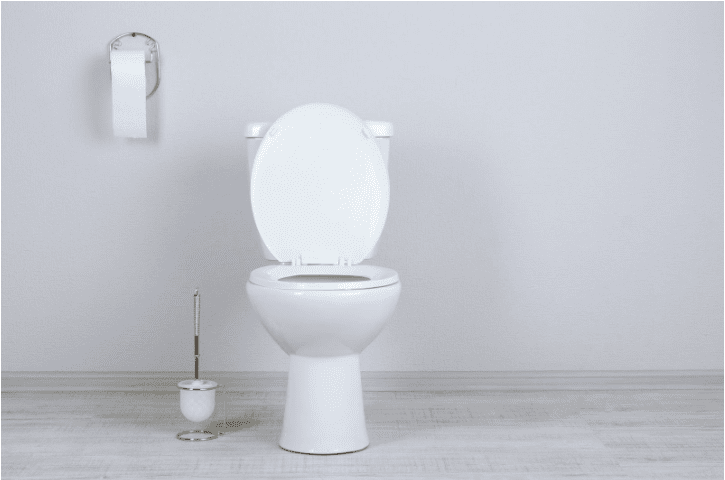
Toilets are another common source of leaks. Problems such as a faulty flapper valve or a worn-out seal can cause water to leak from the toilet tank into the bowl or onto the floor.
2. Identifying Hidden Leaks
Sometimes, leaks are not immediately visible. Hidden leaks can cause significant damage over time and may go unnoticed until its too late. Here are some signs of hidden leaks:
Water Stains
Look for water stains on the ceiling below the bathroom or on the walls. These are indicators of a potential leak.
Mold and Mildew
The presence of mold and mildew in your bathroom can be a sign of a hidden leak. These fungi thrive in damp environments, indicating excess moisture.
Increased Water Bills
If you notice a sudden spike in your water bill, it could be due to an undetected leak wasting water.
3. Impact of Bathroom Leaks
The effects of bathroom leaks can extend beyond just water wastage. Here are some potential impacts:
Structural Damage
Continuous exposure to water can weaken your homes structure. It can lead to rotting wood, damaged ceilings, and compromised foundations.
Health Risks
Leaks can create a breeding ground for mold and mildew, which can pose health risks, especially for individuals with allergies or respiratory issues.
Financial Costs
Ignoring leaks can lead to costly repairs. Addressing leaks promptly can save you money in the long run.
4. Preventing Bathroom Leaks
Prevention is always better than cure. Here are some tips to prevent leaks in your bathroom:
Regular Maintenance
Perform regular checks on your plumbing system. Look for any signs of wear and tear and address them immediately.
Install Quality Fixtures
Invest in high-quality fixtures and fittings that are less likely to develop leaks.
Monitor Water Pressure
Ensure that your homes water pressure is not too high, as this can lead to leaks over time.
5. Fixing Bathroom Leaks
Once you have identified the sources of leaks, its important to address them promptly. Heres how you can fix common bathroom leaks:
Faucet Repair
Replace worn-out washers and seals to stop a leaky faucet. Tighten any loose parts to ensure a proper fit.
Showerhead Replacement
If your showerhead is leaking, consider replacing it with a new one. Clean any mineral buildup to ensure proper water flow.
Toilet Leak Fix
Replace faulty flapper valves and seals to prevent toilet leaks. Ensure the water level in the tank is set correctly.
6. When to Call a Professional
While some leaks can be fixed with DIY methods, others may require professional assistance. Heres when you should consider calling a plumber:
Complex Issues
If youre unable to identify the source of a leak or if it involves complicated plumbing systems, seek professional help.
Recurrent Leaks
If leaks keep recurring despite your efforts, its best to consult a plumber to ensure a thorough resolution.
7. The Role of Smart Plumbing
With advancements in technology, smart plumbing solutions are becoming popular for preventing leaks. Learn more about how these solutions can help in this insightful article on smart home plumbing.
Smart Leak Detectors
Install smart leak detectors that alert you to any leaks in real-time, helping you address issues promptly.
Automated Water Shutoff
Consider installing automated shutoff valves that cut off water supply in case of a detected leak, preventing further damage.
8. Final Thoughts
Understanding the causes of bathroom leaks is essential for every homeowner. By identifying and addressing leaks promptly, you can prevent potential damage and save money in the long run. Regular maintenance, quality fixtures, and embracing smart plumbing solutions are key to maintaining a leak-free bathroom.
FAQs
How do I find a hidden bathroom leak?
Look for signs like water stains, mold, and increased water bills. For more detailed guidance, explore this resource.
Can I fix bathroom leaks myself?
Yes, minor leaks like a dripping faucet or a loose showerhead can be fixed with basic tools. However, for complex issues, consider hiring a professional.
What are the long-term effects of ignoring bathroom leaks?
Ignoring leaks can lead to structural damage, health risks from mold, and increased financial costs due to extensive repairs. For more tips on addressing bathroom leaks, visit this useful guide.
This article contains affiliate links. We may earn a commission at no extra cost to you.